
Getting Around Rwanda: Your Guide to Local Transportation
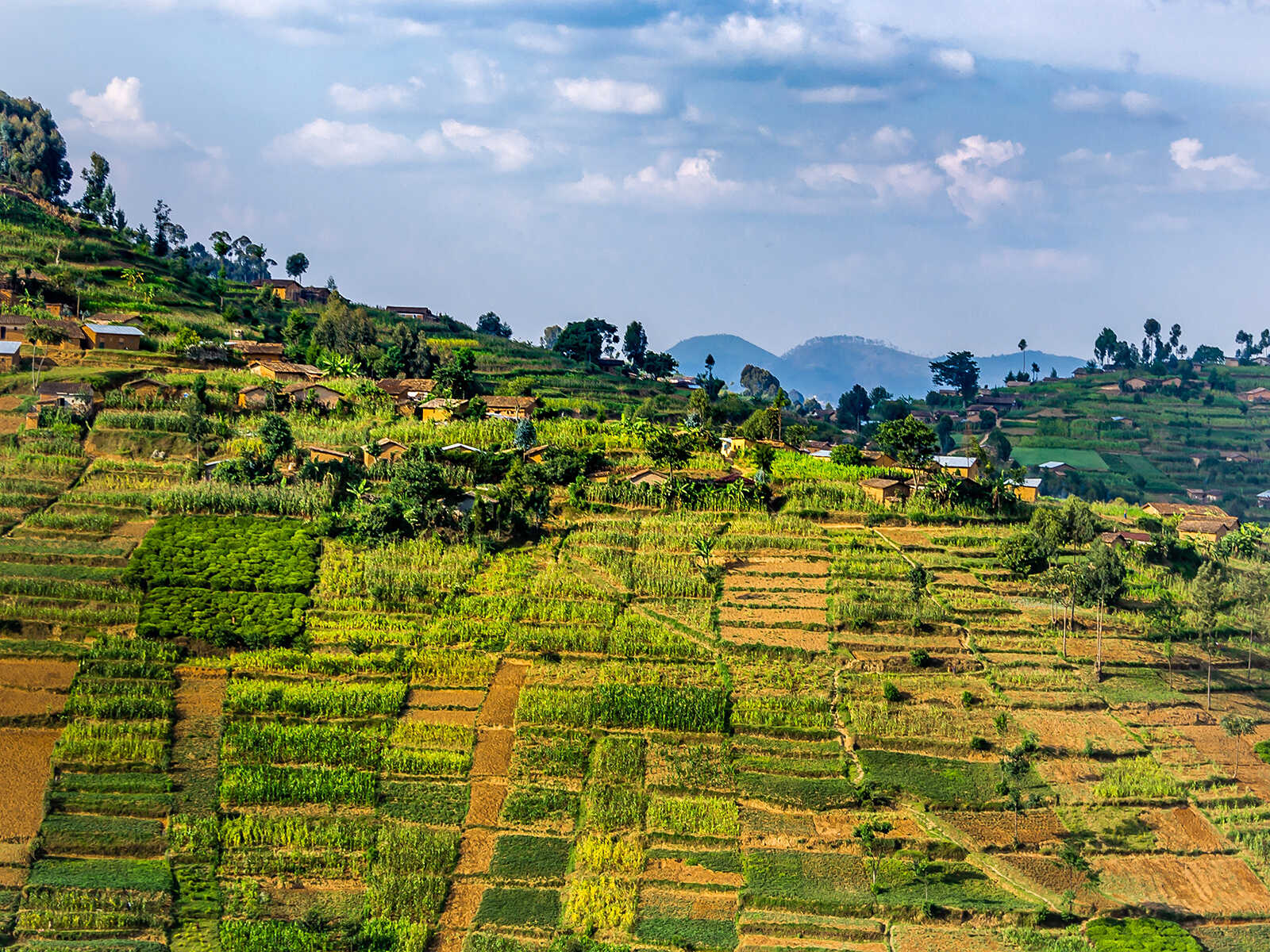
Rwanda, the Land of a Thousand Hills, offers a captivating travel experience, and understanding its local transportation options is key to a smooth and enriching journey. From bustling city streets to serene national parks, a variety of transport methods are available, catering to different budgets and travel styles.
Navigating Rwanda is generally straightforward, thanks to its well-maintained road network and a range of choices for getting from point A to point B. Whether you prefer the flexibility of a private vehicle or the immersive experience of local public transport, this guide will help you plan your movements across this beautiful East African nation.
Exploring Your Options: Major Transportation Modes
Private Car Rental and Drivers
For ultimate flexibility and comfort, especially when exploring multiple regions or heading to national parks, hiring a private car with a driver is an excellent choice. This option provides peace of mind, as local drivers are familiar with the roads, customs, and optimal routes. Many tour operators offer packages that include a vehicle and driver, which can be particularly convenient for multi-day itineraries.
Self-driving is also an option for experienced drivers comfortable with navigating new territories. Cars can be rented from various agencies in Kigali, often including 4x4 vehicles suitable for more rugged terrain, particularly useful when venturing towards destinations like Volcanoes National Park or Akagera National Park. Remember that driving is on the right-hand side of the road in Rwanda.
Motorbike Taxis (Motos)
Motorbike taxis, affectionately known as "motos," are the most ubiquitous and often the quickest way to get around cities and towns, particularly in Kigali. They are readily available on nearly every street corner and offer an exciting, albeit sometimes exhilarating, way to experience local life.
Riding a moto is incredibly efficient for short distances, weaving through traffic and reaching destinations swiftly. Passengers are provided with a helmet, which is mandatory by law. While motos are convenient, it's essential to agree on a fare before starting your journey. They are generally considered safe, but always choose drivers who appear cautious and have well-maintained bikes.
Public Buses and Coaches
For intercity travel and reaching more remote areas, Rwanda boasts an extensive and efficient public bus network. Several reputable companies operate comfortable coaches that connect Kigali with major towns and cities across the country, including Musanze (for Volcanoes National Park), Rubavu (for Lake Kivu), and Rusizi (for Nyungwe Forest National Park).
Buses are a very affordable way to travel and provide an authentic glimpse into Rwandan daily life. Most services are reliable and punctual, with frequent departures throughout the day. For longer journeys, it's advisable to book your ticket in advance, especially during peak travel seasons.
Travel Tip:When traveling by public bus, try to get a window seat to enjoy Rwanda's stunning, ever-changing landscapes, from rolling hills to vast tea plantations.
Local Taxis and Ride-Hailing Apps
Traditional car taxis are available in Kigali and other larger towns, offering a more private and comfortable alternative to motos for urban travel. They can be found at designated stands or hailed on the street. As with motos, it's customary to negotiate the fare before you begin your journey.
In Kigali, ride-hailing apps have also gained popularity. Services like Yego Cabs and Move Rwanda allow you to book a car or moto directly from your smartphone, often with transparent pricing, adding a layer of convenience and safety.
Cycling and Walking
For shorter distances and exploring specific neighborhoods or scenic routes, cycling and walking are excellent options. Many towns are compact enough to explore on foot, allowing you to immerse yourself in the local atmosphere. Kigali, known for its cleanliness and safety, is particularly pleasant for walking in many areas.
Cycling is also a growing activity, with various tour operators offering bicycle tours, especially around Lake Kivu, which boasts beautiful scenic routes. For the adventurous, some national parks and rural areas offer opportunities for mountain biking.
Boat Transportation
While not a primary mode of intercity travel, boats offer unique transport experiences, especially on Lake Kivu. Ferries and private boats connect towns along the lake's shores, such as Rubavu, Karongi, and Rusizi. This can be a picturesque and relaxing way to travel between these lakeside communities, offering stunning views of the surrounding hills and islands.
For specific park activities, such as boat safaris in Akagera National Park on Lake Ihema, boat transport is arranged directly by the park or tour operators.
Getting to Rwanda's Premier Destinations
Reaching National Parks
Accessing Rwanda's renowned national parks often requires specific planning due to their more remote locations:
- Volcanoes National Park:The gateway to gorilla trekking and hiking Mount Karisimbi. The most common way to get here is by private car or organized tour from Kigali, a journey of about 2-3 hours to Kinigi, the park headquarters. Public buses also run from Kigali to Musanze, from where you can take a moto or taxi to Kinigi.
- Akagera National Park:Located in eastern Rwanda, this park is best accessed by a private vehicle or an organized tour. The drive from Kigali takes approximately 2.5-3 hours. While public transport can get you to nearby towns, a dedicated vehicle is essential for exploring within the park.
- Nyungwe Forest National Park:In the southwest, Nyungwe is known for its chimpanzee trekking and canopy walk. It's a longer drive from Kigali, around 5-6 hours. Private hire or an organized tour is highly recommended. Public buses do travel this route, but you'd need to arrange onward transport from the main road to the park reception.
General Travel Tips for Local Transportation
- Plan Ahead:Especially for intercity travel or visits to national parks, it's wise to plan your transport in advance, particularly during peak seasons.
- Bargain Respectfully:For motos and traditional taxis, negotiation is common. Always agree on a fare before starting your journey. Be firm but polite.
- Safety First:When using motos, always wear the provided helmet. For all modes of transport, ensure the vehicle appears well-maintained.
- Cash is King:While some larger establishments accept cards, cash (Rwandan Francs) is essential for most local transport, especially motos and small buses.
- Learn Basic Kinyarwanda Phrases:A few simple phrases like "Muraho" (hello), "Amakuru" (how are you?), "Murakoze" (thank you), and asking for directions can greatly enhance your interactions and make navigating easier.
- Be Patient:While generally efficient, schedules can sometimes be flexible. Embrace the journey and enjoy the scenery.
Conclusion
Rwanda's transportation network is well-developed, offering a variety of choices to suit every traveler's needs. Whether you opt for the convenience of a private driver, the thrill of a moto, or the immersive experience of a public bus, getting around Rwanda is an integral part of discovering its natural beauty and vibrant culture. With a little planning and an open mind, you'll find navigating this captivating country to be a rewarding adventure.