
Essential Kinyarwanda Phrases for Tourists: Speak Like a Local
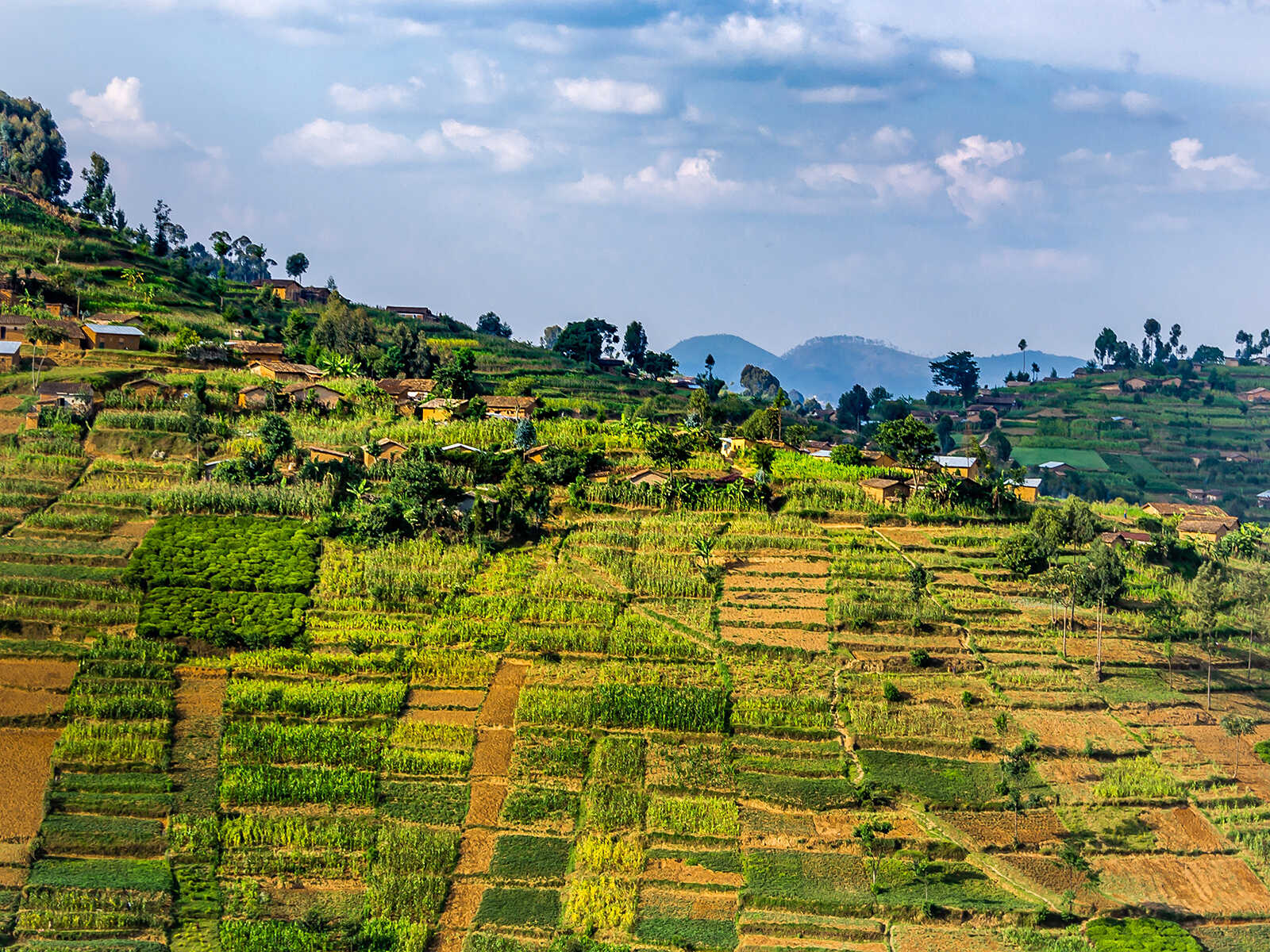
Rwanda, the Land of a Thousand Hills, captivates visitors with its breathtaking landscapes, vibrant culture, and remarkable conservation efforts. While English and French are widely spoken, learning a few essential Kinyarwanda phrases will profoundly enrich your travel experience, fostering deeper connections with the warm and welcoming Rwandan people.
Why Learn Kinyarwanda?
Speaking even a little Kinyarwanda goes a long way in Rwanda. It demonstrates respect for the local culture and opens doors to more authentic interactions, transforming a simple transaction into a memorable exchange. Rwandans are incredibly appreciative when visitors make an effort to speak their language, often responding with genuine smiles and eagerness to help.
While English and French are official languages and commonly used in tourist areas, government offices, and larger cities like Kigali, Kinyarwanda is the unifying national language spoken by everyone across the country. Embracing it, even in small ways, allows you to transcend the typical tourist experience and truly immerse yourself in the heart of Rwandan life.
Basic Greetings and Introductions
Starting with greetings is the easiest and most impactful way to begin your Kinyarwanda journey. Politeness is highly valued in Rwandan culture.
Hello & Goodbye
- Muraho(Moo-rah-ho): A general, polite "Hello" used at any time of day.
- Mwaramutse(Mwah-rah-moo-tseh): Good morning.
- Mwiriwe(Mwee-ree-weh): Good afternoon/evening.
- Murabeho(Moo-rah-beh-ho): Goodbye (to multiple people).
- Ndagira ngo nkwifurize umunsi mwiza(Nda-gee-ra ngo nkwee-foo-ree-zeh oo-moon-see mwee-za): Have a good day.
Politeness & Respect
These phrases are crucial for showing courtesy and respect.
- Murakoze(Moo-rah-koh-zeh): Thank you (to multiple people or as a general polite form).
- Urakoze(Oo-rah-koh-zeh): Thank you (to one person, less formal).
- Mwarakoze cyane(Mwah-rah-koh-zeh chyah-neh): Thank you very much.
- Ndashimye(Nda-shee-myeh): I appreciate it / I'm grateful.
- Ndagira ngo...(Nda-gee-ra ngo...): Please / Excuse me / I would like to... (a polite way to start a request).
- Yego(Yeh-go): Yes.
- Oya(Oh-yah): No.
- Mbwira(Mboo-ee-rah): Excuse me / Pardon me (to get attention).
- Mbabare(Mbah-bah-reh): I'm sorry.
Common Interactions
Engage in simple conversations with these phrases.
- Amakuru?(Ah-mah-koo-roo?): How are you? / What's the news? (A very common greeting).
- Ni meza(Nee meh-zah): I am good / It is good (response to Amakuru?).
- Umeze ute?(Oo-meh-zeh oo-teh?): How are you? (More direct, informal).
- Nimeze neza(Nee-meh-zeh neh-zah): I am fine (response to Umeze ute?).
- Amazina yawe ni ayahe?(Ah-mah-zee-nah yah-weh nee ah-yah-heh?): What is your name?
- Amazina yanjye ni [Your Name](Ah-mah-zee-nah yahn-jeh nee [Your Name]): My name is [Your Name].
- Uri umunyamahanga?(Oo-ree oo-moo-nyah-mah-hah-nga?): Are you a foreigner? (Often asked with curiosity).
Navigating and Getting Around
Exploring Rwanda is an adventure, whether you're trekking for gorillas in Volcanoes National Park or relaxing by Lake Kivu. These phrases will help you find your way.
Asking for Directions
- Aho [place] ni he?(Ah-hoh [place] nee heh?): Where is [place]? (e.g.,Aho Nyungwe Forest National Park ni he?)
- Ibumoso(Ee-boo-moh-soh): Left.
- Iburyo(Ee-boo-ryoh): Right.
- Imbere(Ee-mbeh-reh): Straight / Forward.
- Inyuma(Ee-nyoo-mah): Back / Behind.
- Hafi(Hah-fee): Near.
- Kure(Koo-reh): Far.
- Nyamuneka, mfasha(Nyah-moo-neh-kah, mfa-shah): Please help me.
Transportation
Rwanda's public transport, especially moto-taxis, is a ubiquitous part of life. Knowing these terms can make your journey smoother.
- Moto(Moh-toh): Motorcycle taxi (the most common form of transport).
- Taxi(Tahk-see): Car taxi.
- Bisi(Bee-see): Bus.
- Ndashaka kujya i [place](Nda-shah-kah koo-jyuh ee [place]): I want to go to [place]. (e.g.,Ndashaka kujya i Akagera National Park.)
- Ngiye ku [place](Ngee-yeh koo [place]): I'm going to [place]. (e.g.,Ngiye ku Mount Karisimbi.)
Dining and Shopping
From bustling markets to cozy cafes, these phrases will enhance your culinary and shopping experiences.
In Restaurants/Cafes
- Mfite inzara(Mfee-teh een-zah-rah): I'm hungry.
- Mfite inyota(Mfee-teh een-yoh-tah): I'm thirsty.
- Amazi(Ah-mah-zee): Water.
- Icyayi(Ee-chyah-yee): Tea.
- Kawa(Kah-wah): Coffee.
- Isukari(Ee-soo-kah-ree): Sugar.
- Ibiryo(Ee-bee-ryoh): Food.
- Umuceri(Oo-moo-cheh-ree): Rice.
- Inkoko(Een-koh-koh): Chicken.
- Inyama(Een-yah-mah): Meat.
- Imboga(Ee-mboh-gah): Vegetables.
- Umugati(Oo-moo-gah-tee): Bread.
- Mbese, mufite [item]?(Mbeh-seh, moo-fee-teh [item]?): Do you have [item]?
Shopping
Whether you're looking for souvenirs or fresh produce, these phrases are practical.
- Iki ni angahe?(Ee-kee nee ahn-gah-heh?): How much is this? (Essential for bargaining, which is common in markets).
- Ndashaka [item](Nda-shah-kah [item]): I want [item].
- Ndashaka kugura [item](Nda-shah-kah koo-goo-rah [item]): I want to buy [item].
- Mwarakoze cyane(Mwah-rah-koh-zeh chyah-neh): Thank you very much.
Handling Emergencies & Asking for Help
While Rwanda is generally safe, it's always wise to know how to ask for help in an emergency.
- Mbwira!(Mboo-ee-rah!): Help! (Used to get immediate attention).
- Ndagira ngo mumfashe(Nda-gee-ra ngo moo-mfa-sheh): Please help me.
- Mpamagare umuganga(Mpa-mah-gah-reh oo-moo-gah-nga): Call a doctor.
- Mpamagare polisi(Mpa-mah-gah-reh poh-lee-see): Call the police.
- Ndwaye(Ndwa-yeh): I am sick.
- Ubwogero(Oo-bwoh-geh-roh): Bathroom / Toilet.
- Nabuze(Nah-boo-zeh): I am lost.
Embracing Rwandan Culture: Beyond Phrases
Understanding a few cultural nuances can further enhance your interactions. For instance, the term"Muzungu"(plural"Bazungu") means foreigner or white person. While it might sound unusual, it's generally used as a descriptive term, not a derogatory one. Children often call out "Muzungu!" out of curiosity, not malice.
"Learning a few Kinyarwanda phrases isn't just about communication; it's about showing respect and opening doors to genuine connections with the warm-hearted Rwandan people. It's an investment in a richer, more authentic travel experience."
Rwandans are known for their hospitality and patience. A smile, a polite greeting, and an attempt at Kinyarwanda will always be met with kindness. Don't be afraid to make mistakes; the effort itself is what truly matters.
Practice Makes Perfect
The best way to learn these phrases is to use them! Practice with your driver, your hotel staff, market vendors, or locals you meet while exploring places like Lake Ihema. Many Rwandans are keen to help you practice and will appreciate your initiative.
Consider downloading a Kinyarwanda dictionary app or phrasebook before your trip. Even if you only master a handful of words, the impact on your journey will be immense. You'll find yourself engaging in more meaningful exchanges and gaining a deeper appreciation for this remarkable country.
Embark on your Rwandan adventure with confidence, knowing that a few simple Kinyarwanda phrases will unlock a world of genuine connection and unforgettable memories. Murakoze cyane and enjoy your journey!