
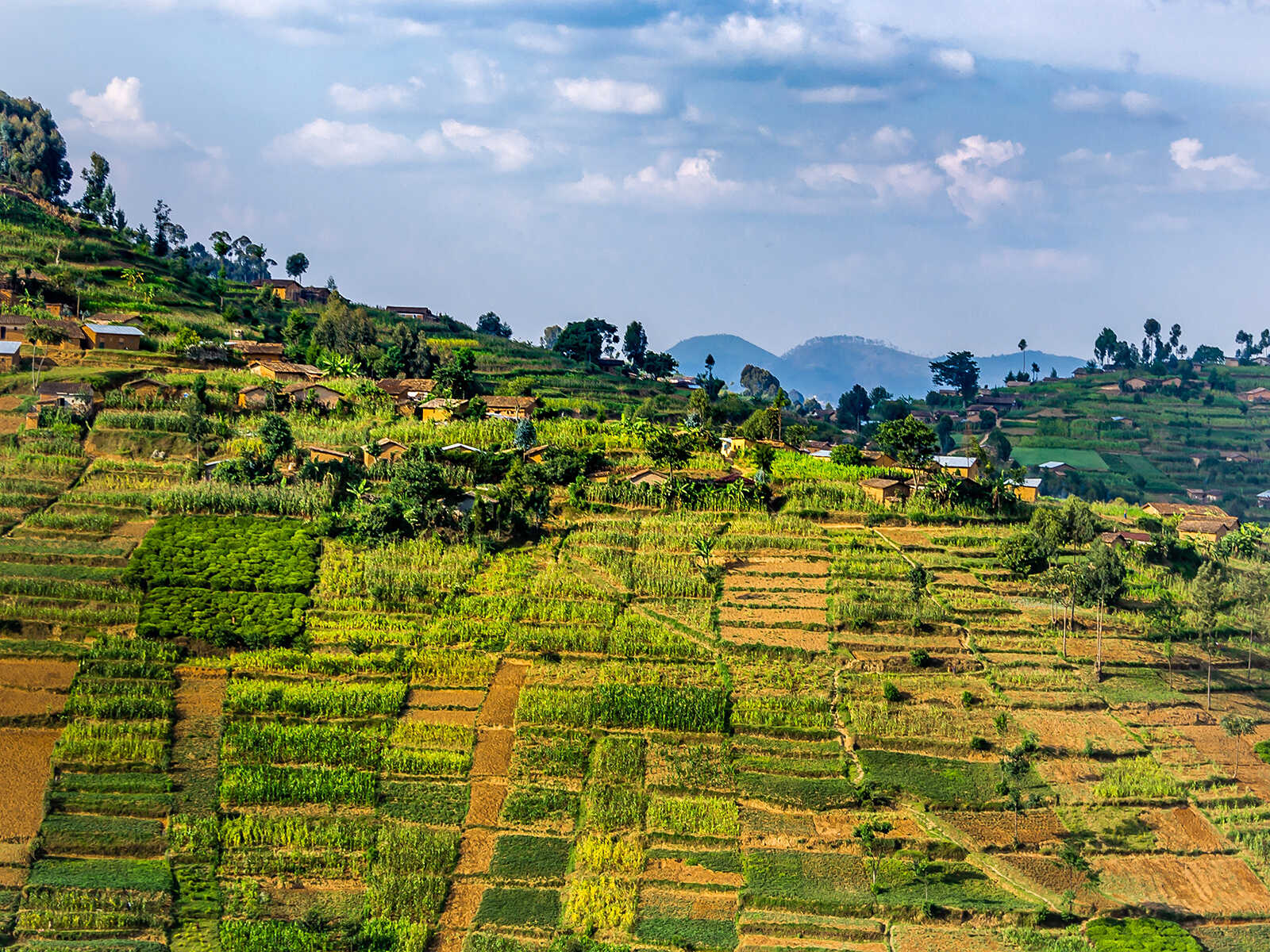
Bird Watching in Rwanda: Top Spots and Species to See
Rwanda, often celebrated for its majestic mountain gorillas, is rapidly gaining recognition as a premier destination for bird watching. This compact East African nation boasts an extraordinary diversity of avian life, making it a hidden gem for ornithologists and nature enthusiasts alike.
From the dense rainforests of the Albertine Rift to the vast savannas and wetlands, Rwanda offers a captivating journey through varied ecosystems, each teeming with unique bird species. With over 700 recorded bird species, including numerous Albertine Rift endemics, it's a birder's paradise waiting to be explored.
Why Rwanda is a Birding Hotspot
Rwanda's remarkable biodiversity is attributed to its unique geographical position at the crossroads of several biogeographical zones. This, combined with its commitment to conservation, has created ideal habitats for a vast array of birdlife.
- Albertine Rift Endemics:The western part of Rwanda falls within the Albertine Rift Valley, a global biodiversity hotspot home to many species found nowhere else on Earth.
- Diverse Habitats:From montane forests and bamboo zones to expansive savannas, wetlands, and lakes, the country offers a mosaic of environments.
- Accessibility:Rwanda's excellent infrastructure and compact size mean that top birding sites are relatively easy to access and combine within a single trip.
- Safety and Stability:The country's strong focus on conservation and tourism ensures a safe and welcoming environment for visitors.
Top Birding Destinations in Rwanda
Nyungwe Forest National Park
Nestled in the southwest,Nyungwe Forest National Park is arguably Rwanda's most important birding site. This ancient montane rainforest is a stronghold for Albertine Rift endemics, boasting over 30 of these rare species. The park's canopy walkway offers a unique perspective, allowing birders to spot species typically hidden in the dense foliage.
Key species to look for include the stunning Great Blue Turaco, Ruwenzori Turaco, Red-faced Barbet, Mountain Masked Apalis, Albertine Owlet, Handsome Francolin, and numerous sunbirds and barbets. The sheer density of species and the lush, pristine environment make every trek an adventure.
Birding Tip:Early mornings are best for bird activity in Nyungwe. Consider hiring a local bird guide who knows the calls and prime locations.
Akagera National Park
In stark contrast to Nyungwe,Akagera National Park in eastern Rwanda offers savanna, woodland, and extensive wetlands around Lake Ihema. This park is a fantastic destination for water birds, raptors, and savanna specialists.
Akagera is renowned as one of the best places in East Africa to spot the elusive Shoebill, a prehistoric-looking stork. Other highlights include the Papyrus Gonolek, Ring-necked Francolin, Squacco Heron, African Fish Eagle, Goliath Heron, and a variety of kingfishers and raptors. Game drives offer opportunities to combine birding with big game viewing.
Volcanoes National Park
While famous for its mountain gorillas,Volcanoes National Park also offers excellent birding, particularly for high-altitude forest species. The park is part of the Virunga Massif and encompasses five of the eight volcanoes in the range, including Mount Karisimbi.
Birders here can expect to see species such as the Handsome Francolin, Ruwenzori Turaco, Archer's Robin-Chat, Dusky Crimsonwing, and the Red-faced Woodland Warbler. Birding often accompanies gorilla or golden monkey treks, adding another layer to the wildlife experience.
Lake Kivu and Surrounds
Rwanda's largest lake,Lake Kivu, provides a beautiful setting for birding, particularly for water-associated species. The lake itself and its surrounding marshy areas and cultivated lands attract a different set of birds.
Species like the African Pied Kingfisher, Cormorants, Darters, and various egrets are commonly seen. The surrounding areas can also yield raptors and common terrestrial birds. Boat trips on Lake Kivu can offer unique perspectives for spotting birds along the shoreline and on its small islands.
Rugezi Marsh
Designated as an Important Bird Area (IBA), Rugezi Marsh is a vital high-altitude papyrus swamp. It is particularly important for several threatened species, including the critically endangered Grauer's Swamp Warbler and the Papyrus Gonolek. Access can be challenging, but the rewards for dedicated birders are significant.
Kigali City and Environs
Even the capital city of Kigali offers surprising birding opportunities. Parks, gardens, and even roadside trees can host a variety of common and colorful species. Look out for the African Paradise Flycatcher, Yellow-fronted Canary, Black-headed Weaver, and the majestic Grey Crowned Crane in open areas.
Key Bird Species to Spot in Rwanda
Rwanda's avian checklist is extensive, but some species stand out as must-sees for any bird enthusiast:
- Shoebill:This iconic, prehistoric-looking bird is a top target in Akagera's wetlands.
- Albertine Rift Endemics:Keep an eye out for the Handsome Francolin, Ruwenzori Turaco, Red-faced Barbet, Yellow-eyed Black Flycatcher, Grauer's Rush Warbler, and Kivu Ground Thrush, primarily found in Nyungwe and Volcanoes.
- Great Blue Turaco:A stunning, large turaco with vibrant blue and yellow plumage, common in Nyungwe.
- Grey Crowned Crane:Rwanda's national bird, often seen in wetlands and open grasslands.
- Papyrus Gonolek:A striking black and red bird, endemic to papyrus swamps, found in Akagera and Rugezi Marsh.
- Various Kingfishers:From the giant to the malachite, several species can be found near water bodies.
- Raptors:African Fish Eagles, various buzzards, and kites are common across different habitats.
Planning Your Birding Trip to Rwanda
Best Time to Visit
Bird watching in Rwanda is excellent year-round. However:
- Dry Season (June to September & December to February):Generally preferred for easier access to trails and good visibility. Migratory birds are fewer.
- Wet Season (March to May & October to November):Lush landscapes, fewer tourists, and the arrival of intra-African and Palearctic migratory birds, making it a fantastic time for species diversity, though some trails might be muddy.
Essential Gear
- Binoculars:A good pair (e.g., 8x42 or 10x42) is indispensable.
- Field Guide:A comprehensive guide to East African birds is highly recommended.
- Camera:With a good zoom lens to capture those memorable shots.
- Waterproof Gear:A light rain jacket and waterproof hiking boots, especially for forest birding.
- Insect Repellent:Essential for comfort, particularly in forested and wetland areas.
Hiring a Local Bird Guide
To maximize your chances of spotting specific species, especially the elusive endemics, hiring an experienced local bird guide is invaluable. Their knowledge of calls, habitats, and bird behavior will significantly enhance your experience.
Permits and Logistics
Access to national parks requires permits, which can be arranged through tour operators or directly with the Rwanda Development Board (RDB). It's advisable to book accommodation and transport in advance, especially during peak seasons.
Conservation Efforts
Rwanda is deeply committed to conservation, with significant efforts directed towards protecting its diverse ecosystems and wildlife, including birds. Local communities are actively involved in conservation initiatives, ensuring the long-term sustainability of these precious habitats. By visiting, you contribute directly to these vital conservation programs.
Conclusion
Rwanda offers an unparalleled bird watching experience, combining accessibility, safety, and an incredible diversity of species within a small geographical area. Whether you're a seasoned birder seeking rare endemics or a novice looking to immerse yourself in nature, the Land of a Thousand Hills promises a truly unforgettable avian adventure.