
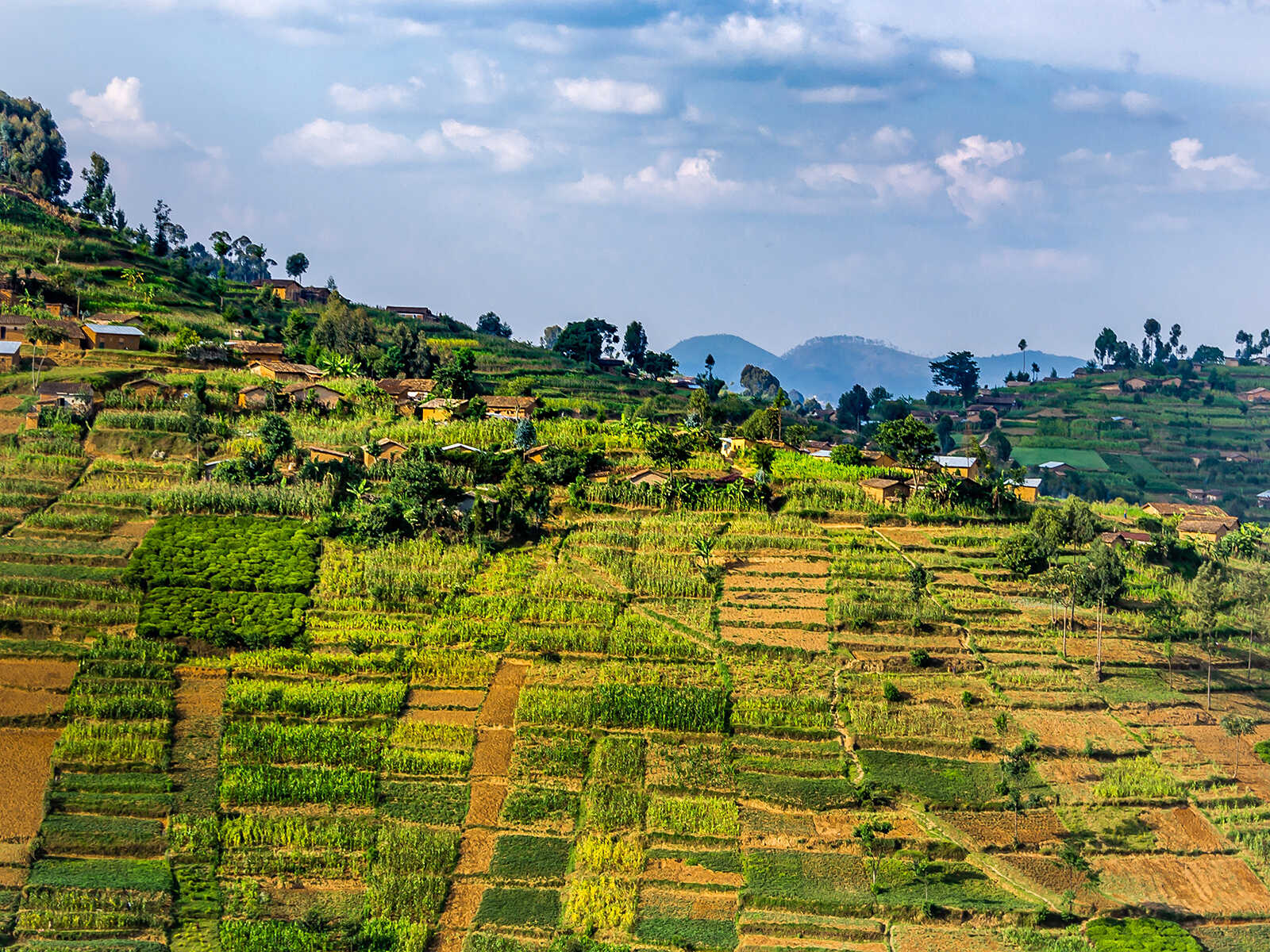
Best Time to See Chimpanzees in Nyungwe Forest National Park
Embarking on a chimpanzee trekking adventure in Nyungwe Forest National Park, Rwanda, is an unforgettable encounter with our closest primate relatives. This ancient montane rainforest, teeming with biodiversity, offers a unique opportunity to observe these intelligent and social creatures in their natural habitat. While chimpanzees can be tracked year-round, understanding the seasonal variations can significantly enhance your experience.
Understanding Nyungwe's Climate
Nyungwe Forest National Park, located in southwestern Rwanda, experiences a tropical montane climate characterized by two distinct dry seasons and two wet seasons. These climatic patterns directly influence both the chimpanzees' behavior and the conditions for trekking.
Dry Seasons vs. Wet Seasons
Rwanda's equatorial position means temperatures remain relatively consistent throughout the year, averaging around 20-25°C (68-77°F) in Nyungwe. However, it's the rainfall that dictates the 'best' time for various activities. The long dry season runs fromJune to September, and a shorter dry season frommid-December to mid-February. The long wet season is fromMarch to May, and a shorter wet season fromOctober to November.
"The dense canopy of Nyungwe provides a unique microclimate, often leading to localized showers even during the 'dry' season, so always be prepared for changing weather."
The Dry Seasons: Optimal for Trekking
Many visitors consider the dry seasons the prime time for chimpanzee trekking due to more favorable trail conditions and generally clearer skies.
June to September
This period marks the longest dry spell in Nyungwe Forest National Park. The trails are less muddy and slippery, making the trek physically easier and more enjoyable. The forest undergrowth is also less dense, potentially offering slightly better visibility through the foliage. Photography conditions are often superior with more sunlight filtering through the canopy.
However, drier conditions can mean chimpanzees forage over a wider area as food sources might be more dispersed. This can sometimes lead to longer treks to locate the troops. Despite this, the overall comfort of the hike often outweighs the potential for a longer search.
Mid-December to Mid-February
This shorter dry season offers similar advantages to the long dry season. Trekking conditions are generally good, with less rain and more manageable trails. This period also coincides with the festive season, making it a popular time for international visitors. Booking permits well in advance is highly recommended during this peak travel window.
The Wet Seasons: Unique Experiences
While more challenging, the wet seasons offer a different, often more intimate, trekking experience with distinct advantages.
March to May
This is Nyungwe's long rainy season, characterized by frequent and sometimes heavy downpours. The forest transforms into a vibrant, lush paradise, with waterfalls cascading and vegetation at its most verdant. Trekking trails become significantly muddier and more slippery, requiring good waterproof gear and sturdy hiking boots.
The key advantage during this time is that the abundance of fruit trees means chimpanzees don't have to travel far to find food. They are often found in more localized areas, potentially resulting in shorter trekking times and more consistent sightings. The forest also feels more alive, and fewer tourists mean a more exclusive experience.
October to November
The short rainy season brings similar conditions to the long wet season, though typically with less intense rainfall. The forest is still wonderfully green, and fruit availability remains high. This can be an excellent time for those who don't mind a bit of mud and wish to avoid the peak season crowds. It's a fantastic opportunity to witness the rainforest's full vitality.
Chimpanzee Behavior Throughout the Year
Chimpanzee behavior is intrinsically linked to the availability of food, which fluctuates with the seasons.
During thewet seasons, when fruits are abundant, chimpanzees tend to be less active, spending more time feeding in specific areas. This can make them easier to locate, as they don't need to range as widely. They might also engage in more social interactions as they spend less time searching for sustenance.
Conversely, in thedry seasons, when fruit is scarcer, the chimps must travel further to find food. This can lead to longer treks but also provides opportunities to observe them moving through the forest, displaying their incredible agility and strength. Their daily routines are often dictated by the search for resources.
"A fun fact about chimpanzees: they are known to use a variety of tools, from sticks to extract insects to stones for cracking nuts, showcasing their remarkable intelligence."
Tips for Your Chimpanzee Trekking Adventure
Regardless of when you choose to visit Nyungwe Forest National Park, preparation is key to a successful and enjoyable chimpanzee trekking experience.
What to Pack
- Sturdy Hiking Boots:Essential for navigating uneven and potentially muddy terrain.
- Waterproof Rain Jacket and Pants:Crucial for the wet season, but advisable even in the dry season due to unpredictable forest showers.
- Long-sleeved Shirts and Trousers:To protect against scratches, insect bites, and stinging nettles.
- Gloves:Gardening gloves can be helpful for gripping branches and protecting hands.
- Hat and Sunscreen:For sun protection during clearer periods.
- Insect Repellent:A must in any rainforest environment.
- Plenty of Water:Staying hydrated is vital.
- Snacks:Energy bars or fruit are good for sustained energy.
- Camera with extra batteries:You won't want to miss capturing these moments.
- Small Backpack:To carry all your essentials.
Fitness Level
Chimpanzee treks can be challenging, involving steep ascents and descents over uneven terrain. A reasonable level of physical fitness is required. Treks can range from 2-8 hours, depending on the location of the chimpanzees.
Booking Permits
Chimpanzee permits are limited daily to minimize disturbance to the animals. It is highly advisable to book your permit several months in advance, especially if you plan to visit during the dry seasons or peak holiday periods. You can combine your chimp trek with a visit to Volcanoes National Park for gorilla trekking, offering an unparalleled primate experience in Rwanda.
Ethical Considerations
Always follow your guide's instructions. Maintain a respectful distance from the chimpanzees, avoid sudden movements, and never feed them. The health and well-being of these incredible primates are paramount.
Beyond Chimpanzees: What Else to See in Nyungwe
Nyungwe Forest National Park is not just about chimpanzees; it's a treasure trove of biodiversity, offering several other captivating activities.
Other Primates:The park is home to 12 other primate species, including colobus monkeys, L'Hoest's monkeys, and grey-cheeked mangabeys. Colobus monkey trekking is another popular activity.
Canopy Walkway:Experience the forest from a unique perspective on East Africa's only canopy walkway, suspended high above the trees. It offers breathtaking views and excellent birdwatching opportunities.
Birdwatching:With over 300 bird species, including numerous Albertine Rift endemics, Nyungwe is a birdwatcher's paradise. Guided walks can help you spot some of the elusive species.
Hiking Trails:A network of well-maintained trails allows you to explore various parts of the forest, from short nature walks to multi-day hikes. Consider combining your forest adventure with a visit to Akagera National Park for a diverse safari experience, or relax by Lake Kivu after your active trekking.
Choosing the "best" time to see chimpanzees in Nyungwe Forest National Park ultimately depends on your preferences. The dry seasons (June-September and mid-December to mid-February) offer easier trekking conditions and good visibility, while the wet seasons (March-May and October-November) provide lush scenery, potentially shorter treks to locate chimps due to abundant food, and fewer crowds. No matter when you visit, a chimpanzee trekking experience in Rwanda's ancient rainforest promises to be an extraordinary and deeply rewarding adventure.