
A Brief History of Rwanda for Travelers: Understanding the Past
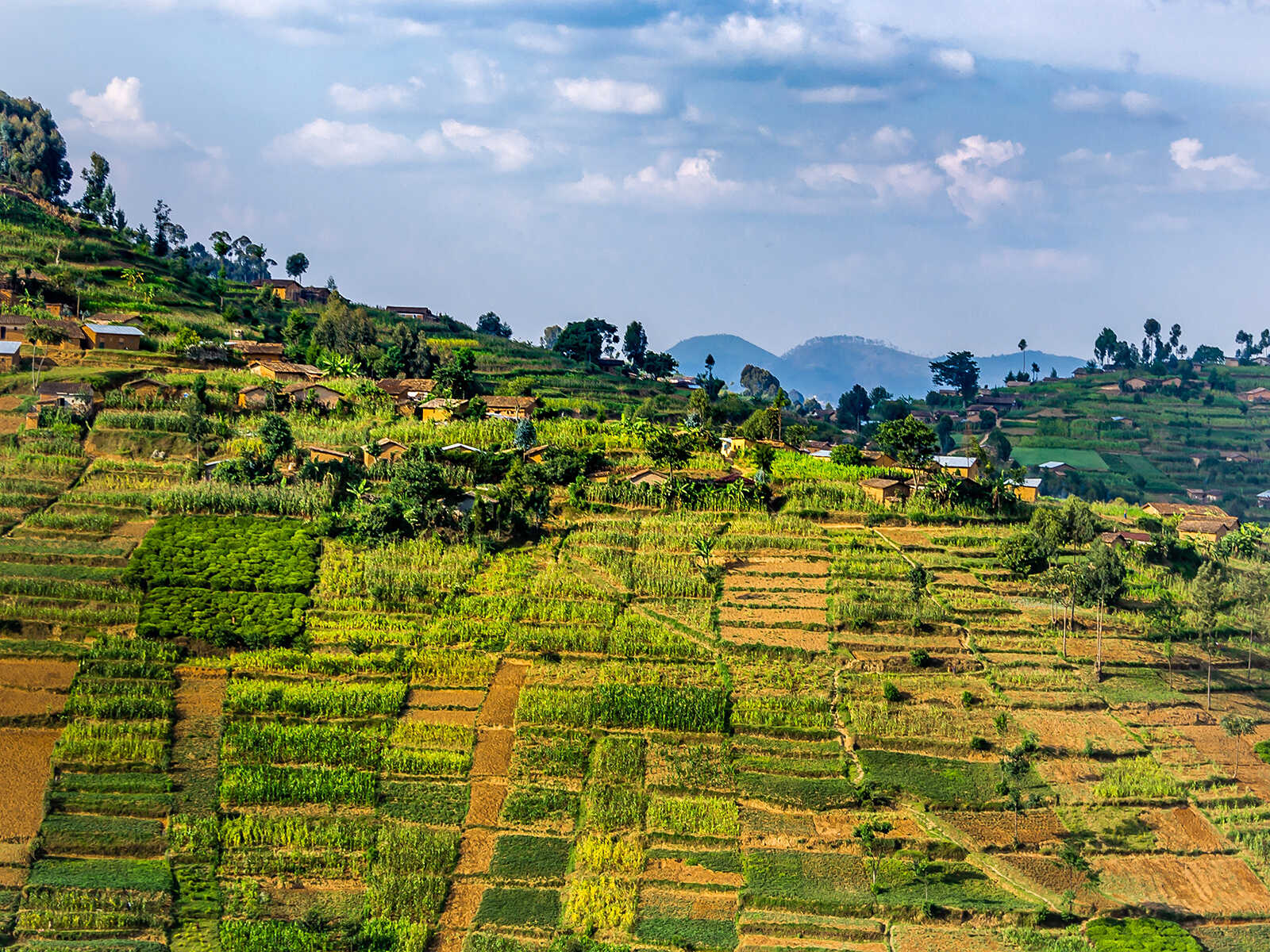
Rwanda, often called the "Land of a Thousand Hills," boasts a landscape as rich and varied as its history. For travelers, understanding Rwanda's past is crucial to appreciating its remarkable present and the resilience of its people. This brief overview offers insights into the nation's journey, from ancient kingdoms to its modern-day resurgence.
From Ancient Kingdoms to Colonial Rule
Early Inhabitants and the Rise of Kingdoms
Rwanda's history stretches back millennia, with evidence of early Stone Age and Iron Age settlements. The earliest known inhabitants were the Batwa (Twa), a forest-dwelling pygmy people. Over centuries, agrarian Bantu groups, the Bahutu (Hutu), migrated into the region, followed by pastoralist Nilotic groups, the Batutsi (Tutsi).
By the 15th century, a highly centralized Tutsi monarchy began to emerge, gradually expanding its influence across the region. The Kingdom of Rwanda, under the leadership of powerful kings (Mwami), developed sophisticated political and social structures. Society was organized around a complex system of patronage and allegiance, with cattle playing a central role in economic and social life. Despite distinct roles, Hutu, Tutsi, and Twa lived integrated lives, often intermarrying and sharing a common language and culture, Kinyarwanda.
Fun Fact:The traditional Rwandan cattle, known asInyambo, are famous for their incredibly long, lyre-shaped horns and play a significant role in Rwandan culture and ceremonial dances.
The Impact of Colonialism
European influence arrived in the late 19th century. Rwanda was incorporated into German East Africa in 1899. German rule was relatively light, focusing primarily on administration and exploration. However, after Germany's defeat in World War I, Rwanda (along with Burundi) became a Belgian mandate territory under the League of Nations in 1922.
Belgian colonial policy profoundly altered Rwandan society. The Belgians implemented a system of indirect rule, strengthening the existing Tutsi monarchy but simultaneously exacerbating ethnic divisions. They introduced identity cards classifying individuals as Hutu, Tutsi, or Twa, based on criteria like physical appearance, number of cattle owned, or historical lineage. This rigid categorization, combined with preferential treatment for Tutsis in education and administration, sowed seeds of resentment and division that had devastating long-term consequences.
The colonial administration also introduced cash crops like coffee, which transformed the economy but often at the expense of local food production and traditional livelihoods. Forced labor was common, and the Belgians extracted resources while investing little in the development of the local population.
A Path to Independence and Unrest
Gaining Independence
As the mid-20th century progressed, a wave of independence movements swept across Africa. In Rwanda, this period was marked by increasing ethnic tensions, fueled by the legacy of colonial policies. Political parties emerged along ethnic lines, advocating for different visions of the future. A "social revolution" in 1959 saw widespread violence, leading to the overthrow of the Tutsi monarchy and the exodus of many Tutsis to neighboring countries.
On July 1, 1962, Rwanda gained independence from Belgium, becoming a republic under a Hutu-dominated government. Grégoire Kayibanda became the first president. The new government, however, largely continued the discriminatory policies of the colonial era, now targeting Tutsis.
Escalating Tensions
The decades following independence were characterized by intermittent violence, political instability, and authoritarian rule. Successive Hutu-led governments marginalized the Tutsi minority, leading to further exoduses and the formation of exile groups. One such group, the Rwandan Patriotic Front (RPF), formed primarily of Tutsi refugees, launched an invasion from Uganda in 1990, initiating a civil war against the government of President Juvénal Habyarimana.
Peace negotiations were underway, but extremist elements within the government and military actively promoted anti-Tutsi propaganda and organized militias. The stage was tragically set for an unimaginable atrocity.
The 1994 Genocide Against the Tutsi
The assassination of President Habyarimana on April 6, 1994, when his plane was shot down, served as the catalyst for the systematic extermination of Tutsis and moderate Hutus. Within hours, well-organized militias, with the support of government forces, began implementing a meticulously planned genocide. Over approximately 100 days, between April and July 1994, an estimated 800,000 to 1 million people were brutally murdered.
The scale and speed of the killings were horrific, utilizing machetes, clubs, and other rudimentary weapons. The international community's failure to intervene effectively remains a painful chapter in global history. The genocide was finally brought to an end when the RPF, led by Paul Kagame, defeated the genocidal regime and took control of the country in July 1994.
Remembering the Past:While visiting Rwanda, you may have the opportunity to visit various memorial sites dedicated to the victims of the Genocide Against the Tutsi. These sites, like the Kigali Genocide Memorial, are powerful testaments to human suffering and resilience, offering vital lessons for humanity. Approaching these sites with respect and solemnity is paramount.
Rebirth and Reconciliation: A Nation Forges Ahead
The Road to Recovery
The aftermath of the genocide left Rwanda utterly devastated. The country faced the monumental task of rebuilding its social fabric, seeking justice, and fostering reconciliation. Under the leadership of the new government, significant efforts were made to address the trauma and division. Traditional Gacaca courts were revived, allowing communities to process justice and reconciliation at a grassroots level, fostering dialogue and healing.
The government prioritized national unity, discouraging ethnic classifications and promoting a shared Rwandan identity. Policies focused on good governance, economic development, and social cohesion. Education became a cornerstone of recovery, aiming to instill values of peace and tolerance in younger generations.
Conservation and Development
Rwanda has also emerged as a global leader in conservation and sustainable development. Recognizing the intrinsic link between a healthy environment and national prosperity, the country has invested heavily in protecting its natural heritage. Initiatives like the annual Kwita Izina (gorilla naming ceremony) in Volcanoes National Park highlight its commitment to wildlife, particularly the critically endangered mountain gorillas.
Beyond gorillas, Rwanda is home to stunning biodiversity.Nyungwe Forest National Park protects one of Africa's oldest rainforests, teeming with primates like chimpanzees and colobus monkeys. To the east,Akagera National Park showcases a diverse savanna ecosystem, now home to the "Big Five" thanks to successful reintroduction programs. These conservation successes not only protect vital ecosystems but also drive a thriving ecotourism industry, providing jobs and revenue for local communities.
Rwanda Today: A Beacon of Progress
Today, Rwanda stands as a testament to the power of resilience and visionary leadership. It is one of Africa's safest, cleanest, and most politically stable nations. The capital, Kigali, is a vibrant, modern city, often cited as one of the continent's most organized and innovative. The country has made significant strides in various sectors:
- Economic Growth:A focus on technology, tourism, and sustainable agriculture has led to impressive economic growth.
- Healthcare:Universal health coverage and significant improvements in public health indicators.
- Gender Equality:Rwanda boasts one of the highest percentages of women in parliament globally.
- Environmental Stewardship:Banning plastic bags, extensive reforestation efforts, and a commitment to green development.
- Tourism:Offering world-class experiences, from gorilla trekking in Volcanoes National Park, chimpanzee tracking in Nyungwe Forest National Park, to savanna safaris in Akagera National Park, and relaxing on the shores of Lake Kivu.
Travelers to Rwanda will encounter a country that has courageously confronted its past, learned profound lessons, and is now confidently forging a path towards a prosperous and peaceful future. The spirit ofAgaciro(dignity and self-reliance) permeates the nation.
Conclusion: Traveling with Understanding
Exploring Rwanda is an experience that goes beyond breathtaking landscapes and incredible wildlife; it's an opportunity to witness a nation's journey of healing, reconciliation, and remarkable progress. By understanding its history, travelers can engage with Rwanda and its people with greater empathy and appreciation, contributing positively to its ongoing story of hope and transformation.