
Trans-Siberian Railway Journey: An Epic Itinerary Planning Guide
Embarking on the Trans-Siberian Railway is more than just a train ride; it's an immersive odyssey across the vast heartland of Russia, offering a unique window into its diverse landscapes and cultures. This guide provides practical advice and itinerary inspiration to help you plan your own unforgettable journey along one of the world's most legendary railway lines.
What is the Trans-Siberian Railway?
The Trans-Siberian Railway is the longest railway line in the world, stretching over 9,289 kilometers (5,772 miles) from Moscow in the west to Vladivostok on Russia's Pacific coast. Completed in 1916, it connects European Russia with the Russian Far East, traversing eight time zones and countless cities, towns, and natural wonders. While often referred to as a single route, there are actually three main lines:
- Trans-Siberian Line:The original and longest route, connecting Moscow to Vladivostok.
- Trans-Mongolian Line:Branches off the Trans-Siberian at Ulan-Ude, heading south through Mongolia (and its capital, Ulaanbaatar) before reaching Beijing, China.
- Trans-Manchurian Line:Also branches off near Chita, passing through northeastern China (Manchuria) before arriving in Beijing.
This guide primarily focuses on planning an itinerary along the classic Russian Trans-Siberian Railway route.
Why Embark on This Epic Journey?
The allure of the Trans-Siberian lies in its blend of adventure, cultural immersion, and breathtaking scenery. It's a journey that encourages slow travel, allowing you to witness the gradual transformation of landscapes, from dense forests and rolling plains to majestic mountains and vast steppes. You'll encounter friendly locals, experience life on board a Russian train, and discover cities often overlooked by conventional tourism.
Key Planning Considerations
Before diving into specific stops, consider these crucial aspects for a smooth journey:
Duration and Stops
The continuous journey from Moscow to Vladivostok takes about 7 days. However, most travelers opt to break up the journey with stops in various cities to explore. A typical itinerary with several stops can range from 2-4 weeks, depending on how much time you allocate to each location.
Eastbound or Westbound?
Both directions offer unique perspectives. Starting in Moscow and heading east allows for a gradual cultural immersion, while starting in Vladivostok and heading west means you'll hit major highlights later in your trip. Consider your flight options and preferences.
Best Time to Travel
- Summer (June-August):The most popular time, offering warm weather, long daylight hours, and vibrant city life. However, trains can be crowded, and accommodation books up quickly.
- Spring (April-May) / Autumn (September-October):Pleasant temperatures, fewer crowds, and beautiful scenery (spring blooms or autumn colors).
- Winter (November-March):A truly unique experience, with snow-covered landscapes and frozen lakes. It's colder, but trains are warm, and you'll encounter fewer tourists.
Visa Requirements
Most foreign nationals require a Russian visa. This is a crucial step and can be time-consuming, so start the application process well in advance. Ensure your visa covers all the dates you plan to be in Russia.
Class of Travel
Russian trains offer various classes, impacting comfort and privacy:
- 1st Class (SV/Lyux):Two-berth compartments, often with a TV and sometimes an en-suite bathroom. Most private and comfortable.
- 2nd Class (Kupe):Four-berth compartments. A popular choice, balancing comfort and social interaction. Compartments can be locked.
- 3rd Class (Platzkart):Open-plan carriages with 54 berths. The most budget-friendly and social option, offering a truly authentic experience. Less privacy but great for meeting locals.
Traveler's Tip:Most long-distance trains have a samovar (hot water dispenser) for tea, coffee, and instant noodles. Bring your own mug, tea bags, and snacks to save on dining car costs and enhance your journey.
Suggested Itinerary Highlights (Moscow to Vladivostok)
This itinerary offers a classic route with popular stops. Remember, you can customize it completely based on your interests and time.
1.Moscow: The Grand Beginning (2-4 Days)
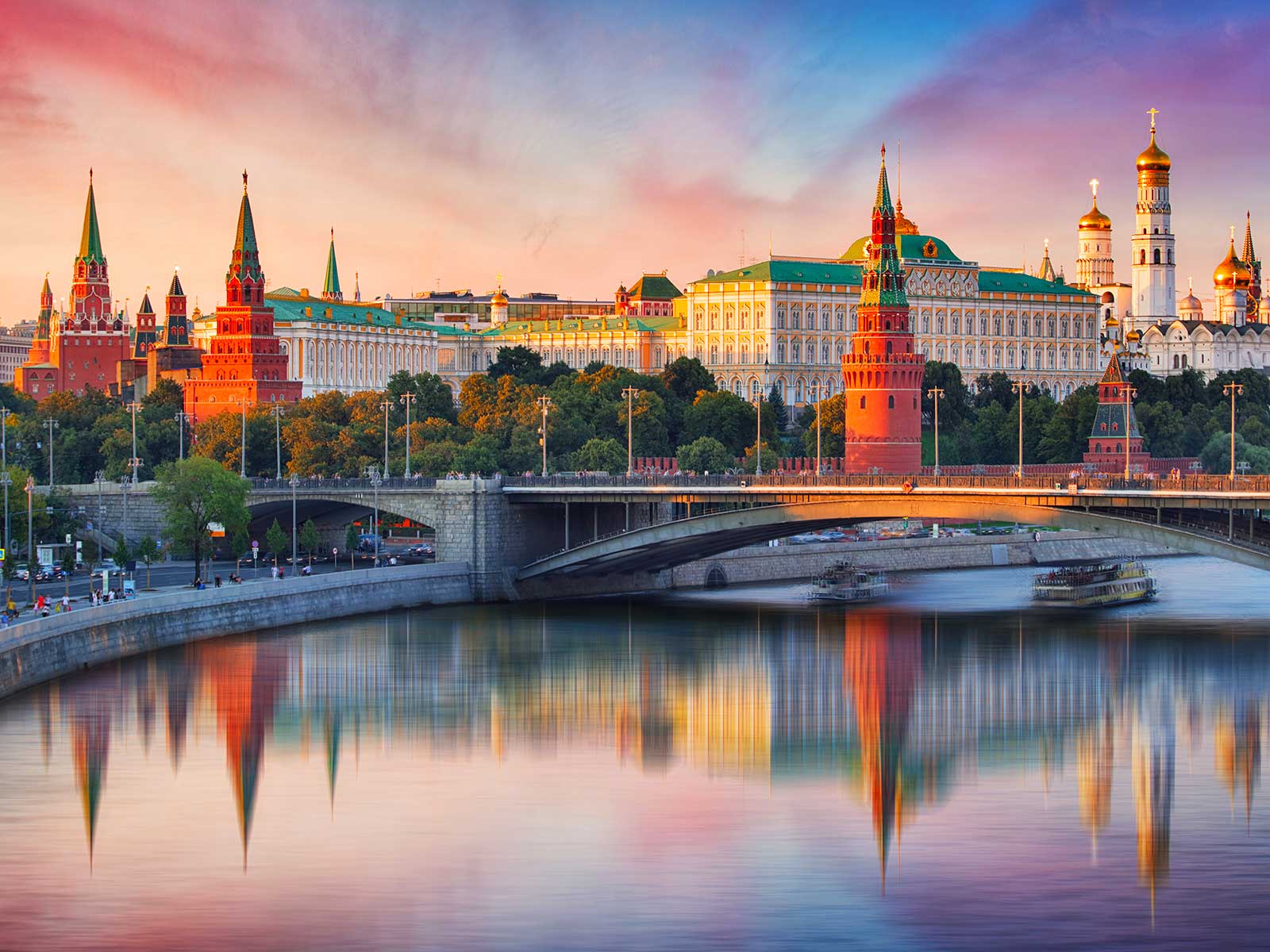
Begin your adventure in Russia's bustling capital. Explore iconic sites like Red Square, the Moscow Kremlin, St. Basil's Cathedral, and the impressive Moscow Metro. Consider adding a day trip to the ancient cities of the Golden Ring before you depart.
2.Kazan: A Blend of Cultures (1-2 Days)
A stop in Kazan, the capital of Tatarstan, reveals a fascinating blend of Russian and Tatar cultures. Visit the UNESCO-listed Kazan Kremlin, home to the Qolşärif Mosque and the Annunciation Cathedral. Enjoy Tatar cuisine and soak in the city's unique atmosphere.
3.Yekaterinburg: Europe Meets Asia (1-2 Days)
Cross the symbolic border between Europe and Asia in Yekaterinburg. This city holds significant historical weight, particularly as the site of the Romanov family's execution. Explore the Church on the Blood and learn about Russia's imperial past. It's also a vibrant cultural hub.
4.Krasnoyarsk& the Stolby Nature Reserve(2-3 Days)
Nestled on the Yenisei River,Krasnoyarsk offers a gateway to stunning Siberian nature. Dedicate a day to hiking in the Stolby Nature Reserve, famous for its unique rock formations (stolby). The city itself has a laid-back charm and beautiful river views.
5.Irkutsk&Lake Baikal: The Jewel of Siberia (3-5 Days)
No Trans-Siberian journey is complete without a stop at Lake Baikal, the world's deepest and oldest freshwater lake. Use Irkutsk, often called the "Paris of Siberia," as your base. From Irkutsk, take a short bus ride to Listvyanka, a picturesque village on Lake Baikal's shore, or consider a longer stay on Olkhon Island for a more immersive experience. Enjoy hiking, boat trips (in summer), or even ice-skating (in winter).
6. Ulan-Ude: Gateway to Mongolia (Optional Stop, 1 Day)
If you're considering the Trans-Mongolian route, Ulan-Ude is where the lines diverge. Even if not, it's a fascinating city with a strong Buryat (Mongolian-descended) influence, visible in its Buddhist temples and unique culture. Don't miss the world's largest Lenin head in Lenin Square.
7. Khabarovsk: Far Eastern Charm (1 Day)
As you near the Pacific, Khabarovsk offers a pleasant break. Stroll along the Amur River embankment, visit its museums, and enjoy the city's relaxed pace before the final leg of your journey.
8.Vladivostok: The Pacific Terminus (2-3 Days)
Conclude your epic journey in Vladivostok, Russia's major Pacific port city. Explore its dramatic hills, bridges, and naval history. Visit the Pacific Fleet Submarine S-56 Museum, enjoy fresh seafood, and take in the panoramic views from Eagle's Nest Hill. From here, you can fly back home or continue your travels into Asia.
Life Onboard the Train
The train itself is a significant part of the experience. Expect a rhythmic rocking, the constant clatter of wheels, and the camaraderie of fellow passengers. You'll have plenty of time for reading, journaling, observing the changing landscapes, and engaging in conversations (even with language barriers, gestures and shared food go a long way). Dining cars are available, but many travelers bring their own provisions, including instant meals, snacks, and drinks. Train attendants (provodnik/provodnitsa) are on hand to assist with basic needs.
Booking Your Journey
You can book train tickets directly through Russian Railways (RZD) online, which offers the most flexibility for choosing specific trains and stops. Alternatively, numerous travel agencies specialize in Trans-Siberian tours, often providing services like visa support, pre-booked accommodation, and guided excursions. Booking individual segments allows for greater spontaneity and cost control.
The Trans-Siberian Railway journey is a truly transformative experience, offering a deep dive into the heart of Russia. With careful planning and an open mind, you're set for an adventure of a lifetime.