
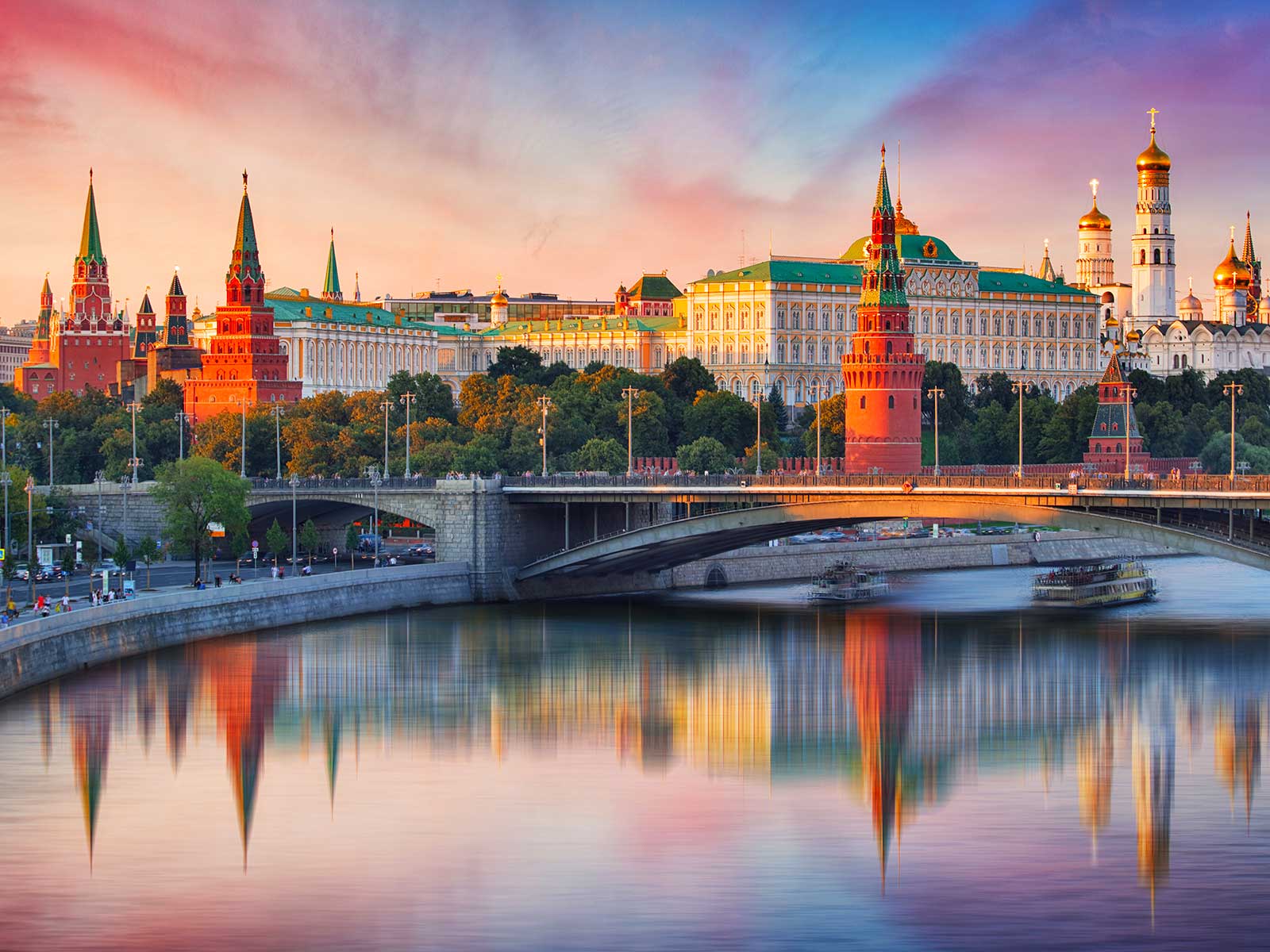
The Spiritual Heart of Russia: Exploring the Solovetsky Islands
Nestled in the remote White Sea, the Solovetsky Islands offer a journey back in time, revealing layers of Russian history, spirituality, and natural beauty. This UNESCO World Heritage site is a powerful destination, inviting travelers to explore its ancient monastery, mysterious labyrinths, and poignant past.
A Glimpse into Solovetsky's Past
The history of the Solovetsky Islands is as dramatic as its windswept landscapes. At its core stands the Solovetsky Monastery, founded in the 15th century by Saints Zosima and Savvatiy. This formidable fortress-monastery grew to become one of Russia's most influential spiritual and economic centers, a beacon of Orthodox faith in the harsh northern reaches. Its thick stone walls and towers, built to withstand Swedish invasions, also housed a thriving community of monks, craftsmen, and scholars.
The monastery's strategic location and self-sufficiency allowed it to accumulate vast wealth and power over centuries. It developed advanced irrigation systems, saltworks, and even an early form of hydropower. However, its story took a darker turn in the 20th century. After the October Revolution, the monastery was shut down, and the islands were transformed into one of the Soviet Union's first and most infamous forced labor camps, the Solovetsky Special Purpose Camp (SLON), a precursor to the Gulag system. Thousands suffered and perished here, making the islands a solemn memorial to a tragic period in Russian history.
“The Solovetsky Islands stand as a powerful testament to both the enduring spirit of Russian Orthodoxy and the profound suffering of the Soviet era. It's a place where faith and hardship are inextricably intertwined.”
Today, the monastery has been partially restored and returned to the Russian Orthodox Church, serving as both a working monastery and a museum complex, allowing visitors to contemplate its complex legacy.
What to See and Do on the Solovetsky Islands
The Solovetsky Monastery Complex
The heart of the islands is undoubtedly the Solovetsky Monastery. This sprawling complex, with its massive granite walls, numerous churches, and residential buildings, is a marvel of medieval Russian architecture and engineering. Key highlights include:
- The Transfiguration Cathedral:The monastery's main cathedral, impressive in its scale and historical significance.
- The Refectory Church of the Dormition:Known for its vast interior and intricate frescoes.
- The Monastery Walls and Towers:Walk along parts of the fortifications for panoramic views of the surrounding area.
- Museum Exhibitions:Several exhibitions within the complex detail the monastery's religious history, its economic activities, and the somber period of the Gulag.
Sekirnaya Hill and the Lighthouse Church
Located on Bolshoi Solovetsky Island, Sekirnaya Hill is the highest point on the islands and offers breathtaking views. At its summit stands the Ascension Skete, a unique church that also functions as a lighthouse. The site holds particular historical significance as it was a punishment cell for prisoners during the Gulag era. A steep wooden staircase leads up to the church, providing a poignant climb.
The Botanical Garden
Established in the 19th century, the Solovetsky Botanical Garden is the northernmost botanical garden in Europe. Despite the harsh climate, it boasts an impressive collection of plants, including many species not typically found at this latitude. It's a testament to the monks' ingenuity and dedication.
The Stone Labyrinths of Bolshoi Zayatsky Island
A short boat trip from the main island will take you to Bolshoi Zayatsky Island, famous for its ancient stone labyrinths. These mysterious structures, dating back millennia, are believed to have had ritualistic significance for early inhabitants. Their purpose remains debated, adding to their allure. The island also features a small wooden church and stunning coastal scenery.
Kayaking and Boat Tours
The Solovetsky Islands are crisscrossed by a network of interconnected lakes and canals, many of which were engineered by the monks. Renting a kayak or taking a guided boat tour is an excellent way to explore these serene waterways, observe local birdlife, and gain a different perspective of the islands' unique landscape.
Hiking and Cycling
Bolshoi Solovetsky Island offers numerous trails suitable for hiking and cycling. Explore the dense forests, discover hidden chapels, and reach remote beaches. Bikes can be rented on the main island, providing an ideal way to cover more ground and immerse yourself in the natural environment.
Planning Your Trip to Solovetsky
Best Time to Visit
The ideal time to visit the Solovetsky Islands is during the short northern summer, fromJune to August. During these months, the weather is milder, the White Sea is usually calm enough for ferry crossings, and the islands experience the phenomenon of "White Nights," where daylight extends late into the evening. Outside this period, access can be challenging due to ice and rough seas.
How to Get There
Reaching the Solovetsky Islands requires a bit of planning, adding to its sense of remoteness and adventure:
- By Train to Kem or Belomorsk:The most common route involves taking an overnight train from Saint Petersburg or Moscow to the towns of Kem or Belomorsk in Karelia.
- By Ferry to Solovetsky:From Kem, regular ferries depart from Kemsky Port (Rabocheostrovsk) to Bolshoi Solovetsky Island. The journey across the White Sea typically takes 2-3 hours, depending on weather conditions. Services from Belomorsk are less frequent. It is crucial to book ferry tickets in advance, especially during peak season, as capacity is limited and cancellations due to weather are possible.
- By Air:Seasonal flights operate from Arkhangelsk to Solovetsky, offering a quicker but often more expensive option on small aircraft.
Accommodation
Accommodation options on Bolshoi Solovetsky Island are relatively limited. You'll find a few guesthouses, small hotels, and private rooms available for rent. It is highly recommended tobook your accommodation well in advance, especially if traveling during the summer months, as demand often outstrips supply.
Essential Tips for Visitors
- Dress Respectfully:When visiting the monastery, ensure you are dressed appropriately. Women should cover their heads and shoulders, and both men and women should wear modest clothing that covers knees and elbows.
- Layered Clothing:Even in summer, the weather in the White Sea can be unpredictable. Be prepared for cool temperatures, rain, and strong winds by packing layers.
- Insect Repellent:Mosquitoes and midges can be prevalent during the summer, so strong insect repellent is a must.
- Guided Tours:To truly appreciate the complex history of the Solovetsky Islands, consider hiring a local guide or joining organized tours. They can provide invaluable context for both the spiritual and Gulag aspects.
- Limited Infrastructure:Remember that the islands are remote. While there are basic amenities, don't expect extensive modern conveniences. ATMs might be scarce, and internet access can be unreliable.
- Respect the Environment:The Solovetsky Islands are a protected natural and cultural heritage site. Please adhere to all regulations, dispose of waste properly, and respect the fragile ecosystem.
Solovetsky: A Journey Beyond Sightseeing
Visiting the Solovetsky Islands is more than just a sightseeing trip; it's an immersive experience that touches upon deep historical and spiritual themes. The stark beauty of the northern landscape combined with the profound human stories etched into its stones creates an atmosphere of contemplation and reverence. It’s a place that challenges visitors to reflect on faith, resilience, suffering, and the enduring spirit of humanity.
Whether you are drawn by the architectural grandeur of the monastery, the mystery of ancient labyrinths, or the solemn echoes of its Gulag past, the Solovetsky Islands offer a unique and unforgettable journey into Russia's spiritual heart. Prepare for an adventure that will stay with you long after you've left its shores.