
The Rich History of the Moscow Kremlin: What Every Visitor Should Know
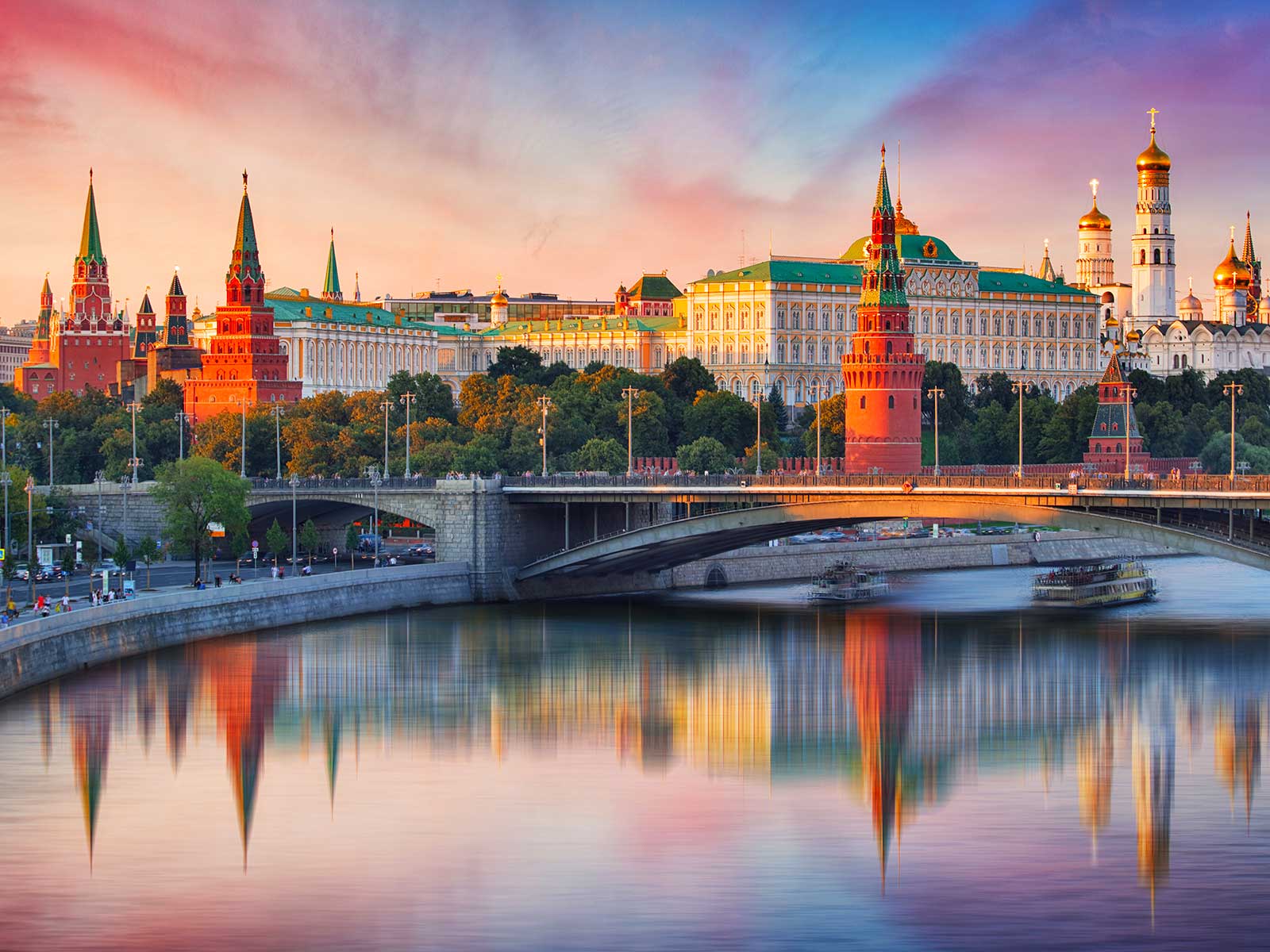
Nestled in the heart of Russia's vibrant capital, the Moscow Kremlin stands as an unparalleled symbol of power, history, and architectural grandeur. This fortified complex, a UNESCO World Heritage site, has been the seat of Russian rulers for centuries and remains an essential pilgrimage for anyone wishing to understand the soul of the nation.
More than just a fortress, the Kremlin is a sprawling city within a city, housing palaces, cathedrals, and museums that chronicle Russia's tumultuous past and enduring spirit. From its humble beginnings as a wooden settlement to its current status as a global icon, its walls hold countless stories waiting to be discovered by every curious traveler.
A Fortress Through Time: Early Origins
The history of the Kremlin stretches back to the 12th century, when Prince Yuri Dolgoruky founded Moscow in 1147. The earliest iteration of the Kremlin was a simple wooden palisade, built atop Borovitsky Hill at the confluence of the Moskva and Neglinnaya rivers. This strategic location provided natural defenses, making it an ideal stronghold for the nascent principality.
Over the centuries, as Moscow grew in power and influence, so too did its central fortress. The wooden walls were gradually replaced by more formidable stone structures, particularly under Dmitry Donskoy in the late 14th century. These white-stone walls, though later replaced, earned Moscow the moniker "Belo kamennaya" (white-stoned), a poetic term still used today.
Fun Fact:The word "Kremlin" itself means "fortress within a city," a common architectural feature in historical Russian towns, similar to the detinets found in places like Veliky Novgorod.
The Golden Age of Ivan the Great and Beyond
The Kremlin we largely see today began to take shape under the reign of Ivan III (Ivan the Great) in the late 15th century. Determined to create a capital befitting a powerful new Russian state, Ivan invited skilled architects and craftsmen, predominantly from Italy, to reconstruct and expand the Kremlin. These masters, including Aristotle Fioravanti, Marco Ruffo, and Pietro Antonio Solari, brought Renaissance techniques and artistry to Moscow, blending them with traditional Russian architectural styles.
It was during this period that the iconic red brick walls and towers, some topped with distinctive spires, were erected. The most significant transformation occurred within the central square, now known as Cathedral Square. This ensemble of magnificent churches, each a masterpiece in its own right, became the spiritual and ceremonial heart of the Russian state.
Cathedral Square: The Spiritual Heart
Cathedral Square is undoubtedly the most breathtaking part of the Kremlin. It's surrounded by three main cathedrals, each playing a crucial role in Russian history:
- Assumption Cathedral (Uspenski Sobor):The oldest and most important church in Russia, where tsars were crowned and patriarchs were enthroned. Its gleaming golden domes have witnessed centuries of momentous events.
- Archangel Cathedral (Arkhangelsky Sobor):The burial place of Moscow's princes and tsars, including Ivan the Great and Ivan the Terrible. Its Italian Renaissance-influenced facade distinguishes it from its neighbors.
- Annunciation Cathedral (Blagoveschensky Sobor):The private chapel of the Moscow grand princes and later the tsars. Its nine golden domes and intricate iconostasis are particularly striking.
Also dominating the square is the magnificentIvan the Great Bell Tower, once Russia's tallest structure, offering panoramic views of Moscow. Adjacent to the cathedrals, you'll find theChurch of the Deposition of the Robe, a smaller but beautifully decorated church that served as the private chapel for Moscow metropolitans and patriarchs.
From Tsars to Soviets: A Shifting Capital
For centuries, the Kremlin served as the primary residence of the Russian tsars. However, with Peter the Great's decision to move the capital to Saint Petersburg Old Town in the early 18th century, the Kremlin's role as the active political center diminished, though it remained a potent symbol of Russian heritage and tradition.
Following the 1917 October Revolution, the Soviet government, under Vladimir Lenin, moved the capital back to Moscow in 1918. The Kremlin once again became the seat of power, serving as the headquarters for the Bolsheviks and later the Soviet Union's leadership. During this era, some historical structures were demolished, and new administrative buildings were constructed, altering parts of the complex.
Traveler's Tip:While some buildings within the Kremlin, like the Grand Kremlin Palace and Senate Palace (the President's official residence), are not generally accessible to the public, their external beauty and historical significance are still palpable during a visit.
The Kremlin Today: A UNESCO World Heritage Site
Today, the Moscow Kremlin is a vibrant complex that seamlessly blends its ancient past with its modern role. It continues to serve as the official residence of the President of the Russian Federation, a testament to its enduring importance. Simultaneously, it operates as a major museum complex, welcoming millions of visitors annually who come to explore its churches, palaces, and treasures.
Key Sights Within the Kremlin
Beyond Cathedral Square, several other attractions within the Kremlin walls are essential viewing:
- Armoury Chamber (Oruzheynaya Palata):One of the oldest museums in Moscow, boasting an incredible collection of royal regalia, state robes, weapons, armor, and diplomatic gifts. Highlights include Fabergé eggs, coronation dresses, and royal carriages.
- Diamond Fund (Almazny Fond):Housed within the Armoury Chamber building, this separate exhibition displays Russia's most precious jewels, including the Imperial Crown of Russia, the Orlov Diamond, and other priceless gems.
- Tsar Bell (Tsar Kolokol):The largest bell in the world, though it was never actually rung. Cast in the 18th century, it cracked during a fire and remains on display near the Ivan the Great Bell Tower.
- Tsar Cannon (Tsar Pushka):An enormous 16th-century cannon, also never fired, known for its intricate decorative carvings. It stands as an impressive example of early Russian artillery craftsmanship.
Planning Your Visit to the Kremlin
Visiting the Kremlin requires a bit of planning to make the most of your experience. Here are some practical tips:
- Tickets:Purchase tickets in advance online to avoid long queues, especially during peak season. Separate tickets are usually required for the general grounds, the Armoury Chamber, and the Diamond Fund.
- Security:Be prepared for airport-style security checks. Large bags and backpacks may need to be checked into a locker.
- Opening Hours:Check the official Kremlin website for current opening hours, as they can vary by season and for specific attractions. The Kremlin is typically closed on Thursdays.
- Getting There:The easiest way to reach the Kremlin is by metro. The closest stations are Okhotny Ryad, Teatralnaya, Ploshchad Revolyutsii, and Borovitskaya.
- Guided Tours:Consider a guided tour to gain deeper insights into the history and significance of the various structures.
Beyond the Walls: Exploring Moscow's Heart
A visit to the Kremlin is often combined with exploring the adjacent Red Square, home to St. Basil's Cathedral, Lenin's Mausoleum, and the GUM department store. The area around the Kremlin, including Alexander Garden, offers beautiful green spaces and monuments like the Tomb of the Unknown Soldier.
For those interested in delving deeper into Russia's rich past, exploring other historical sites like those along the Golden Ring route or the vibrant city of Kazan can complement your understanding of the nation's diverse heritage.
Conclusion
The Moscow Kremlin is more than just an architectural marvel; it's a living chronicle of Russia's journey from a nascent principality to a global power. Every brick, dome, and artifact within its walls tells a story of tsars, revolutions, and resilience. A visit here is not merely a sightseeing trip; it's an immersive experience into the very heart and soul of Russia, leaving an indelible impression on every traveler.