
Russia in Winter: Essential Tips for a Magical Cold Weather Adventure
Venturing into Russia during winter offers an unparalleled experience, transforming its iconic cities and vast landscapes into a breathtaking wonderland blanketed in snow. While the thought of sub-zero temperatures might seem daunting, with the right preparation, a winter trip to Russia can be an incredibly rewarding and unforgettable adventure.
Why Winter in Russia? Embrace the Snow-Kissed Beauty
Winter in Russia is a season of profound beauty and unique charm. Imagine historic palaces dusted with fresh snow, cathedrals gleaming under a winter sun, and city squares bustling with festive cheer and ice skaters. Fewer crowds mean a more intimate experience at popular attractions, and the crisp air often brings stunning visibility.
From the festive lights of the capital to the frozen majesty of Siberia, Russia truly comes alive in its winter guise. It's a chance to witness traditional Russian life, partake in unique winter activities, and enjoy the warmth of Russian hospitality amidst a snowy backdrop.
Packing for the Russian Winter: The Layering Strategy
The key to enjoying Russia in winter is staying warm, and this means mastering the art of layering. Don't underestimate the cold; temperatures can drop significantly, especially outside major cities. Think of your clothing as a system designed to trap heat and protect against wind and moisture.
Essential Garment Checklist: Your Winter Armor
- Base Layer:Start with thermal underwear made of wool or synthetic materials. This layer wicks away moisture and keeps you dry. Avoid cotton, which retains moisture.
- Mid-Layers:Fleece jackets, wool sweaters, or down vests are ideal for insulation. You might need one or two, depending on the temperature.
- Outer Layer:A heavy, waterproof, and windproof winter coat is non-negotiable. Look for one with good insulation, ideally down-filled, that covers your hips or even knees.
- Bottoms:Wear insulated, waterproof trousers over your thermal base layer. Ski pants are an excellent option if you plan outdoor activities.
- Footwear:Invest in high-quality, waterproof, insulated boots with good grip. Ensure they are roomy enough for thick wool socks without being too tight, which can restrict circulation.
- Headwear:A warm hat that covers your ears is crucial. A balaclava can be useful for extreme cold or windy conditions.
- Hands:Waterproof and insulated gloves or mittens are essential. Mittens are generally warmer than gloves as they keep your fingers together.
- Neck:A warm scarf, preferably wool or fleece, to protect your neck and lower face from the wind.
- Accessories:Hand warmers and foot warmers can provide extra comfort during long periods outdoors. Sunglasses are also useful for protecting your eyes from glare off the snow.
Expert Tip:When trying on boots, wear the thick socks you intend to use. Your toes should have room to wiggle, as this helps with circulation and warmth.
Navigating the Cold: Transportation and Logistics
Getting around Russia in winter is generally efficient, especially in major cities. Public transportation systems like the Moscow Metro and the Saint Petersburg Metro are heated, making them a welcome respite from the cold. Buses, trams, and trolleybuses also operate regularly.
For longer distances, internal flights connect major cities, though snow can cause delays. The Trans-Siberian Railway offers a truly iconic winter experience, allowing you to witness vast snowy landscapes from the warmth of your compartment. Taxis and ride-sharing apps are widely available and provide a convenient, warm door-to-door option.
Staying Warm and Healthy
Beyond clothing, maintaining your health and warmth involves a few other considerations:
- Hydration:Cold air can be dehydrating. Drink plenty of water, even if you don't feel thirsty.
- Warm Beverages:Embrace Russian traditions with hot tea, coffee, or sbiten (a traditional Russian honey-based drink). These provide internal warmth.
- Hearty Meals:Russian cuisine features many warming, substantial dishes like borscht, pelmeni, and blini. Enjoying these can help keep your body temperature up.
- Frequent Breaks:Plan your sightseeing to include regular stops indoors – pop into a museum, a café, or a shop to warm up before heading back out.
- Alcohol:While a shot of vodka might seem appealing, alcohol actually lowers your core body temperature. Consume in moderation and not as a primary means to stay warm outdoors.
Winter Activities and Experiences
Russia offers a plethora of activities that are uniquely enhanced by the winter season.
City Adventures
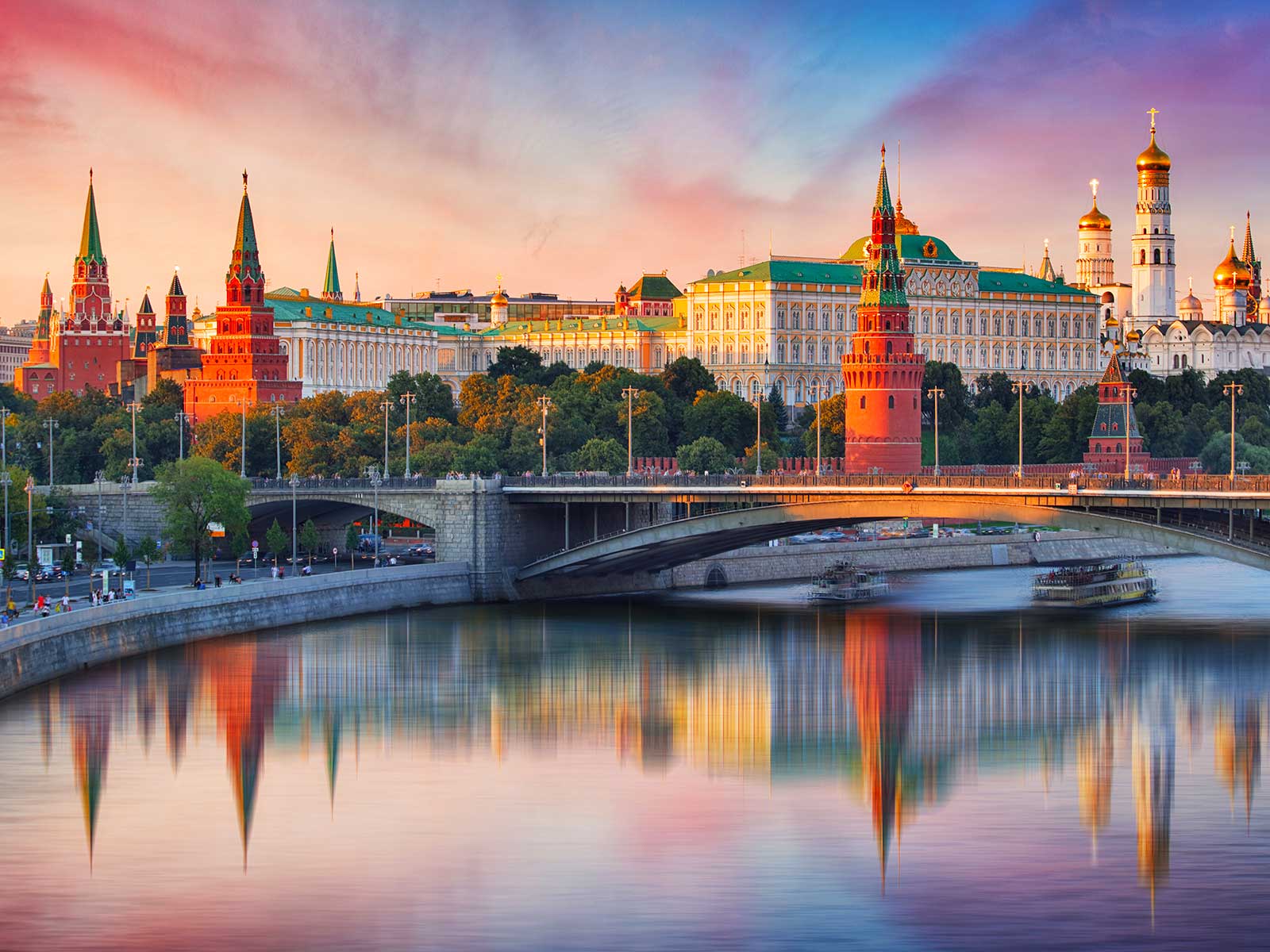
In Moscow, the Red Square often transforms into a grand ice rink, surrounded by festive markets. The Moscow Kremlin and St. Basil's Cathedral look even more spectacular under a blanket of snow.Saint Petersburg's palaces, like the Hermitage, offer a warm escape, and a stroll along Nevsky Prospekt with its illuminated decorations is enchanting. Explore the ancient beauty of the Golden Ring towns, where snow-laden churches create postcard-perfect scenes. Don't miss the unique cultural blend and stunning architecture of Kazan.
Nature and Outdoors
For the adventurous,Lake Baikal in Siberia becomes a magnificent frozen expanse, perfect for ice skating, hovercraft tours, or even ice fishing. Near Krasnoyarsk, the Stolby Nature Reserve offers stunning winter hiking and unique rock formations. The Altay Mountains provide opportunities for skiing and snowshoeing for those seeking remote wilderness. Even the subtropical city of Sochi boasts world-class ski resorts in the nearby Caucasus Mountains, offering a unique blend of beach and snow activities.
Cultural Immersion
A visit to a traditional Russian banya (sauna) is a must, offering a rejuvenating experience and a fantastic way to warm up. Attend a performance at the Bolshoi Theatre in Moscow or the Mariinsky Theatre in Saint Petersburg. If your trip aligns, experience Maslenitsa, the traditional Russian "Pancake Week" festival marking the end of winter.
Essential Practical Tips
- Visa:Check visa requirements well in advance, as the process can be lengthy.
- Language:While English is spoken in major tourist areas, learning a few basic Russian phrases will greatly enhance your experience.
- Currency:The Russian Ruble (RUB) is the official currency. Credit cards are widely accepted, but it's good to have some cash for smaller purchases.
- Daylight Hours:Winter days are short, especially in December and January. Plan your outdoor activities for midday and enjoy indoor attractions during the darker hours.
- Power Adapters:Russia uses Type C and F electrical outlets (two round pins) with 220V.
- Travel Insurance:Always travel with comprehensive insurance that covers medical emergencies and trip interruptions.
Embracing the Russian Winter Mindset
Ultimately, a winter trip to Russia is about embracing the elements. Russians have a saying: "There's no bad weather, only bad clothes." With the right preparation and a spirit of adventure, you'll discover a Russia that is profoundly beautiful, serene, and brimming with unique experiences. The stark, crisp beauty of its snow-laden landscapes and the cozy warmth found indoors create a magical contrast that defines the Russian winter.
Prepare thoroughly, dress wisely, and open yourself to the enchantment. Your cold-weather adventure in Russia promises memories that will warm you for years to come.