
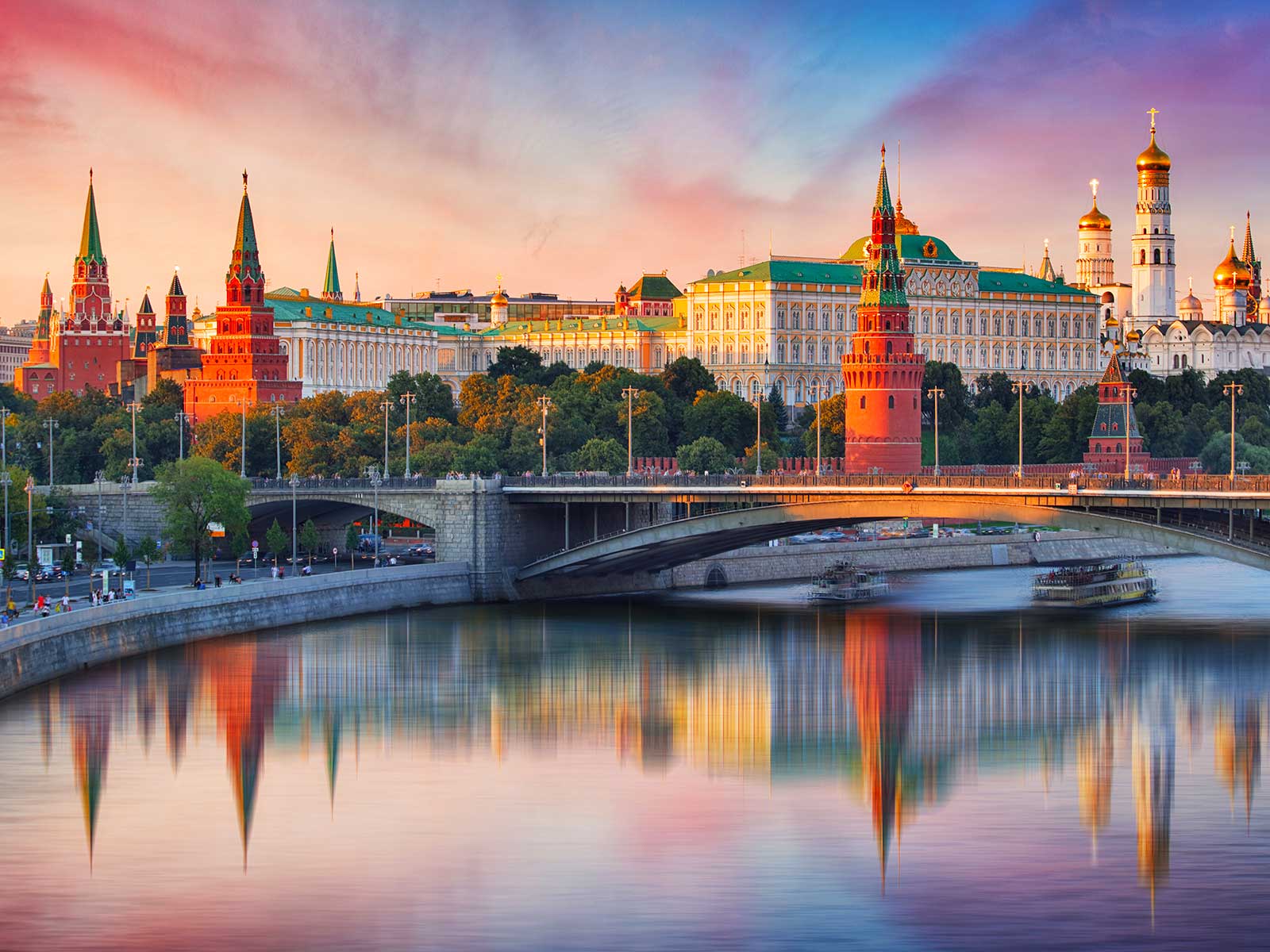
Is Russia Safe to Travel? Essential Safety Tips for Tourists
Russia, a vast country spanning Eastern Europe and Northern Asia, captivates travelers with its rich history, iconic architecture, and stunning natural landscapes. While perceptions of safety can vary, millions of tourists visit Russia each year, enjoying its many attractions without incident. With proper preparation and awareness, a safe and rewarding journey through this incredible nation is entirely achievable.
Like any destination, understanding the local context and adhering to practical safety measures are key to a smooth trip. This guide provides essential safety tips, helping you navigate Russia confidently and make the most of your adventure, whether you're exploring the bustling streets of Moscow or the serene shores of Lake Baikal.
Understanding Safety in Russia
Russia is generally safe for tourists, especially in major cities and popular tourist destinations. The primary concerns for visitors typically revolve around petty crime, cultural misunderstandings, and being aware of local laws. Geopolitical events can influence travel advisories, so it's always wise to consult your government's latest guidance before planning your trip.
Did You Know?Russia is the largest country in the world by landmass, covering over 17 million square kilometers. This vastness means diverse climates, cultures, and travel experiences, from the European feel of Saint Petersburg to the Siberian wilderness near Krasnoyarsk.
Crime and Personal Safety
Petty crime, such as pickpocketing and bag snatching, is the most common issue tourists face, particularly in crowded areas. Violent crime against tourists is rare but can occur.
- Be Vigilant in Crowds:Exercise caution in busy tourist spots like markets, metro stations (especially around Lenin Square in various cities), and popular attractions. Keep your valuables secure and out of sight.
- Avoid Displaying Wealth:Try not to openly display expensive jewelry, electronics, or large sums of cash.
- Nightlife Safety:If you're out at night, especially in entertainment districts, be mindful of your drink and surroundings. Avoid walking alone in poorly lit areas. Use official taxis or ride-sharing apps.
- Scams:Be wary of common tourist scams, such as unsolicited offers of help, fake police officers, or overcharging by unofficial vendors.
- Report Incidents:If you are a victim of crime, report it immediately to the local police (dial 102 from a Russian mobile, or 112 for universal emergency services).
Political Climate and Geopolitical Awareness
The political landscape can be complex. While tourists are generally not targets, it's prudent to stay informed.
- Check Travel Advisories:Before and during your trip, check your home country's latest travel advisories for Russia.
- Avoid Protests and Demonstrations:Steer clear of any political gatherings, protests, or demonstrations, as these can quickly escalate and lead to arrests.
- Be Mindful of Photography:Avoid taking photos of military installations, government buildings, or anything that could be perceived as sensitive. When photographing people, always ask for permission.
Transportation Safety
Russia's transportation networks are generally extensive and efficient, especially in major cities.
- Taxis:Use official taxi services or ride-sharing apps (like Yandex Go or Uber) rather than hailing unmarked cars on the street, which may overcharge or pose safety risks.
- Public Transport:The Moscow and Saint Petersburg metros are famous for their beauty and efficiency. Public transport in major cities is generally safe, but be wary of pickpockets during peak hours.
- Long-Distance Travel:The Trans-Siberian Railway is a popular and generally safe way to traverse the country, connecting destinations like Irkutsk and Vladivostok. Book tickets through reputable agencies and keep valuables secure.
- Driving:Driving in Russia can be challenging due to aggressive drivers, poor road conditions in some areas, and strict traffic laws. It's generally not recommended for tourists.
Health and Medical Preparedness
Access to quality medical care can vary, making preparation vital.
- Travel Insurance:Comprehensive travel insurance that covers medical emergencies, evacuation, and trip cancellation is absolutely essential. Ensure it covers any adventure activities you plan, such as trekking in Altay or exploring Stolby Nature Reserve.
- Medication:Bring an adequate supply of any prescription medications you need, along with a doctor's note or prescription. Be aware that some over-the-counter medications available elsewhere might require a prescription in Russia.
- Food and Water:Tap water is generally not safe to drink directly. Stick to bottled water. Be cautious with street food and ensure food is cooked thoroughly.
- Vaccinations:Consult your doctor about recommended vaccinations before traveling to Russia.
Cultural Nuances and Local Laws
Understanding and respecting local customs and laws will significantly enhance your safety and experience.
- Visa and Registration:Russia has strict visa requirements. Ensure your visa is valid and that you register your stay with the local authorities if required, usually handled by your hotel or host. Non-compliance can lead to fines or deportation.
- Language Barrier:English is not widely spoken outside major tourist areas, especially as you venture into places like Veliky Novgorod or Yekaterinburg. Learning a few basic Russian phrases can be very helpful, and translation apps are invaluable.
- Alcohol Consumption:Public consumption of alcohol is illegal. While you can buy alcohol in stores, drink it in private settings or licensed establishments.
- LGBTQ+ Rights:Russia has laws that restrict the promotion of "non-traditional sexual relations." LGBTQ+ travelers should exercise discretion and avoid public displays of affection.
- Religious and Historical Sites:Dress modestly when visiting churches or monasteries, such as those found on the Golden Ring or the Solovetsky Islands. Be respectful at war memorials and historical sites like those in Volgograd.
Communication and Connectivity
Staying connected can be a crucial safety measure.
- Local SIM Card:Consider purchasing a local SIM card upon arrival. This allows for affordable calls, internet access, and the use of navigation and translation apps.
- Emergency Numbers:
- Universal Emergency: 112
- Police: 102
- Ambulance: 103
- Fire: 101
- Embassy Contact:Keep your embassy or consulate's contact information handy.
Specific Regional Considerations
While general safety tips apply, some regions have unique considerations.
- Major Tourist Hubs:Cities like Moscow,Saint Petersburg, and Kazan are generally very safe for tourists, with good infrastructure and visible policing in central areas.
- Siberia and Far East:Exploring vast regions like Irkutsk(gateway to Lake Baikal),Krasnoyarsk, or Vladivostok offers incredible adventures. While generally safe, travel to remote natural areas such as Lena Pillars requires more careful planning, guides, and preparedness for wilderness conditions.
- Caucasus Region:Areas like the North Caucasus (e.g., near Dargavs) have historically had heightened security concerns. It is crucial to check specific government travel advisories for these regions before planning a visit. Tourist-friendly cities like Sochi on the Black Sea coast are generally considered safe.
- Kaliningrad:As a Russian exclave bordering NATO and EU countries,Kaliningrad has a unique geopolitical position. It is generally safe for tourists, but be aware of border formalities and local regulations.
Conclusion
Russia is a country of immense beauty and cultural depth, offering unforgettable experiences for those who visit. By staying informed, exercising common sense, respecting local laws and customs, and taking proactive safety measures, you can navigate your journey with confidence. A trip to Russia can be incredibly rewarding, creating memories that last a lifetime, provided you prioritize your safety and prepare thoughtfully.