
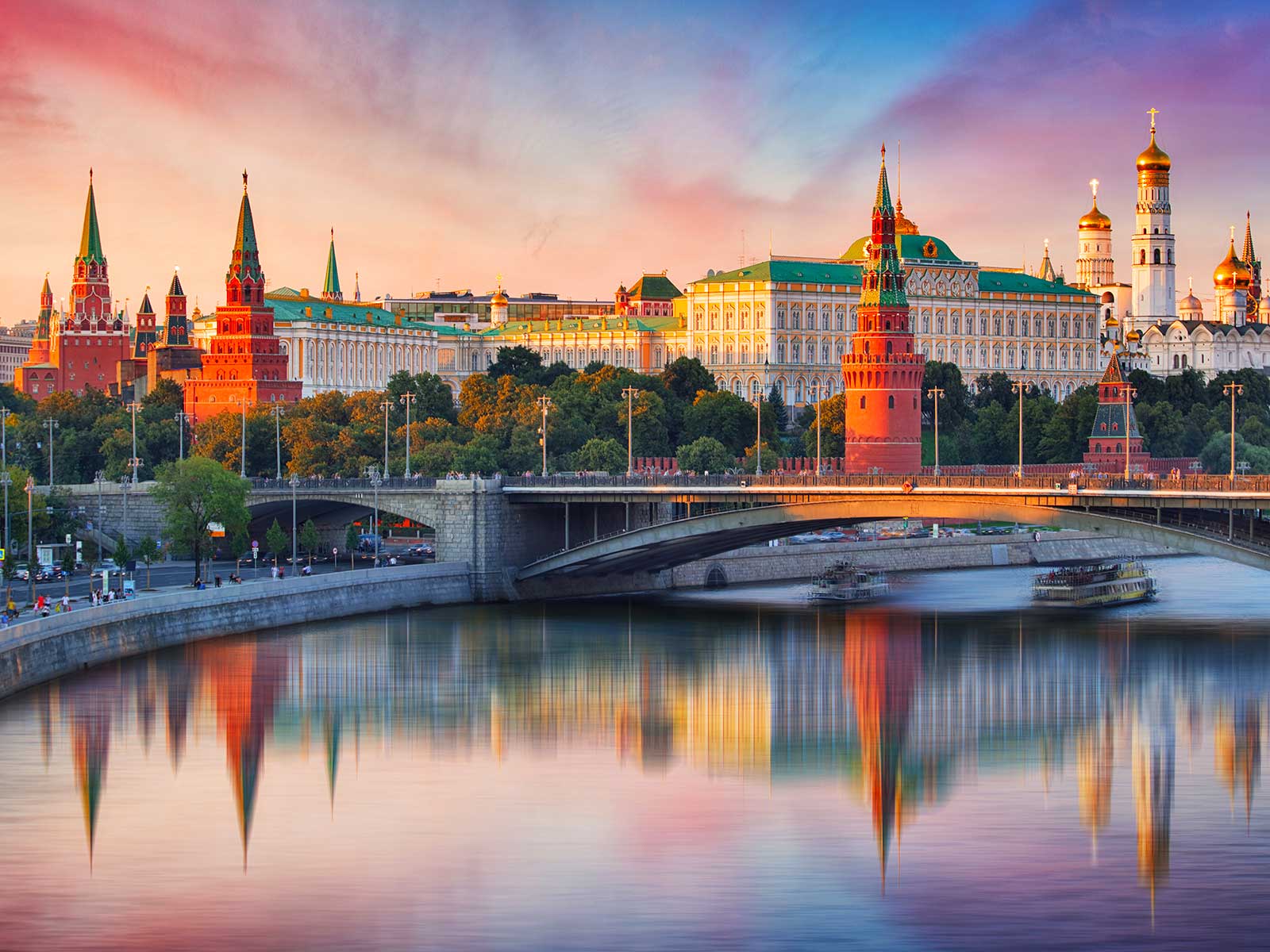
Exploring the Moscow Kremlin: A Visitor's Guide to History and Splendor
Standing majestically at the heart of Moscow, the Kremlin is far more than just a fortress; it is the enduring symbol of Russia itself. This historic walled complex, a UNESCO World Heritage site, encapsulates centuries of Russian power, artistry, and spirituality, offering visitors an unparalleled journey through the nation's rich past.
A Glimpse into Russian History
The Moscow Kremlin's history stretches back to the 12th century when it began as a simple wooden fort on Borovitsky Hill. Over subsequent centuries, it transformed into a formidable stone fortress, the residence of tsars, patriarchs, and eventually, Soviet leaders. Its towering red brick walls and distinctive towers, many crowned with ruby stars, guard a fascinating collection of cathedrals, palaces, and museums that tell the story of Russia's dramatic evolution.
From the early Grand Princes of Muscovy to the Romanov dynasty and the modern Russian Federation, the Kremlin has consistently served as the epicenter of Russian political and religious life. Its architectural styles reflect various historical periods, from ancient Russian to Renaissance influences, brought by Italian architects who helped shape its iconic appearance. Visitors can almost feel the echoes of history within its ancient walls, a testament to its enduring significance.
Navigating the Kremlin Grounds: Key Attractions
A visit to the Kremlin requires careful planning, as its vast grounds house numerous attractions, each worthy of exploration. Most visitors enter through the Kutafya Tower and then cross a bridge to the main Troitskaya Tower, leading directly into the heart of the complex.
Cathedral Square (Sobornaya Ploshchad)
The spiritual heart of the Kremlin, Cathedral Square is encircled by three magnificent cathedrals, each a masterpiece of Russian medieval architecture. This square was historically the site of coronations, royal weddings, and patriarchal funerals.
- Assumption Cathedral (Uspensky Sobor):The oldest and most important of the Kremlin's cathedrals, it served as the coronation church for Russian tsars and emperors. Its gleaming golden domes and frescoed interiors are truly awe-inspiring.
- Archangel Cathedral (Arkhangelsky Sobor):The burial place of Russian grand princes and tsars, including Ivan the Terrible. Its Italian Renaissance-influenced façade stands in contrast to the more traditional Russian style of its neighbors.
- Annunciation Cathedral (Blagoveschensky Sobor):The private chapel of the Moscow grand princes and tsars, known for its nine golden domes and exquisite iconostasis.
Adjacent to the cathedrals is the Ivan the Great Bell Tower, once the tallest structure in Russia, offering panoramic views of Moscow (accessible during certain times). Nearby, the Patriarch's Palace and the Church of the Twelve Apostles provide further insight into the lives of Russia's religious leaders.
The Armory Chamber (Oruzheynaya Palata)
One of the oldest and richest museums in Russia, the Armory Chamber is a treasure trove of royal regalia, ceremonial robes, weapons, and state carriages. Its collection offers a dazzling display of the wealth and artistry of the Russian court. Highlights include the Monomakh's Cap, used in coronation ceremonies, and an impressive collection of Faberge eggs, showcasing the unparalleled skill of Russian jewelers.
Did you know?The Armory Chamber's name is somewhat misleading today. While it once housed actual weapons and armor, its collection expanded over centuries to include diplomatic gifts, royal attire, and ceremonial objects, making it more of a state treasury museum.
The Diamond Fund (Almazny Fond)
A separate exhibition located within the Armory building, the Diamond Fund houses Russia's most precious state jewels, including the Imperial Crown of Russia, Catherine the Great's diamond-encrusted scepter, and the Orlov Diamond. This collection is a testament to Russia's immense mineral wealth and the extraordinary craftsmanship of its jewelers. Access to the Diamond Fund requires a separate ticket and often involves waiting in line, but the glittering displays are well worth the effort.
The Grand Kremlin Palace
While largely inaccessible to general tourists as it serves as the official residence of the President of the Russian Federation, the Grand Kremlin Palace is an imposing structure that can be admired from the outside. Its immense scale and architectural grandeur hint at the power it has housed for centuries. Special tours are occasionally arranged, but they are rare and often require advance booking through specific agencies.
The Great Bell and Tsar Cannon
Two colossal, non-functional artifacts stand as impressive testaments to Russian ambition and engineering. The Tsar Bell (Tsar Kolokol), the largest bell in the world, cracked before it could ever be rung, while the Tsar Cannon (Tsar Pushka), an enormous bombard, was never fired in battle. Both are popular photo opportunities and symbolize the grand scale of Russian historical endeavors.
Practical Visitor Information
To make your visit to the Moscow Kremlin as smooth and enjoyable as possible, consider these practical tips.
Getting There
The Kremlin is easily accessible by Moscow's efficient metro system. The closest stations areBiblioteka Imeni Lenina(red line),Borovitskaya(grey line),Alexandrovsky Sad(light blue line), andOkhotny Ryad(red line). All are within a short walk of the main entrance at Kutafya Tower.
Tickets and Entry
Tickets for the Kremlin grounds, cathedrals, and museums are sold at the ticket offices in the Alexandrovsky Garden, near the Kutafya Tower, or online. It is highly recommended to purchase tickets in advance, especially during peak season, as queues can be long. Note that tickets for the Armory Chamber and the Diamond Fund are separate and often have timed entry slots. Be prepared for security checks upon entry, similar to airport security.
Travel Tip:Allow a minimum of 3-4 hours to explore the main attractions within the Kremlin, and even longer if you plan to visit both the Armory Chamber and the Diamond Fund thoroughly. A guided tour can enhance your understanding of the complex history and significance of each site.
Best Time to Visit
Spring (May) and early autumn (September-October) offer pleasant weather for exploring the outdoor areas of the Kremlin. Weekdays are generally less crowded than weekends. Arriving early in the morning, right after opening, can help you avoid the largest crowds, particularly for popular attractions like the Armory Chamber.
Essential Tips for Your Visit
- Passport:Always carry your passport, as it may be required for identification.
- Comfortable Shoes:You'll be doing a lot of walking on cobblestones and uneven surfaces.
- Photography:Photography is generally allowed in the outdoor areas and some cathedral interiors (without flash), but strictly prohibited in the Armory Chamber and Diamond Fund.
- Dress Code:While not strictly enforced for the general grounds, modest dress is appreciated when entering the cathedrals, especially for women (shoulders and knees covered).
- Food & Drink:There are limited options for food and drink inside the Kremlin, so it's wise to eat beforehand or bring a small snack and water.
Beyond the Kremlin Walls
Your exploration of the Kremlin seamlessly extends to the surrounding areas. Just outside its walls lies the iconic Red Square, home to St. Basil's Cathedral, the State Historical Museum, and Lenin's Mausoleum. The Alexandrovsky Garden, bordering the Kremlin, is a beautiful park perfect for a leisurely stroll and a visit to the Tomb of the Unknown Soldier.
While Moscow offers a deep dive into Russian history, consider exploring other historic sites across the country. The ancient cities of the Golden Ring offer a glimpse into medieval Russia, while Saint Petersburg Old Town showcases imperial grandeur. For those interested in deeper history,Veliky Novgorod offers rich insights into early Russian statehood, and Kazan presents a fascinating blend of Russian and Tatar cultures.
Conclusion
The Moscow Kremlin is an indispensable destination for anyone seeking to understand the soul of Russia. From its ancient cathedrals that witnessed centuries of coronations to its museums brimming with royal treasures, every corner tells a story. A visit here is not just a sightseeing tour; it's an immersive journey into the heart of Russian history, culture, and power, promising an unforgettable experience.