
Best Time to Visit Russia for Every Traveler
Russia, the world's largest country, spans vast landscapes and diverse climates, making the "best" time to visit a truly personal choice. Whether you dream of vibrant city life, serene natural wonders, or a snowy adventure, understanding Russia's seasons is key to planning your perfect trip.
Understanding Russia's Climate and Seasons
Due to its immense size, Russia experiences a wide range of climates, though a continental climate with significant seasonal variations dominates much of the country. Summers are generally warm to hot, while winters can be exceptionally cold, especially in inland and Siberian regions. Spring and autumn offer transitional periods with their own unique charm.
Summer (June - August): The Classic Choice
Summer is undeniably the most popular time to visit Russia, and for good reason. The weather is generally warm and pleasant, daylight hours are long, and the country bursts with activity.
- Pros:Warm temperatures (average 20-25°C in European Russia), long daylight hours (especially the famous White Nights in Saint Petersburg), lush green landscapes, full accessibility to most regions, and a vibrant street life.
- Cons:Peak tourist season means larger crowds, higher demand for accommodation and flights, and potential for very hot days in some southern regions.
Ideal for:
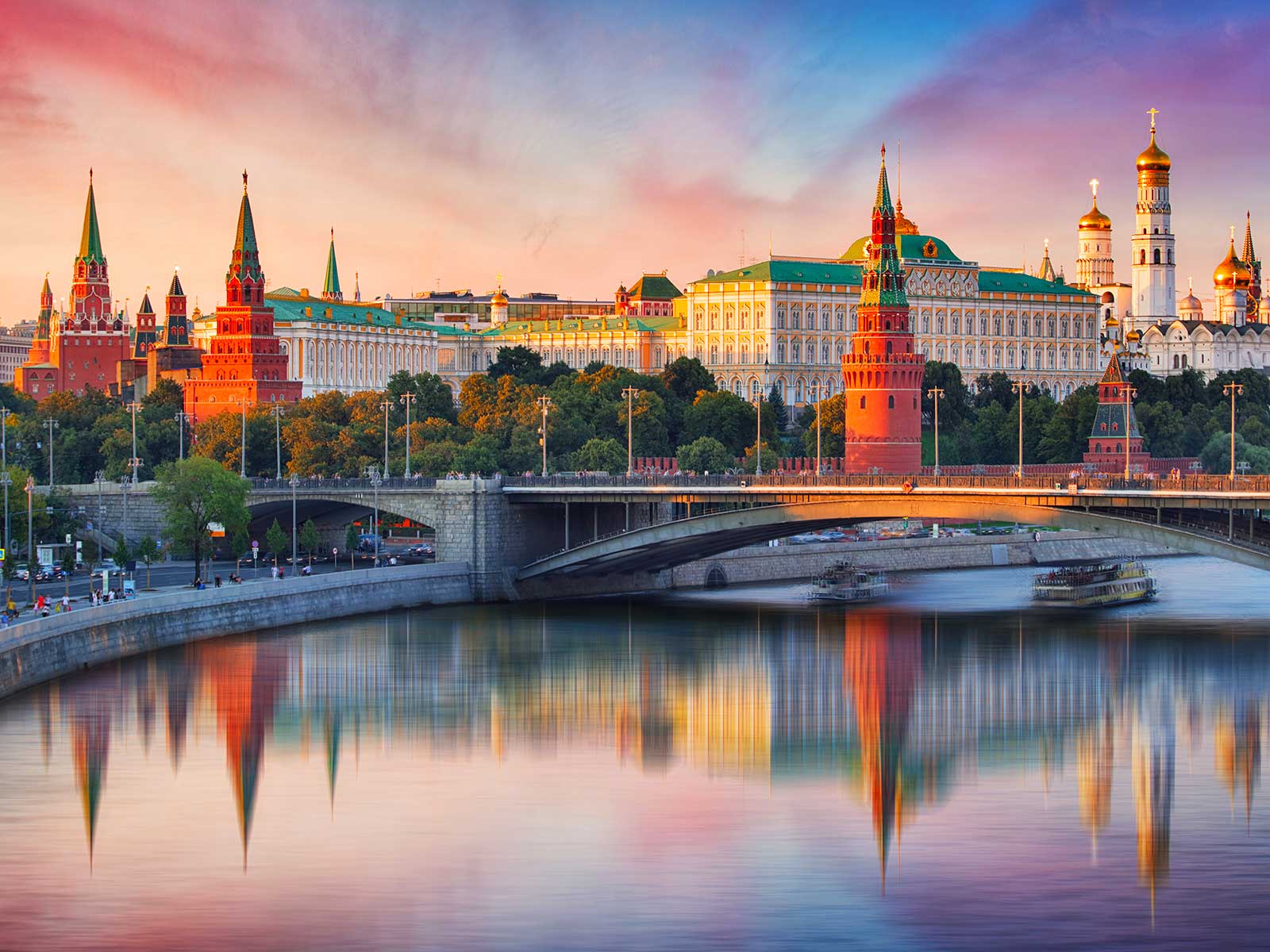
- City Exploration:Wander through the historic streets of Saint Petersburg, marvel at the Moscow Kremlin, or explore the ancient towns of the Golden Ring.
- Nature & Adventure:Experience the pristine beauty of Lake Baikal, perfect for hiking, boating, and swimming. The Altay Mountains offer incredible trekking opportunities, and Stolby Nature Reserve near Krasnoyarsk is ideal for rock climbing and scenic walks.
- Coastal Getaways:Relax on the Black Sea beaches of Sochi.
- Epic Journeys:Embark on the legendary Trans-Siberian Railway, enjoying green landscapes and comfortable temperatures.
Fun Fact:During Saint Petersburg's White Nights (roughly mid-June to early July), the sun barely dips below the horizon, creating a surreal twilight glow around the clock.
Autumn (September - October): Golden Hues and Fewer Crowds
Autumn in Russia is a beautiful and often underrated time to visit, offering a blend of pleasant weather and stunning scenery.
- Pros:Crisp, clear air, breathtaking autumnal foliage, fewer tourists than summer, and often more moderate prices. Early autumn can still be quite mild.
- Cons:Days shorten significantly, and temperatures drop progressively through October, with a higher chance of rain or early snow.
Ideal for:
- Scenic Beauty:The vibrant reds, oranges, and yellows across parks and forests, particularly around Moscow, Saint Petersburg, and the Golden Ring, are spectacular.
- Cultural Immersion:Enjoy museums and galleries without the peak season rush. Cities like Kazan and Yekaterinburg are delightful for city walks.
- Unique Perspectives:Explore the Baltic charm of Kaliningrad or the ancient history of Veliky Novgorod.
Winter (November - March): A Magical Wonderland
For those who embrace the cold, Russian winter offers an undeniably magical and quintessential experience. Think snow-covered domes, ice skating, and cozy evenings.
- Pros:Iconic snowy landscapes, festive atmosphere around New Year and Orthodox Christmas, winter sports, fewer international tourists (outside of holiday peaks), and often lower travel costs.
- Cons:Extreme cold (temperatures can drop well below -20°C in many regions), very short daylight hours, and some remote areas may be inaccessible.
Ideal for:
- Iconic Cityscapes:Witness Moscow's Red Square blanketed in snow or the frozen canals of Saint Petersburg. Enjoy ice skating in Gorky Park or on Lenin Square in other cities.
- Winter Sports:Hit the slopes in Sochi's Krasnaya Polyana resorts.
- Unique Adventures:Experience the incredible ice roads and ice activities on frozen Lake Baikal, a truly once-in-a-lifetime experience.
- Scenic Journeys:The Trans-Siberian Railway takes on a dramatic beauty as it glides through snow-laden forests.
Practical Tip:When visiting Russia in winter, dressing in layers is crucial. Thermal underwear, a warm mid-layer, a heavy winter coat, waterproof boots, a hat, scarf, and gloves are essential for staying comfortable outdoors.
Spring (April - May): Reawakening and Festivals
Spring is a season of transition, as the country shakes off winter's chill and comes back to life. It's a time of thawing, blossoming, and significant national celebrations.
- Pros:Mild temperatures begin to emerge, parks and gardens start to bloom, and the atmosphere is one of optimism. May, in particular, offers pleasant weather and fewer crowds than summer.
- Cons:Early spring can still be quite cold and muddy ("rasputitsa" or thaw-period mud roads can affect rural travel). Weather can be unpredictable.
Ideal for:
- City Walks:Enjoy the parks and boulevards of Moscow, Saint Petersburg, and other cities as they green up.
- Festivals:Experience the grandeur of Victory Day (May 9th) celebrations across the country, particularly in Volgograd, which played a pivotal role in WWII.
- River Cruises:As ice thaws, river navigation opens up, offering unique perspectives of cities.
Cultural Highlight:May 9th, Victory Day, is one of Russia's most important national holidays, marked by military parades, memorial services, and public festivities. It's a powerful experience to witness.
Choosing Your Season Based on Interest
City Exploration & Culture
For exploring historic cities, museums, and architectural marvels like the Moscow Kremlin or Saint Petersburg Old Town, late spring (May), summer (June-August), and early autumn (September) offer the most comfortable weather for walking and outdoor activities. Winter provides a unique, snow-covered backdrop, though with colder temperatures and shorter days. Consider destinations like Kazan,Yekaterinburg, and Veliky Novgorod for rich cultural experiences any time of year.
Nature & Adventure
For hiking, trekking, and exploring natural wonders such as Altay or Stolby Nature Reserve, summer is paramount.Lake Baikal offers incredible hiking and water activities in summer, and utterly unique ice adventures in winter. The remote Lena Pillars are best visited in the summer or early autumn by boat. For skiing and snowboarding, winter in Sochi is the prime time.
Trans-Siberian Journey
The Trans-Siberian Railway offers a different charm in every season. Summer provides clear views of green landscapes and easier stopovers in cities like Irkutsk and Vladivostok. Winter transforms the journey into a magical snowscape, though stopovers will be colder. Spring and autumn offer a blend of both, with fewer crowds.
Unique Experiences
- White Nights:June in Saint Petersburg.
- Ice Driving/Skating:January-March on Lake Baikal.
- Victory Day Celebrations:May 9th nationwide, especially prominent in Moscow and Volgograd.
- Arctic Exploration:For the truly adventurous, summer is the only viable time to explore Russia's far northern regions, including destinations like the Solovetsky Islands.
- Ancient Wonders:The "City of the Dead" at Dargavs is accessible in warmer months.
General Travel Tips
Regardless of when you decide to visit, always account for visa processing times, which can be lengthy. Book accommodations and popular train routes (like the Trans-Siberian Railway) well in advance, especially during peak summer or holiday periods. Pack appropriately for the season, remembering that even summer evenings can be cool, and winter requires serious layering.
Conclusion
Russia is a country of incredible contrasts, offering a vast array of experiences that shift dramatically with the seasons. From the sun-drenched cities and natural wonders of summer to the enchanting snowscapes of winter, there's truly a "best time" for every type of traveler. By aligning your interests with the seasonal offerings, you're sure to create an unforgettable Russian adventure.