
Best Time to Visit Romania: Transylvania & Black Sea
Romania, a land of enchanting legends, dramatic landscapes, and vibrant culture, offers a unique travel experience throughout the year. Deciding when to visit largely depends on what you hope to see and do, particularly whether your journey takes you through the mystical castles of Transylvania or the sunny shores of the Black Sea.
Understanding Romania's Climate
Romania experiences a temperate-continental climate, characterized by four distinct seasons. Summers are generally warm to hot, especially in the south and along the coast, while winters are cold with significant snowfall, particularly in mountainous regions. Spring and autumn offer milder temperatures and transitional beauty, making them popular choices for many travelers. Regional variations are notable: Transylvania, nestled amidst the Carpathian Mountains, often sees cooler temperatures and more pronounced seasonal changes than the coastal areas along the Black Sea.
Transylvania: A Seasonal Guide
The heart of Romania, Transylvania, is a region synonymous with medieval towns, fortified churches, and dramatic castles. Its mountainous terrain dictates a climate that can vary significantly from season to season.
Spring (April - May)
As winter's chill recedes, Transylvania awakens in a burst of green. Spring brings mild temperatures, blooming wildflowers, and a refreshing crispness to the air. While early spring can still be cool and prone to rain, by May, the weather is often ideal for sightseeing.
- Activities:Explore the charming streets of Sighișoara, a UNESCO World Heritage site, or the bustling city centers of Cluj-Napoca and Braşov. Visit iconic landmarks like Bran Castle and the opulent Peles Castle before the summer crowds arrive. Hiking trails begin to open up in the lower altitudes, offering spectacular views of the awakening landscape.
- Pros:Fewer tourists, lush scenery, pleasant temperatures for walking and exploring.
- Cons:Unpredictable weather, especially in April, with a chance of cooler days and showers. Mountain roads might still be partially closed.
Summer (June - August)
Summer is peak season in Transylvania, offering warm, sunny days perfect for outdoor adventures. Temperatures can be hot in the valleys, but the mountains remain refreshingly cool.
- Activities:This is the prime time for driving the spectacular Transfăgărășan highway, which typically opens from late June or early July until late October. Experience the stunning glacial lake,Bâlea Lake, at the road's summit. Mountain hiking, trekking, and exploring national parks are popular. Many towns host cultural festivals and outdoor events.
- Pros:Best weather for all outdoor activities, long daylight hours, vibrant atmosphere.
- Cons:Larger crowds at popular attractions, higher demand for accommodation, can be very warm in lower altitudes.
Autumn (September - October)
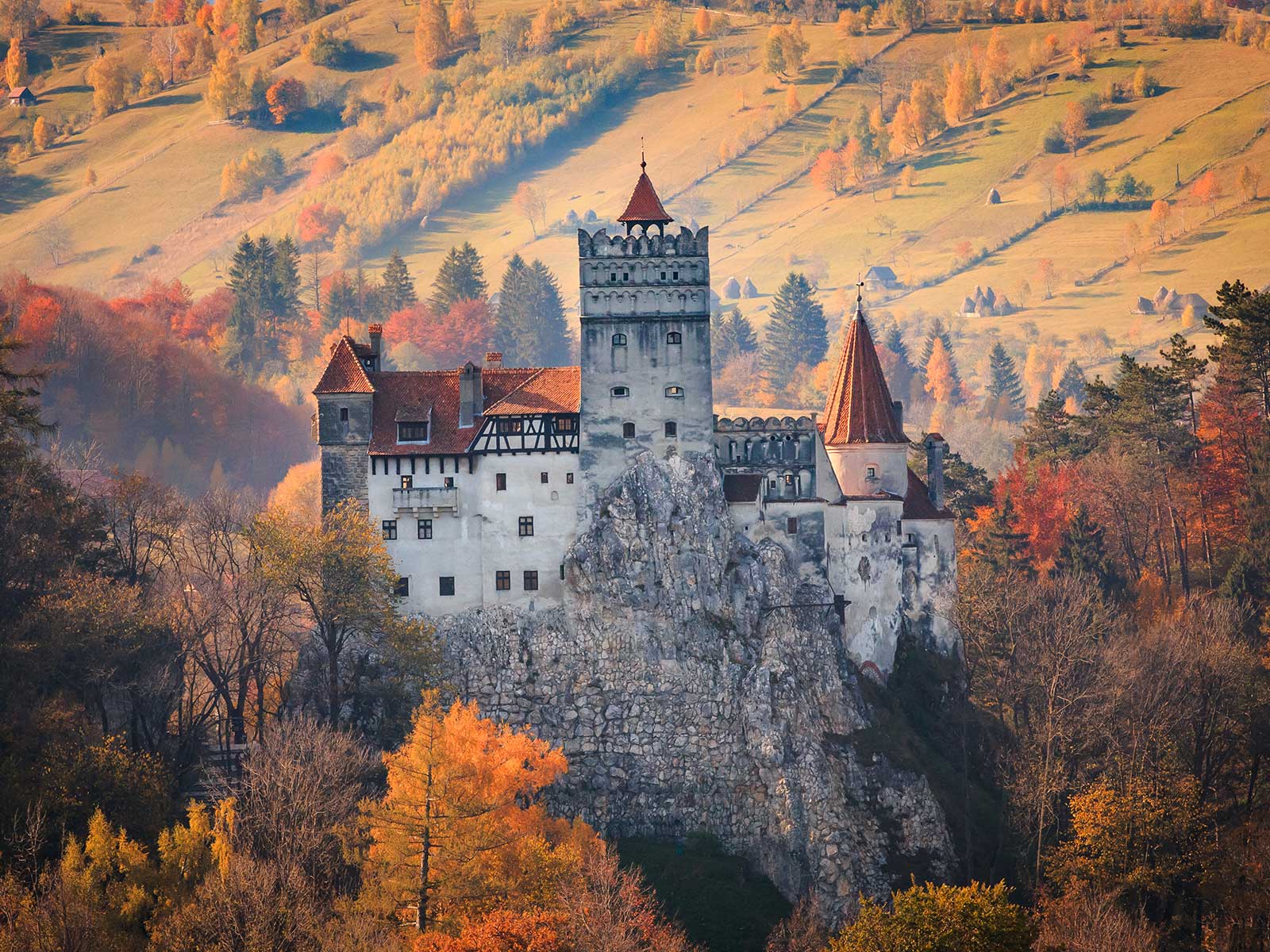
Many consider autumn the most beautiful time to visit Transylvania. The landscapes transform into a breathtaking palette of fiery reds, golden yellows, and deep oranges. The air is crisp, and temperatures are pleasantly cool.
- Activities:Ideal for photography, scenic drives, and exploring the region's rich history without the summer heat. Enjoy leisurely walks through medieval towns or visit vineyards for wine tasting. The mild weather is perfect for visiting castles and fortresses.
- Pros:Stunning foliage, comfortable temperatures, fewer crowds than summer, excellent for cultural tours and photography.
- Cons:Shorter daylight hours, and mountain roads like Transfăgărășan may close towards the end of October due to snow.
Travel Tip:For the most vibrant autumn colors, aim for the second half of September into early October in Transylvania.
Winter (November - March)
Winter in Transylvania is a magical, snowy affair, transforming the region into a picturesque wonderland. Temperatures drop below freezing, and snowfall is common.
- Activities:Winter sports enthusiasts flock to ski resorts like Poiana Brașov. Experience the unique The Hotel of Ice near Bâlea Lake(accessible via cable car in winter). Christmas markets in cities like Braşov and Bucharest create a festive atmosphere. Castles take on an eerie, majestic beauty under a blanket of snow.
- Pros:Winter sports, festive Christmas markets, enchanting snowy landscapes, fewer tourists at non-ski destinations.
- Cons:Very cold temperatures, shorter daylight, some roads may be inaccessible, limited outdoor activities beyond winter sports.
The Black Sea Coast: A Seasonal Guide
Romania's Black Sea coast, with its sandy beaches and lively resorts, is a popular summer destination, offering a different vibe from Transylvania.
Spring (April - May)
The Black Sea coast slowly comes to life in spring. While the sea is too cold for swimming, the weather becomes milder and more pleasant for exploration.
- Activities:Enjoy peaceful walks along the beaches, explore the historic port city of Constanța, including the iconic Casino Constanta. Birdwatching opportunities abound, especially in nearby wetlands and the Danube Delta as migratory birds return.
- Pros:Tranquil atmosphere, pleasant temperatures for sightseeing, nature in bloom.
- Cons:Sea too cold for swimming, many tourist facilities in resorts are still closed or operating on reduced hours.
Summer (June - August)
Summer is undeniably the best time for a beach holiday on the Black Sea. The weather is hot and sunny, perfect for swimming and sunbathing, and the resorts are buzzing with activity.
- Activities:Spend your days relaxing on the wide sandy beaches of Mamaia or other resorts. Engage in water sports, enjoy vibrant nightlife, and dine at numerous beachfront restaurants. This is also an excellent time to visit the Danube Delta for boat trips and wildlife viewing, though it can be very hot.
- Pros:Ideal beach weather, lively atmosphere, full range of services and entertainment.
- Cons:Crowded beaches and resorts, higher demand for accommodation, can be very hot, especially in July and August.
Autumn (September - October)
Early autumn can still be a pleasant time to visit the Black Sea coast. The intense heat of summer subsides, but the sea often remains warm enough for swimming until mid-September. The crowds thin out significantly.
- Activities:Enjoy relaxed beach strolls, visit ancient ruins near Constanța, or take a peaceful boat trip through the Danube Delta to witness bird migrations.
- Pros:Quieter beaches, comfortable temperatures, still possible for swimming early in the season, good for exploring.
- Cons:Resorts begin to wind down by late September, with many facilities closing for the season.
Winter (November - March)
The Black Sea coast is not a winter destination for most travelers. The weather is cold, often windy, and can see occasional snow. Most tourist facilities are closed.
- Activities:A quiet time for introspective walks along deserted beaches or exploring the city of Constanța for its historical sites and museums without any crowds.
- Pros:Extremely quiet, ideal for those seeking solitude.
- Cons:Cold, bleak weather, most attractions and facilities are closed, limited activities.
General Considerations for Your Romania Trip
When planning your trip, consider these broader points:
- Shoulder Seasons (April-May & September-October):These offer the best balance across Romania. You'll find pleasant weather, fewer crowds, and often better value for flights and accommodation. They are ideal for combining cultural exploration with some outdoor activities.
- Peak Season (July-August):While offering the warmest weather, especially perfect for the Black Sea, expect higher tourist numbers and potentially higher prices for popular attractions and accommodations. Booking well in advance is essential.
- Off-Season (November-March):This is the time for winter sports, festive markets, and a more introspective cultural experience. If you enjoy snow and cozy atmospheres, it can be wonderfully charming, but be prepared for cold temperatures and limited access to some outdoor areas.
- Festivals and Events:Romania hosts numerous festivals throughout the year, from medieval reenactments in Sighișoara to music festivals in Cluj-Napoca and Christmas markets in Bucharest. Checking a local events calendar can help you time your visit for a specific cultural experience.
Combining Transylvania and the Black Sea
If your itinerary includes both Transylvania and the Black Sea coast, theshoulder seasons, particularlylate May-early Juneorearly September, are often the most practical. During these times, Transylvania offers beautiful scenery and comfortable sightseeing weather, while the Black Sea coast is either just warming up for swimming or still pleasant enough for beach activities without the peak summer crowds. This allows for a harmonious blend of cultural exploration and coastal relaxation.
Conclusion
Romania is a country that truly shines in every season, offering diverse experiences tailored to different preferences. Whether you dream of snow-dusted castles, sun-drenched beaches, vibrant autumn forests, or blooming spring meadows, timing your visit to Transylvania and the Black Sea region according to your interests will ensure an unforgettable journey.