
The Rich History of Qatar: From Ancient Roots to Modern Marvels
Qatar, a nation synonymous with futuristic skylines and rapid development, possesses a history as deep and intricate as its desert sands. From ancient settlements sustained by the sea to a global powerhouse shaped by energy, its story is a compelling journey of transformation. Explore the fascinating evolution of this Arabian Peninsula gem, understanding the foundations upon which its modern marvels are built.
Ancient Origins and Early Settlements
Long before towering skyscrapers dotted the horizon, the land that is now Qatar was a cradle of human activity. Archaeological discoveries, including flint tools and pottery shards, indicate human presence dating back over 600,000 years. Evidence from the Neolithic period points to settled communities engaged in fishing, hunting, and primitive agriculture. Qatar’s strategic location along ancient trade routes in the Arabian Gulf meant it was influenced by various regional powers, including the Dilmun civilization, Mesopotamia, and later, the Persian Empire.
The peninsula's harsh interior climate meant that early life revolved around its coastline. Pearl diving and fishing were the lifeblood of these communities, a tradition that would sustain the region for millennia. Coastal villages thrived, their inhabitants mastering the sea's bounty and trading networks.
The Rise of Islam and Tribal Dynasties
The 7th century marked a pivotal moment for Qatar with the arrival of Islam. The region swiftly embraced the new faith, becoming an integral part of the expanding Islamic caliphate. Over subsequent centuries, Qatar remained largely a collection of tribal sheikhdoms, often under the nominal suzerainty of various regional empires, including the Abbasids, Umayyads, and later, the Ottomans and Safavids.
By the 18th century, the powerful Bani Utbah tribal confederation, which included the Al Khalifa family, established a significant presence, controlling parts of Qatar and Bahrain. However, it was the Al Thani family, originating from the Tamim tribe, who gradually consolidated their influence in the mid-19th century, laying the groundwork for the modern state. Their leadership proved crucial during a period of intense regional rivalries and foreign interventions.
Fun Fact:The Al Thani family traces its lineage back to Mureik ibn Mohammad ibn Ali, who settled in the oasis of Jubail in northern Qatar in the 17th century, eventually moving to Al Bidda (modern-day Doha) in the 19th century.
The British Protectorate and Pearl Trade Decline
As the British Empire expanded its influence in the Gulf to secure its trade routes to India, Qatar found itself drawn into a new geopolitical order. Following a series of treaties, notably the Anglo-Ottoman Convention of 1913, and subsequent agreements, Qatar officially became a British protectorate in 1916. This period brought a degree of stability but also saw the traditional pearl trade, the backbone of Qatar's economy, face an existential threat.
The 1920s brought the devastating blow of cultured pearls from Japan. The global market for natural pearls collapsed, plunging Qatar into an economic depression. Many Qatari families, whose livelihoods depended on pearl diving, faced immense hardship, forcing the region to seek new economic avenues. This era of struggle inadvertently paved the way for the nation's next great transformation.
The Discovery of Oil and Path to Independence
Hope arrived in the late 1930s with the discovery of vast oil reserves in the Dukhan field. Commercial production began in 1949, and within years, oil revenues began to transform Qatar’s fortunes. The influx of wealth allowed for significant investments in infrastructure, education, and healthcare, laying the foundation for a modern state.
With Britain's decision to withdraw from its East of Suez commitments, Qatar declared its full independence on September 3, 1971. Under the leadership of Sheikh Khalifa bin Hamad Al Thani, the newly independent state embarked on an ambitious journey of nation-building, focusing on developing its oil and gas industries and improving the quality of life for its citizens.
Modern Qatar: Vision and Development
The decades following independence have witnessed Qatar's meteoric rise on the global stage. Leveraging its immense natural gas reserves (the world's third-largest), Qatar has become a major energy exporter and a significant player in international diplomacy. The nation has pursued a bold vision of diversification, investing heavily in education, healthcare, tourism, and culture to create a knowledge-based economy.
This modern era has seen the construction of iconic landmarks and institutions. The National Museum of Qatar, with its stunning desert rose architecture, tells the story of the nation from ancient times to the present. The Museum of Islamic Art stands as a testament to the rich artistic heritage of the Islamic world, beautifully situated on the MIA Park overlooking the bay. The The 7 Sculpture, an iconic work by Richard Serra, further cements Qatar's commitment to public art.
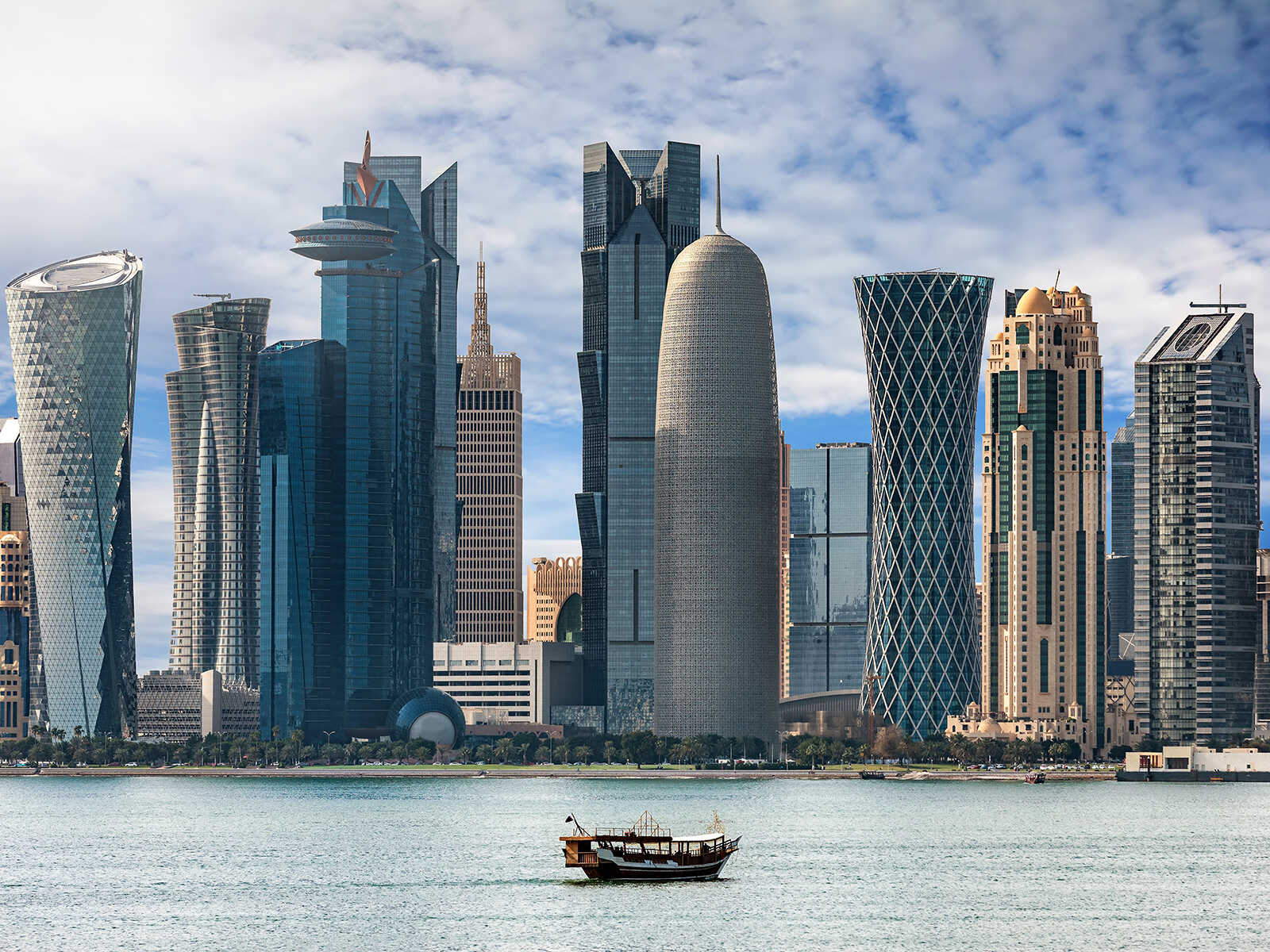
Urban development has been rapid and visionary, with projects like The Pearl-Qatar offering luxurious living and the futuristic city of Lusail continuing to expand. The Doha Corniche, a beautiful waterfront promenade, links many of these modern marvels while offering views of the city's dynamic skyline.
Cultural Highlights and Historical Sites to Explore
Despite its rapid modernization, Qatar proudly preserves and celebrates its heritage. Visitors can immerse themselves in the past at several key locations:
- Souq Waqif:Step back in time at this vibrant traditional market. Its winding alleyways, spice stalls, falcon shops, and traditional eateries offer a sensory journey into Qatar's past, reflecting the bustling trade that characterized ancient Doha.
- Katara Cultural Village:A unique project dedicated to showcasing Qatar's rich cultural heritage. Here, you can explore traditional Qatari architecture, visit art galleries, enjoy performances, and see the impressive The Golden Masjid. It's a place where tradition meets contemporary cultural expression.
- Al Zubarah Fort:A UNESCO World Heritage Site, this 18th-century fort and the surrounding archaeological site offer a glimpse into a once-thriving pearl fishing and trading town. It's one of the best-preserved examples of an 18th-19th century merchant town in the Gulf region.
- Barzan Towers:Located north of Doha, these historical watchtowers, built in the late 19th century, were originally used to protect water sources and observe pearl divers. They offer panoramic views of the surrounding area and a tangible link to Qatar's defensive past.
From the ancient petroglyphs etched into its rocks to the soaring architecture that defines its capital, Qatar offers a captivating narrative of resilience, ambition, and cultural richness. Its journey from a humble pearl-diving nation to a global hub is a testament to its enduring spirit and forward-looking vision. Exploring Qatar's history is not just about understanding its past; it's about appreciating the deep roots that nourish its modern marvels.