
Museum of Islamic Art (MIA): A Guide to Its Collections & Waterfront Views
Standing majestically on its own purpose-built island off the Doha Corniche, the Museum of Islamic Art (MIA) is not just a repository of historical treasures but a masterpiece of modern architecture. This iconic institution offers visitors an unparalleled journey through centuries of Islamic art, complemented by breathtaking panoramic views of the Arabian Gulf and Doha's evolving skyline.
An Architectural Marvel by I.M. Pei
The MIA building itself is a profound work of art, designed by the Pritzker Prize-winning architect I.M. Pei, who famously emerged from retirement at 91 to undertake the project. Inspired by the austere beauty of the Sahn (ablution fountain) of the Ibn Tulun Mosque in Cairo, Pei crafted a structure that is both contemporary and deeply rooted in Islamic tradition. The museum’s exterior, clad in pristine cream-colored limestone, changes subtly with the shifting sunlight, revealing intricate geometric patterns and a sense of timeless elegance.
Approaching the museum, visitors are greeted by a grand promenade leading to its imposing entrance. Inside, the vast, light-filled atrium soars to a height of 45 meters, crowned by a magnificent oculus that filters natural light, creating a serene and contemplative atmosphere. The design masterfully blends traditional Islamic elements, such as geometric motifs and arches, with minimalist modern aesthetics, creating a truly unique and memorable space.
Exploring the Collections: A Journey Through Islamic Heritage
The MIA houses one of the world's most comprehensive collections of Islamic art, spanning over 1,400 years and representing diverse cultures from across the Islamic world. The artifacts are meticulously curated and displayed across three floors, guiding visitors through a rich tapestry of history, craftsmanship, and artistic expression.
Diverse Holdings and Masterpieces
The museum’s permanent collection comprises over 15,000 objects, showcasing the artistic achievements of Islamic civilizations from the 7th to the 19th centuries. Key categories include:
- Ceramics and Glass:Exquisite pottery, tiles, and glasswork from Persia, Iraq, Syria, Egypt, and Turkey, including renowned Iznik ceramics.
- Metalwork:Intricately engraved and inlaid bronze, silver, and gold objects, ranging from utilitarian items to ceremonial pieces.
- Textiles and Carpets:A rich display of woven fabrics, embroidered pieces, and luxurious carpets that reflect regional styles and techniques.
- Manuscripts:Rare Qur'an folios, illuminated texts, scientific treatises, and miniature paintings, offering insights into Islamic scholarship and artistry.
- Jewelry:Dazzling collections of personal adornments, highlighting the skill of Islamic jewelers.
- Scientific Instruments:Astrolabes, globes, and other scientific tools demonstrating the advanced knowledge and contributions of Islamic scholars to astronomy, mathematics, and medicine.
Each gallery is designed to provide context and tell a story, allowing visitors to appreciate the cultural and historical significance of each artifact. The collection’s geographical breadth extends from Spain and North Africa in the west, through the Middle East, to Central Asia and India in the east.
Did You Know?The MIA's collection includes one of the earliest known astrolabes, a sophisticated astronomical instrument used for navigation and timekeeping, showcasing the scientific prowess of the Islamic Golden Age.
Temporary Exhibitions and Educational Programs
Beyond its permanent collection, the MIA regularly hosts engaging temporary exhibitions that delve deeper into specific themes, artists, or historical periods of Islamic art. These exhibitions often feature artifacts on loan from other prestigious institutions worldwide, offering fresh perspectives and unique viewing opportunities.
The museum is also a vibrant educational hub, offering a range of programs for all ages, including workshops, lectures, and guided tours. These initiatives aim to foster a deeper understanding and appreciation of Islamic art and culture.
Waterfront Views and the Serenity of MIA Park
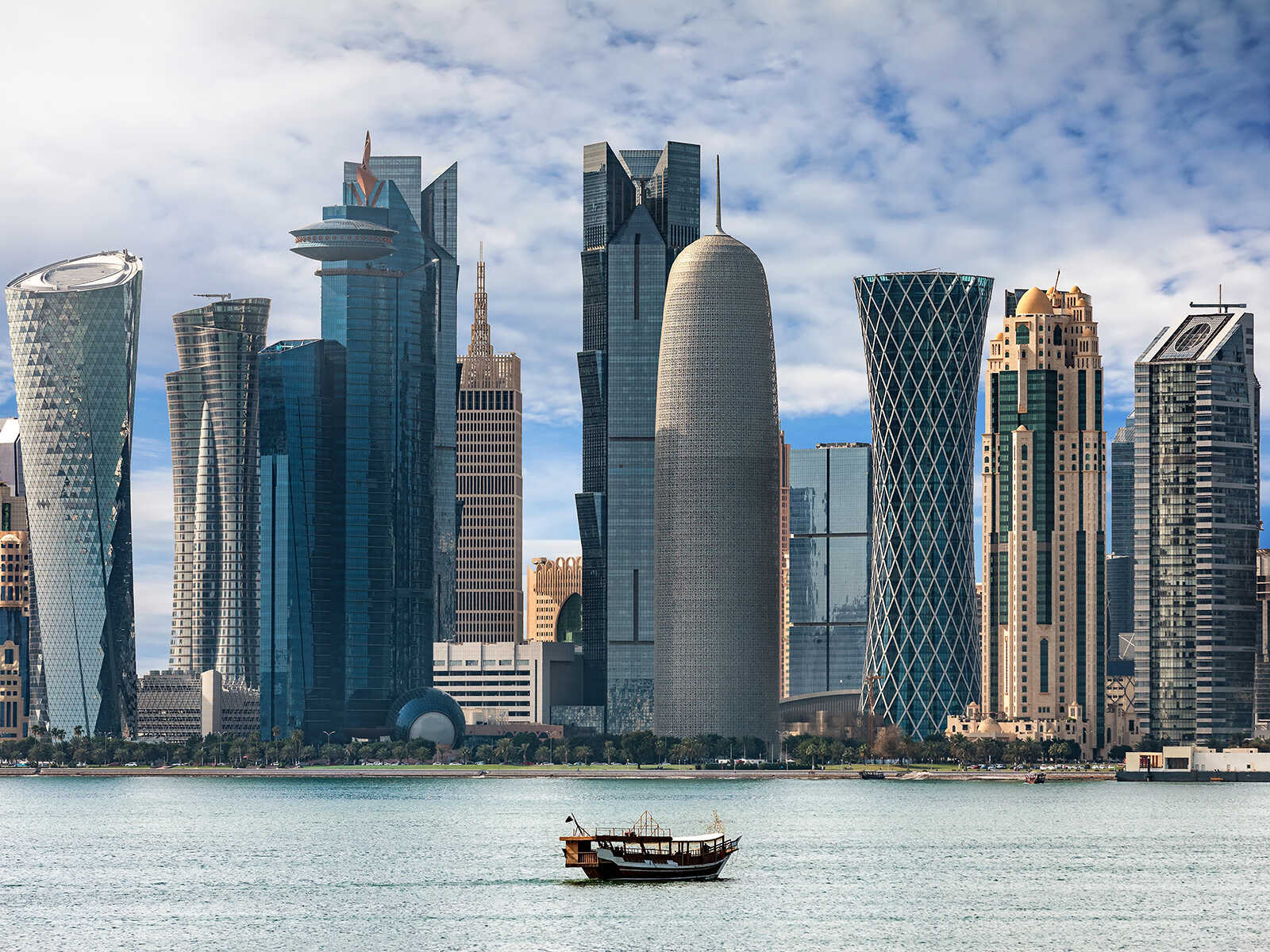
One of the most compelling aspects of visiting the Museum of Islamic Art is its spectacular location. Situated on its own artificial peninsula, the museum offers unparalleled views across the Arabian Gulf towards the modern skyscrapers of Doha's West Bay. From the museum's windows and terraces, visitors can enjoy breathtaking vistas, particularly at sunrise or sunset when the city lights begin to twinkle.
Adjoining the museum is the expansive MIA Park, a beautifully landscaped green space that extends along the Doha Corniche. The park provides a perfect complement to the museum visit, offering a tranquil environment for relaxation, picnics, and family activities. Visitors can stroll along its pathways, enjoy a coffee at one of the cafes, or simply take in the fresh sea air.
The park is also home to The 7 Sculpture by Richard Serra, a striking contemporary art installation that stands majestically at the end of the promenade, adding another layer of artistic depth to the waterfront experience.
Planning Your Visit: Practical Tips
To make the most of your visit to the Museum of Islamic Art, consider these practical tips:
- Location:The MIA is conveniently located near other major attractions. It's a short walk or taxi ride from Souq Waqif and the National Museum of Qatar, making it easy to combine visits.
- Best Time to Visit:Weekday mornings are generally less crowded, allowing for a more serene experience. Aim to arrive shortly after opening to have ample time to explore the vast collections.
- Photography:Photography is generally permitted for personal use in most areas, but flash photography and tripods may be restricted. Always check current guidelines upon entry.
- Dress Code:While there isn't a strict dress code, it's advisable to dress modestly out of respect for local culture. Shoulders and knees should generally be covered.
- Facilities:The museum offers several amenities, including a museum shop with unique souvenirs, cafes, and prayer rooms. The MIA Park also has kiosks and a café.
- Accessibility:The museum is fully accessible, with ramps and elevators available for visitors with mobility needs.
A Cultural Jewel of Qatar
The Museum of Islamic Art is more than just a museum; it's a profound cultural experience that bridges centuries of history with contemporary design. Whether you're an art enthusiast, an architecture admirer, or simply seeking a tranquil escape with stunning views, MIA offers a captivating journey. It stands as a testament to Qatar's commitment to preserving and celebrating Islamic heritage, making it an essential stop on any itinerary to Doha.