
The Best Time to Visit Portugal: A Month-by-Month Guide
Portugal, a captivating country on the Iberian Peninsula, offers an incredible array of experiences, from sun-drenched beaches to historic cities and lush national parks. Deciding the best time to visit often depends on your interests, as each season brings its own unique charm and suitable activities.
This comprehensive guide breaks down what to expect month by month, helping you plan your perfect Portuguese adventure.
Understanding Portugal's Climate
Portugal boasts a diverse climate, largely Mediterranean, but influenced by the Atlantic Ocean. Generally, summers are hot and dry, especially inland, while winters are mild and wet, particularly in the north. The Algarve in the south enjoys more sunshine year-round, while the mountainous regions like Serra da Estrela experience colder temperatures and snow.
Portugal Month-by-Month: Your Ideal Visit
January: Winter Charm and City Escapes
January is Portugal's coldest month, often characterized by crisp air and occasional rain, especially in the north. This is the off-season, meaning fewer crowds and lower prices. It's an excellent time for cultural exploration in cities like Lisbon and Porto, where you can enjoy museums, Fado shows, and cozy cafes without the summer rush. For winter sports enthusiasts, the Serra da Estrela mountains offer Portugal's only ski resort.
- Pros:Fewer tourists, quieter cities, potential for snow in mountains.
- Cons:Cooler temperatures, higher chance of rain.
February: Carnival Festivities and Awakening Spring
February sees a slight warming trend, though it remains cool. The highlight is Carnival, celebrated with vibrant parades and parties across the country, most notably in Loulé in the Algarve, but also in cities like Lisbon and Porto. It's still a good month for exploring historical sites such as Evora without the summer crowds.
Tip:Carnival dates vary each year, falling in February or early March. Book accommodation in advance if you plan to attend the main festivities.
March: Blooming Landscapes and Mild Exploration
Spring truly begins in March, with increasing sunshine and rising temperatures. The countryside starts to bloom, making it a beautiful time for hiking and exploring natural parks like Peneda-Gerês National Park. City sightseeing remains pleasant, with comfortable temperatures ideal for walking tours in Sintra or Braga before the summer heat.
- Pros:Mild weather, blooming landscapes, fewer crowds than peak season.
- Cons:Still a chance of spring showers, especially early in the month.
April: Easter Traditions and Pleasant Weather
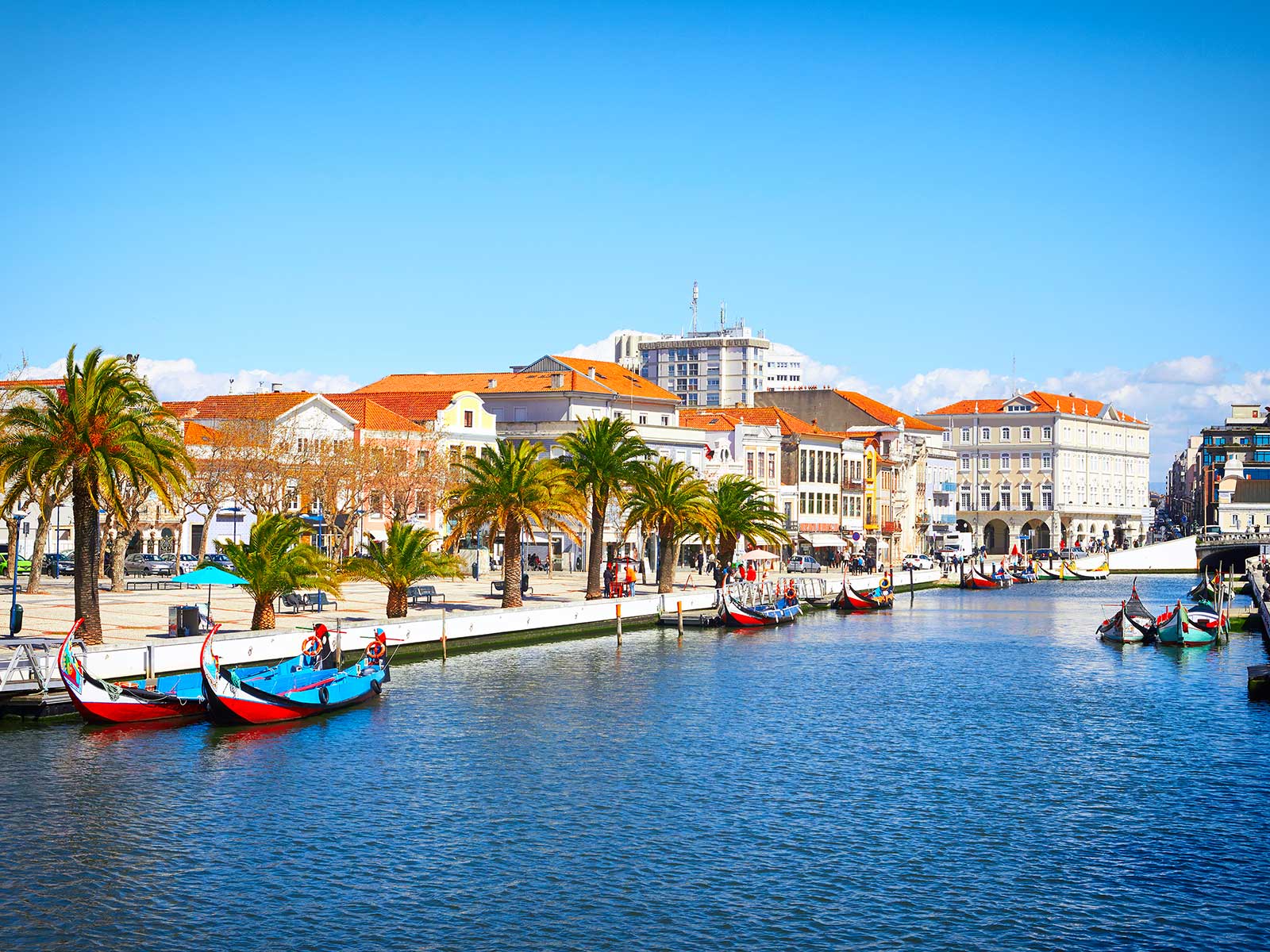
April offers wonderfully mild and sunny weather, perfect for almost any activity. The country celebrates Easter (Páscoa) with various religious processions and traditions, particularly in the north. It’s an ideal time for exploring coastal towns like Aveiro or historical gems such as Coimbra. Tourist numbers begin to pick up, especially around Easter.
May: Pre-Summer Bliss and Outdoor Adventures
Often considered one of the best months to visit, May brings consistently warm and sunny weather without the intense heat or crowds of summer. It’s perfect for beach days in the Algarve, surfing in Ericeira, or exploring the dramatic landscapes of Madeira, known for its vibrant flower festivals. All regions are highly accessible and enjoyable.
June: Festive Atmosphere and Summer Kick-off
June marks the start of summer, with hot, dry weather across most of the country. This month is famous for its vibrant Popular Saints festivals (Festas dos Santos Populares), particularly Santo António in Lisbon and São João in Porto. These lively street parties feature music, dancing, grilled sardines, and a truly authentic Portuguese experience. Beaches become popular, though not yet at their peak crowds.
July: Peak Summer Heat and Beach Holidays
July is hot, dry, and bustling. The Algarve beaches are in full swing, and coastal areas are vibrant with tourists. While excellent for sunbathing and swimming, inland temperatures can be very high, making extensive city sightseeing challenging during midday. Surfing is popular along the west coast, including Ericeira and the famous big-wave spot Nazare.
August: Hottest Month and Holiday Crowds
August is the hottest and busiest month in Portugal, as many Europeans and Portuguese take their summer holidays. Expect crowded beaches, higher accommodation prices, and lively nightlife, especially in popular coastal resorts. If you enjoy a vibrant, energetic atmosphere and don't mind the heat, this is the time for classic beach holidays. For those seeking cooler temperatures, the island of Madeira offers a milder climate.
September: Indian Summer and Harvest Flavors
September offers a delightful "Indian summer," with warm, sunny weather but fewer crowds than July and August. The sea remains warm enough for swimming, making it ideal for beach lovers who prefer a calmer atmosphere. It's also harvest season in the Douro Valley, perfect for wine tours near Porto. Cultural sites like Óbidos and Monsanto are particularly pleasant to explore.
October: Autumn Colors and Cultural Exploration
October brings cooler, yet still mild and sunny, autumn weather. The landscapes transform with beautiful fall colors, especially in central and northern Portugal. This is an excellent month for cultural touring, hiking, and enjoying Portugal's gastronomy. Cities like Coimbra and Braga are wonderful to explore, offering a peaceful experience before the winter sets in.
November: Quieter Retreats and Culinary Delights
November sees temperatures drop further, with an increased chance of rain, particularly towards the end of the month. It's the quietest month for tourism, offering a chance to experience local life without distractions. This is a great time for culinary tourism, enjoying hearty Portuguese dishes and regional wines, or exploring museums and indoor attractions in Lisbon and Porto.
December: Festive Cheer and Winter Warmth
December is cool and often damp, but the festive spirit brightens the atmosphere. Christmas markets pop up in major cities, and New Year's Eve celebrations are particularly spectacular in Madeira(Funchal) and Lisbon. While not beach weather, the milder southern Algarve can still offer pleasant days for coastal walks or golf. It’s a magical time to experience Portugal's holiday traditions.
Choosing Your Ideal Time
Ultimately, the best time to visit Portugal depends on your priorities:
- For Beaches & Sun:June, July, August (expect crowds and heat). September (warmer sea, fewer crowds).
- For Sightseeing & Culture:March, April, May, October (mild weather, fewer crowds). January, February, November, December (coldest, but very quiet).
- For Hiking & Nature:March, April, May, September, October (pleasant temperatures, beautiful landscapes).
- For Surfing:Year-round, but autumn and winter offer the biggest waves in places like Nazare, while summer is great for beginners in Ericeira.
- For Festivals:June (Popular Saints), February/March (Carnival).
No matter when you choose to go, Portugal's diverse beauty and warm hospitality are sure to leave a lasting impression.