
Portugal in Summer: Coastal Crowds & Inland Alternatives
Portugal in summer is an irresistible magnet, drawing visitors with its golden beaches, vibrant cities, and endless sunshine. While the allure of the coast is undeniable, it also brings significant crowds, especially during peak months. This guide helps you navigate the bustling shores and discover the tranquil, authentic charm of Portugal's lesser-known inland gems.
The Allure and Reality of Portugal's Summer Coasts
From the rugged cliffs of the south to the sandy stretches near the capital, Portugal's coastline is legendary. Summer transforms these areas into lively hubs of activity, perfect for sunbathing, swimming, and enjoying fresh seafood. The atmosphere is electric, with long days giving way to warm evenings filled with outdoor dining and festivities.
Popular Coastal Destinations & What to Expect
The Algarve region stands as Portugal's quintessential summer destination. Its stunning beaches, picturesque coves, and family-friendly resorts attract millions, making it exceptionally busy from June to September. While beautiful, expect popular spots like Praia da Rocha or Praia da Marinha to be packed, especially in August.
Near Lisbon, the beaches of Cascais and Estoril are easily accessible and consequently, very popular. Further north, the coastal areas around Porto also see a surge in visitors, though perhaps slightly less intense than the Algarve. Surfing meccas like Ericeira and the famous waves of Nazare(even in summer, when the big waves are absent, the town is charming) also draw crowds seeking ocean thrills.
Popular day trips from Lisbon, such as the fairytale palaces of Sintra, also experience peak visitor numbers during summer, requiring early starts to beat the queues.
During the summer months, you can anticipate:
- Crowded Beaches:Finding a secluded spot can be challenging in prime locations.
- Busy Restaurants and Cafes:Reservations are often essential, especially for dinner.
- Higher Demand for Accommodation:Hotels and rentals book up quickly and may command premium rates.
- Traffic and Parking Issues:Coastal roads can become congested, and parking scarce.
- Longer Queues:For attractions, public transport, and popular services.
Tips for Navigating the Crowds
If a coastal summer is your dream, strategic planning can make all the difference. Consider visiting during the shoulder months of June or September when the weather is still fantastic but the crowds are slightly thinner. During peak season:
- Go Early or Late:Hit the beaches before 10 AM or after 4 PM to enjoy more space.
- Explore Lesser-Known Spots:Research smaller towns or less accessible coves.
- Make Reservations:Book restaurants, tours, and experiences well in advance.
- Utilise Weekdays:Major attractions and beaches tend to be less crowded on weekdays.
- Public Transport:Where available, use trains or buses to avoid parking hassles.
Embracing Portugal's Inland Alternatives: Escape the Heat and Crowds
For those seeking a different kind of summer escape, Portugal's vast and varied interior offers a compelling alternative. Here, you'll find authentic cultural experiences, stunning natural landscapes, and a slower pace of life, often with cooler temperatures than the sweltering coast.
Northern Portugal: Green Landscapes and Historic Cities
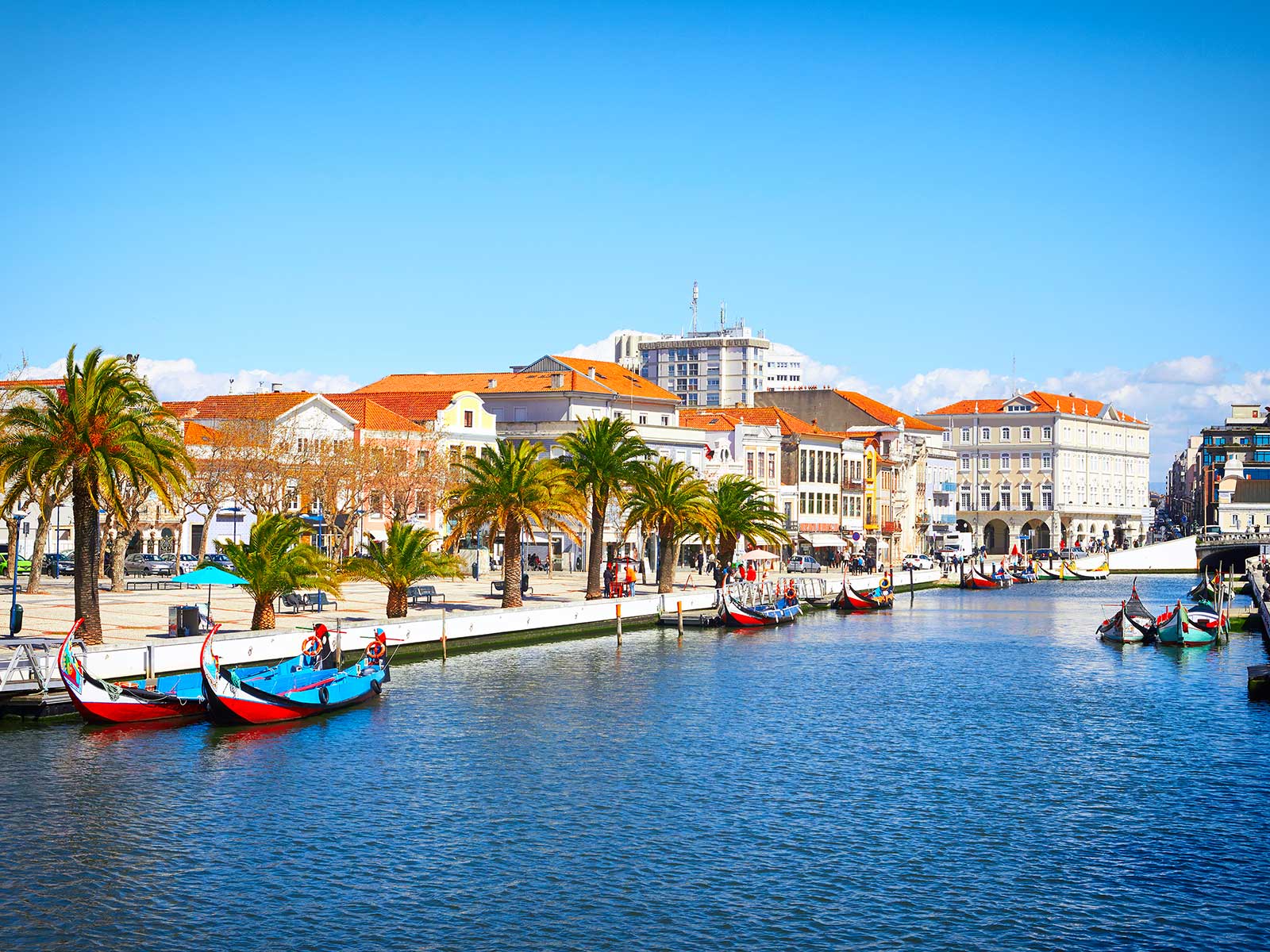
The north of Portugal is known for its lush, green landscapes, historic cities, and vibrant traditions. While Porto is a bustling hub, cities like Braga, with its rich religious heritage, or Coimbra, home to one of Europe's oldest universities, offer fascinating urban exploration without the intense coastal pressure.Aveiro, often called the "Venice of Portugal," charms with its canals and moliceiro boats.
For nature lovers,Peneda-Gerês National Park is an absolute must. Portugal's only national park boasts dramatic mountains, ancient forests, pristine rivers, and cascading waterfalls perfect for hiking, wild swimming, and canyoning. The higher altitudes provide a welcome respite from the summer heat, offering an adventurous and refreshing escape.
Central Portugal: Mountains, Castles, and Traditional Villages
Central Portugal is a treasure trove of history and natural beauty. The Serra da Estrela mountains, Portugal's highest range, offer cooler temperatures and spectacular vistas. While known for winter sports, summer reveals stunning hiking trails, glacial valleys, and crystal-clear lakes. It's a fantastic region for outdoor activities and enjoying fresh mountain air.
Explore charming medieval towns like Óbidos, a picturesque fortified village, best visited early in the morning to enjoy its cobbled streets and white-washed houses before the day trippers arrive. Further inland, you'll discover the "schist villages" (Aldeias do Xisto), a network of beautifully preserved hamlets built from dark shale, offering a glimpse into traditional Portuguese rural life.
Monsanto, often dubbed "the most Portuguese village in Portugal," is famous for its houses built into, around, and under giant boulders, offering a truly unique architectural experience away from the coastal bustle.
Alentejo: Golden Plains and Roman Heritage
The vast, sun-drenched plains of the Alentejo region offer a completely different summer experience. While temperatures can be high, the region's charm lies in its expansive landscapes, historic towns, and world-class food and wine.Evora, a UNESCO World Heritage site, is a captivating city with Roman temples, a macabre Chapel of Bones, and a charming historic center. Explore its ancient streets in the cooler mornings and evenings, enjoying long, leisurely lunches in shaded courtyards.
The Alentejo is also perfect for exploring vineyards, olive groves, and enjoying the tranquility of the countryside. Stargazing here is exceptional due to minimal light pollution.
Island Escapes: Madeira's Eternal Spring
For an entirely different summer escape, consider the autonomous region of Madeira. Known as the "Island of Eternal Spring," its subtropical climate ensures pleasant temperatures year-round, making it a fantastic alternative to the mainland's summer heat. Madeira boasts dramatic volcanic landscapes, lush botanical gardens, and a network of ancient irrigation channels calledlevadas, which now serve as breathtaking hiking trails.
It's a paradise for hikers, nature lovers, and those seeking a milder climate with stunning coastal and mountain scenery. The capital, Funchal, offers a vibrant city experience with markets, museums, and a charming old town.
Practical Tips for a Summer Trip to Portugal
- Book in Advance:Regardless of your chosen destination, securing accommodation and key transport early is crucial for summer travel.
- Stay Hydrated & Protected:Always carry water, wear a hat, sunglasses, and high-factor sunscreen. Seek shade during the hottest parts of the day (12 PM - 4 PM).
- Embrace the Local Rhythm:Portuguese mealtimes are later; embrace long lunches and late dinners. Many shops close for a siesta in the afternoon, especially inland.
- Learn Basic Phrases:A few words of Portuguese (Olá, Obrigado/a, Por favor, Bom dia) go a long way and are always appreciated.
- Mix and Match:Consider a trip that combines a few days on the coast with a deeper dive into an inland region for a truly varied experience.
Conclusion
Portugal in summer is undeniably appealing, offering a wealth of experiences whether you choose the lively coastal scene or the serene beauty of its interior. While the popular beaches will be bustling, smart planning allows you to enjoy them fully. Alternatively, venturing inland unveils a different side of Portugal – one of ancient history, breathtaking nature, and genuine tranquility. Whichever path you choose, a memorable Portuguese summer awaits.