
Navigating Portugal: Your Guide to Public Transportation, Car Rentals & More
Portugal, a land of captivating history, stunning coastlines, and vibrant cities, offers a myriad of ways to explore its beauty. Whether you dream of zipping through ancient alleyways or cruising along sun-drenched coastal roads, understanding your transportation options is key to unlocking an unforgettable adventure. This guide will help you navigate the best ways to get around, from efficient public networks to the freedom of a rental car.
Getting Around Portugal: An Overview
Portugal's diverse landscapes, from the bustling urban centers of Lisbon and Porto to the tranquil villages of the Alentejo, are surprisingly accessible. The country boasts a well-developed infrastructure that caters to various travel styles and budgets. From extensive train and bus networks to convenient car rentals, and even unique local transport, you'll find a solution for every itinerary.
Public Transportation: Connecting Portugal's Charms
Public transport in Portugal is generally reliable, affordable, and an excellent way to experience the country like a local. It's particularly effective for inter-city travel and exploring urban areas.
Trains: Scenic Routes & City Connections
Portugal's national railway company, Comboios de Portugal (CP), operates a comprehensive train network. High-speed Alfa Pendular trains connect major cities like Lisbon,Porto, and Coimbra efficiently. Regional and inter-regional trains serve smaller towns and offer a more leisurely, often scenic, journey. For instance, traveling by train to places like Braga or Faro (in the Algarve) can be a comfortable and picturesque experience. Consider purchasing tickets in advance, especially for popular routes.
Buses: Reaching Every Corner
Where trains don't go, buses often do. Portugal has an extensive bus network, making it possible to reach even the most remote villages. Rede Expressos is the largest national operator, offering comfortable inter-city connections across the mainland. Local bus services fill in the gaps, connecting towns with surrounding areas. Buses are often the best choice for destinations like Ericeira,Nazare, or reaching the stunning Peneda-Gerês National Park(though local connections might be needed).
Urban Transit: Metro, Trams & Funiculars
Portugal's major cities boast excellent urban transit systems.
- Metro:Lisbon and Porto both have modern metro systems that are efficient for navigating the city centers and reaching peripheral areas.
- Trams:Iconic trams are a hallmark of Lisbon, particularly the historic Tram 28, offering a charming way to see the city's sights.Porto also has historic tram lines.
- Funiculars & Elevators:Due to their hilly terrains, cities like Lisbon feature several funiculars (like Bica and Lavra) and elevators (like Santa Justa) that are not just practical but also tourist attractions themselves.Braga also has a historic funicular.
For urban travel, consider purchasing a rechargeable public transport card (e.g., Viva Viagem in Lisbon, Andante in Porto). These cards offer better value than single tickets and can be used across different modes of transport.
Boats & Ferries: Coastal & Island Journeys
Given Portugal's extensive coastline and island territories, boats and ferries play a crucial role.
- River Ferries:In Lisbon, ferries cross the Tagus River, connecting the city to areas like Cacilhas, offering fantastic skyline views.
- Island Transport:To reach the beautiful islands of Madeira or the Azores, air travel is the primary method, but inter-island ferries are available for exploring within the archipelagos.
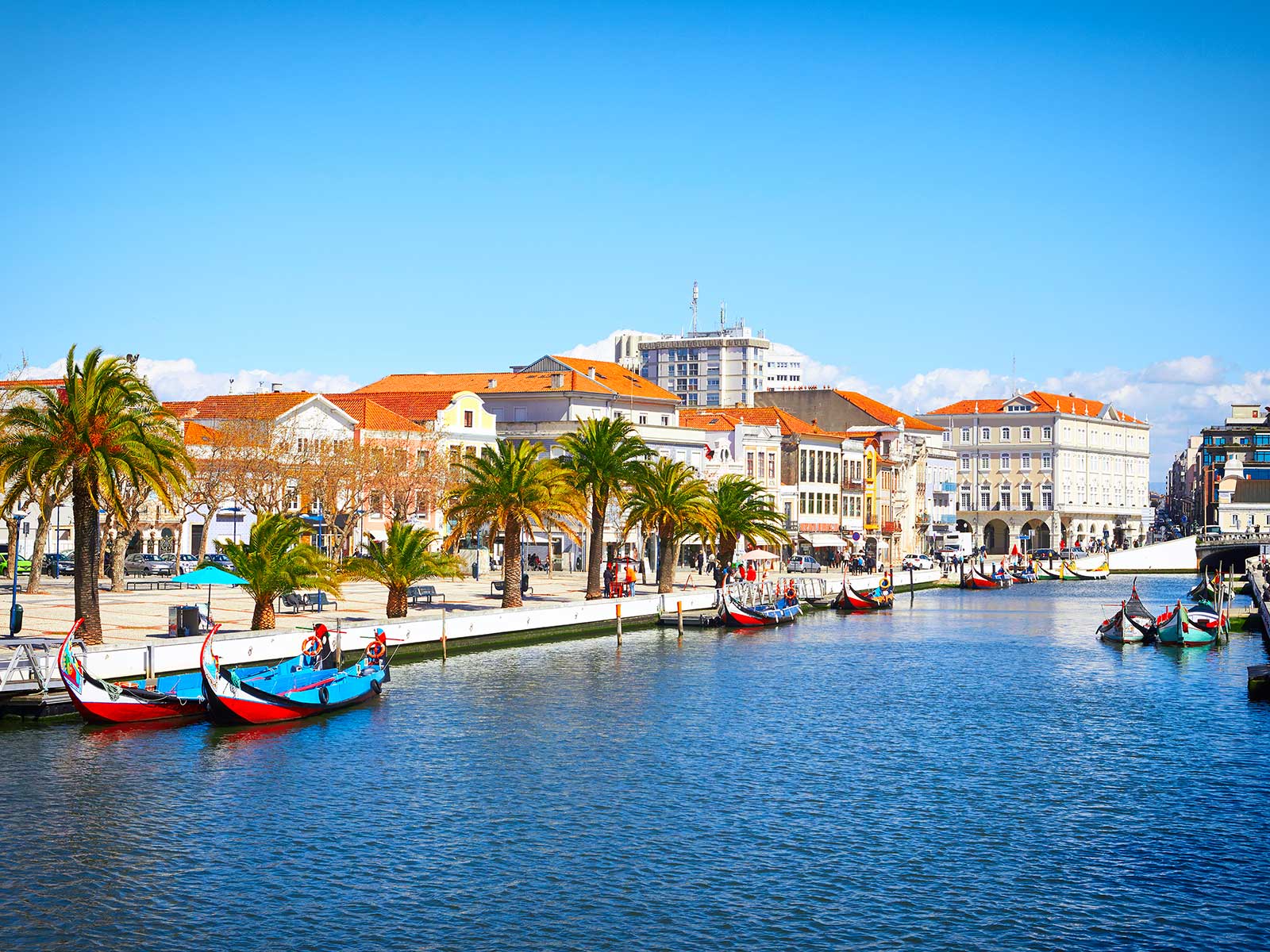
- Ria de Aveiro:In Aveiro, traditional Moliceiro boats offer a unique canal tour experience.
Fun Fact:Lisbon's Tram 28, one of the city's most famous attractions, uses vintage yellow trams that date back to the 1930s, perfectly navigating the city's steepest hills and tightest turns.
Ridesharing & Taxis: Convenience on Demand
Major ridesharing apps operate in Portugal's larger cities, offering a convenient and often cost-effective alternative to traditional taxis. Taxis are widely available, identifiable by their cream or black-and-green colors, and can be hailed on the street or found at designated stands. They are a good option for shorter distances or when carrying luggage, especially late at night.
Car Rentals: Freedom to Explore
For travelers who crave flexibility and wish to explore Portugal's more remote or scenic areas at their own pace, a rental car is an excellent choice.
When to Consider a Car Rental
A car rental is highly recommended if you plan to:
- Explore the stunning natural parks like Peneda-Gerês National Park or the mountain ranges of Serra da Estrela.
- Discover charming historical villages such as Óbidos,Monsanto, or the UNESCO World Heritage city of Evora.
- Embark on a road trip along the Algarve coast, stopping at secluded beaches.
- Visit multiple smaller towns in a day, like those around Sintra(though Sintra itself is best explored without a car due to parking challenges).
Driving in Portugal: Tips & Considerations
- Road Quality:Portugal has a modern and well-maintained road network, including an extensive system of highways (autoestradas).
- Left-Hand Drive:Portuguese drive on the right-hand side of the road.
- GPS:A reliable GPS system (either built-in or via a smartphone app) is invaluable, especially in rural areas or navigating narrow city streets.
- Parking:Parking can be challenging and expensive in city centers. Many historical towns are pedestrian-only or have restricted access.
- Fuel:Petrol (gasolina) and diesel (gasóleo) are widely available.
Tolls: Understanding the System
Portugal has an extensive toll road system. There are two main types:
- Traditional Tolls:These have toll booths where you can pay with cash or card.
- Electronic Tolls (SCUTs):These are "shadow tolls" without booths, detected automatically by transponders. Rental cars often come equipped with a transponder (Via Verde device) for a small daily fee, which is highly recommended for convenience. Without one, you'll need to pay electronically at a CTT (post office) or Payshop agent a few days after using the toll road.
It's crucial to understand the toll system before driving to avoid fines.
Alternative & Niche Transportation
Beyond the main options, Portugal offers other ways to get around.
Bicycles: Eco-Friendly Exploration
Cycling is a fantastic way to explore specific regions, especially flatter areas like the Ecovia Litoral in the Algarve or the path along the Ria de Aveiro. Bike rentals are available in most tourist hubs. While challenging in hilly cities, dedicated bike lanes are becoming more common.
Scooters & Mopeds: Urban Agility
In some coastal towns and larger cities, renting a scooter or moped can offer a fun and agile way to navigate, particularly for short distances or avoiding city traffic. Always wear a helmet and ensure you have the appropriate license.
Making the Most of Your Journey
To ensure smooth travels:
- Use Navigation Apps:Google Maps, Waze, and local transit apps are invaluable.
- Learn Basic Portuguese Phrases:While English is widely spoken in tourist areas, a few basic phrases can greatly enhance local interactions, especially when using public transport.
- Consider Travel Passes:For extensive public transport use in cities like Lisbon or Porto, multi-day passes or rechargeable cards offer convenience and savings.
Portugal's transport network is designed to help you discover its many wonders. Whether you choose the efficiency of public transport, the freedom of a rental car, or a unique local option, you're set for an incredible journey.