
How to Get from Lisbon to Porto (Train, Bus, Car)
Embarking on a journey from Portugal's vibrant capital,Lisbon, to the charming northern city of Porto is a popular itinerary for many travelers. This guide details the most common and efficient ways to make this approximately 300-kilometer (186-mile) trip, ensuring you choose the best option for your travel style and budget.
Whether you prioritize speed, cost-efficiency, or the freedom to explore at your own pace, there's a perfect mode of transport waiting for you. From high-speed trains to comfortable buses and flexible car rentals, getting between these two iconic Portuguese cities is straightforward and part of the adventure itself.
Traveling by Train: The Fastest & Most Comfortable Option
For many, the train is the preferred method of travel between Lisbon and Porto. Portugal's national rail service, Comboios de Portugal (CP), offers excellent connections, providing a comfortable and scenic journey.
Train Operators & Services
- Alfa Pendular (AP):This is CP's high-speed service, offering modern trains with amenities like Wi-Fi, power outlets, and a café car. It's the fastest option, making fewer stops.
- Intercidades (IC):The intercity service is a slightly slower but still comfortable option, making more stops along the way. These trains generally offer good value.
Stations in Lisbon & Porto
In Lisbon, trains to Porto primarily depart from two main stations:
- Lisboa - Oriente:A modern, multi-modal transport hub designed by Santiago Calatrava, located in the Parque das Nações district. It's well-connected by metro and bus.
- Lisboa - Santa Apolónia:The oldest railway station in Lisbon, closer to the city center and the Alfama district. It's also accessible by metro.
In Porto, the main arrival station for long-distance trains is:
- Porto - Campanhã:Located slightly outside the city center, Campanhã is Porto's primary intercity train station. From here, you can easily connect to the iconic São Bento station in the heart of Porto via a short, free commuter train ride (your long-distance ticket typically includes this connection) or by metro.
- Porto - São Bento:Famous for its stunning azulejo (tile) artwork, São Bento is a must-see attraction and the most central station in Porto.
Journey Duration & Frequency
The Alfa Pendular service typically takes around2 hours and 49 minutes, while the Intercidades trains take approximately3 hours and 10 minutes. Both services run frequently throughout the day, with departures every hour or so from early morning until late evening.
Booking Tickets
It's highly recommended to book your train tickets in advance, especially for Alfa Pendular services and during peak travel seasons. This secures your seat and often allows you to find more favorable fares. Tickets can be purchased:
- Online via the CP website.
- At any train station in Portugal.
Tip:Look out for promotional fares when booking further in advance. Flexibility with your travel date and time can also lead to better deals.
Pros & Cons of Train Travel
- Pros:Speed, comfort, reliability, central station locations (with easy connection to São Bento), scenic views, no traffic worries.
- Cons:Can be more expensive than the bus, especially for last-minute bookings.
Traveling by Bus: The Economical Choice
Bus travel is a popular and often more budget-friendly alternative to the train, offering a good network and frequent departures between Lisbon and Porto.
Bus Operators
Several reputable bus companies operate on this route:
- Rede Expressos:Portugal's largest bus operator, offering extensive coverage and frequent services.
- Renex:Often operates under the Rede Expressos umbrella but with its own distinct services.
- FlixBus:An international operator known for competitive fares and modern buses.
Stations in Lisbon & Porto
In Lisbon, buses typically depart from:
- Sete Rios Bus Terminal:The main hub for Rede Expressos, well-connected by metro (Jardim Zoológico station).
- Gare do Oriente:Also a departure point for some bus services, particularly FlixBus, sharing the same transport hub as the train station.
In Porto, buses usually arrive at:
- Campo 24 de Agosto:A central bus terminal with metro connections.
- Casa da Música:Another significant bus stop, also with metro access.
Journey Duration & Frequency
Bus journeys generally take longer than trains, averaging between3 hours and 30 minutes to 4 hours, depending on the operator and number of stops. Services are very frequent, with many departures throughout the day.
Booking Tickets
Tickets can be purchased online through the respective bus company websites or at the bus terminals. Booking in advance is advisable, especially during busy periods, to secure your seat and potentially find better fares.
Pros & Cons of Bus Travel
- Pros:Generally more affordable, frequent departures, good for budget travelers.
- Cons:Longer travel time, comfort can vary between operators, susceptible to traffic delays.
Traveling by Car: Flexibility and Scenic Stops
Renting a car offers the ultimate flexibility, allowing you to explore at your own pace and discover hidden gems between Lisbon and Porto. It's a fantastic option if you plan to venture beyond the main cities.
Rental Cars
Numerous international and local car rental companies operate in Lisbon, with pick-up points at the airport and various city locations. You'll need a valid driver's license (an International Driving Permit is recommended for non-EU citizens), a credit card, and to meet the minimum age requirement (usually 21 or 25, with potential young driver fees).
The Route & Tolls
The most direct route is via theA1 motorway, which connects Lisbon and Porto. This is a toll road, and Portugal has an electronic toll system (Via Verde). When renting a car, ensure it's equipped with a Via Verde transponder, which automatically registers tolls and bills them to your rental agreement. This is the easiest way to manage tolls.
Journey Duration
Without stops, the drive typically takes around3 hours. However, this doesn't account for traffic, especially around urban areas, or any detours you might take.
Potential Stops Along the Way
One of the biggest advantages of driving is the opportunity to break up the journey and explore Portugal's diverse regions:
- Coimbra:Home to one of Europe's oldest universities and a UNESCO World Heritage site,Coimbra is a fantastic stop for history and culture enthusiasts.
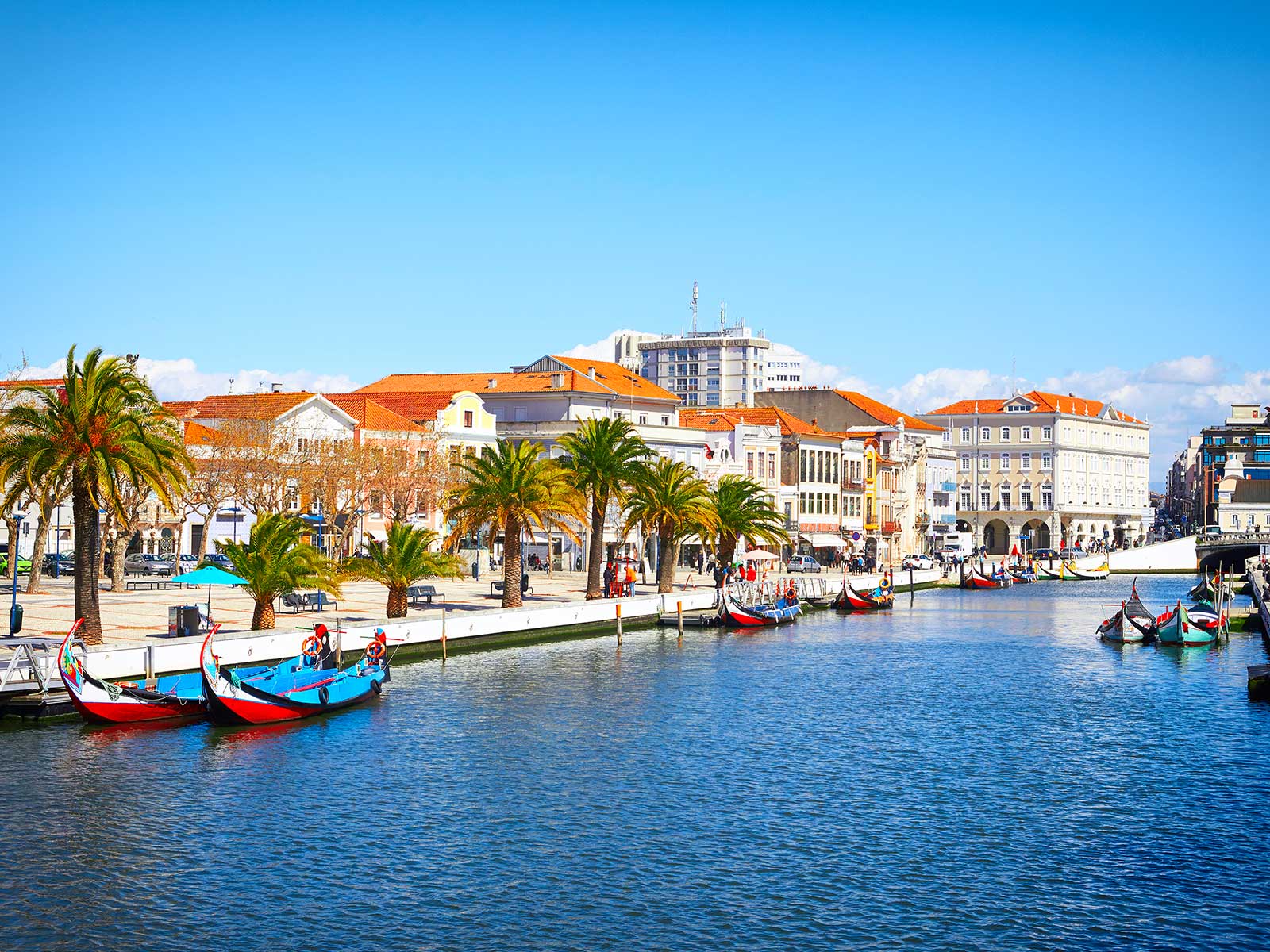
- Aveiro:Known as the "Venice of Portugal" for its canals and colorful moliceiro boats,Aveiro is a charming place for a stroll and some ovos moles (a local sweet).
- Óbidos:A beautifully preserved medieval walled town. While a slight detour off the A1, its charm makes it worthwhile.
- Nazaré:Famous for its giant waves and surfing,Nazaré offers breathtaking coastal views, though it's a more significant detour west.
- Braga:North of Porto,Braga is a city rich in religious history and impressive baroque architecture, perfect if you plan to explore the northern region further.
Parking in Porto
Parking in Porto's city center can be challenging and expensive. Many hotels offer parking, or you can use public parking garages. Consider parking on the outskirts and using Porto's excellent public transport to navigate the city.
Pros & Cons of Car Travel
- Pros:Ultimate flexibility, freedom to explore off-the-beaten-path, convenient for luggage.
- Cons:Rental costs, fuel expenses, tolls, navigation challenges, parking difficulties in cities, potential for traffic.
Flying from Lisbon to Porto: Quick but Less Common
While both Lisbon and Porto have international airports, flying between the two cities is generally not recommended for most travelers due to the relatively short distance. The time spent traveling to and from airports, checking in, security, and waiting often makes the total travel time comparable to or even longer than the train, and usually more expensive.
This option might only be considered if you have specific flight connections or are traveling to other destinations like Madeira or the Algarve after your visit to Porto.
Which Option is Best for You?
- For Speed and Comfort:Thetrain(Alfa Pendular) is your best bet.
- For Budget-Conscious Travelers:Thebusoffers the most economical fares.
- For Flexibility and Sightseeing:Renting acarprovides the freedom to explore at your leisure and make stops along the way.
Conclusion
Traveling from Lisbon to Porto is a well-trodden path, with each mode of transport offering its unique advantages. Whether you opt for the efficiency of the train, the affordability of the bus, or the exploratory freedom of a car, you're sure to enjoy the journey as you transition between Portugal's two most captivating cities. Choose the option that best suits your travel style, and prepare to be enchanted by the northern capital.