
Coimbra or Porto: Which City Should You Visit?
Portugal offers an incredible array of destinations, and often travelers find themselves weighing the charms of two distinct cities:Coimbra and Porto. While both boast rich history and vibrant culture, they offer remarkably different experiences for visitors. Deciding between them depends entirely on your travel style and what you hope to discover.
This article will delve into the unique characteristics of each city, helping you determine which destination best aligns with your ideal Portuguese adventure.
Coimbra: The Heart of Academic Tradition
Nestled on the banks of the Mondego River,Coimbra is synonymous with knowledge and history. It was once the capital of Portugal and is home to one of Europe's oldest universities, a UNESCO World Heritage site that dominates the city's skyline and its very essence.
What Makes Coimbra Special?
- The University of Coimbra:A living museum, its historic buildings, particularly the Joanina Library (Biblioteca Joanina), Capela de São Miguel, and Royal Palace, are breathtaking. The university's academic traditions, like the students' black capes, are deeply woven into the city's fabric.
- Historical Depth:Beyond the university, explore the Sé Velha (Old Cathedral), a magnificent Romanesque fortress-church, and the Santa Cruz Monastery, where Portugal's first two kings are buried.
- Fado de Coimbra:Distinct from Lisbon's fado, Coimbra's version is traditionally sung by male students, often with guitars, and is more mournful and academic in tone. Catching a performance is a truly authentic experience.
- Relaxed Pace:While hilly, Coimbra generally offers a more tranquil and less tourist-saturated experience compared to Porto.
Coimbra's Vibe
Coimbra exudes an academic, slightly melancholic, and profoundly historic atmosphere. It's a city for those who appreciate intellectual heritage, quiet contemplation, and a deep dive into Portugal's past. Its student population keeps it lively, especially during term time, but it retains a dignified air.
Did you know? The University of Coimbra's Biblioteca Joanina is home to thousands of ancient books and is famously protected from insects by a colony of bats that emerge at night!
Porto: The Invincible City of Wine and Rivers
Further north,Porto, Portugal's second-largest city, sprawls across the hills overlooking the Douro River. Renowned globally for its Port wine, dramatic bridges, and charming Ribeira district, Porto offers a bustling, vibrant, and incredibly picturesque urban experience.
What Makes Porto Special?
- Port Wine Cellars:A visit to Vila Nova de Gaia, across the Douro, to tour a Port wine cellar and enjoy a tasting is practically mandatory.
- Ribeira District:This UNESCO-listed riverside area with its colorful, stacked houses is the heart of Porto's charm. It's perfect for strolling, dining, and watching the traditionalrabeloboats.
- Iconic Bridges:The Dom Luís I Bridge, designed by a student of Gustave Eiffel, offers stunning views and connects Porto to Vila Nova de Gaia.
- Architectural Wonders:From the ornate São Bento train station (famous for its azulejo tiles) to the majestic Clérigos Tower and Livraria Lello, Porto is a feast for the eyes.
- Culinary Scene:Beyond Port wine, Porto boasts a robust culinary identity, including the famous Francesinha sandwich and fresh seafood.
Porto's Vibe
Porto is dynamic, energetic, and undeniably romantic. It's a city that blends old-world charm with a modern, cosmopolitan edge. There's a constant buzz, whether it's from the bustling markets, lively cafes, or the hum of activity along the river. It feels more like a major European city than Coimbra, yet retains its unique Portuguese character.
Coimbra vs. Porto: A Direct Comparison
Atmosphere and Pace
- Coimbra:Offers a more reflective, academic atmosphere. The pace is generally slower, making it ideal for those who prefer to soak in history without the crowds. It's a true university town.
- Porto:Is a bustling, lively metropolis. It has a faster pace, more international visitors, and a vibrant nightlife. It feels more grand and expansive.
Historical Significance and Sites
- Coimbra:Primarily focused on its university, royal history, and religious sites. Its history is deeply rooted in medieval Portugal and academia.
- Porto:While old, its historical sites often reflect its mercantile past, its role as a port city, and its more recent architectural achievements. It offers a broader range of historical periods visible in its urban fabric.
Attractions and Activities
- Coimbra:
- Explore the University of Coimbra's historic campus.
- Visit the Sé Velha and Santa Cruz Monastery.
- Stroll through the Botanical Garden.
- Experience Fado de Coimbra.
- Discover the Portugal dos Pequenitos park (miniature Portugal).
- Porto:
- Tour Port wine cellars in Vila Nova de Gaia.
- Wander the picturesque Ribeira district.
- Climb the Clérigos Tower for panoramic views.
- Admire the azulejos at São Bento Station.
- Cross the Dom Luís I Bridge.
- Visit the Stock Exchange Palace (Palácio da Bolsa) and its Arabian Room.
Food and Drink
- Coimbra:Known for traditional Portuguese cuisine, often hearty and rustic. Look for dishes likechanfana(goat stew) andleitão assado(roast suckling pig).
- Porto:Offers a diverse and acclaimed culinary scene. Must-tries include the Francesinha, fresh seafood, and of course, copious amounts of Port wine. There's a wider array of modern restaurants and cafes.
Accessibility and Getting Around
- Coimbra:The city center and university area are walkable, but expect steep hills. Public transport is available but less extensive than Porto. It's well-connected by train to Lisbon and Porto.
- Porto:Also very hilly, but has an excellent public transport system including metro, trams, and buses. Many key attractions are within walking distance, but comfortable shoes are a must.
Day Trips and Surrounding Areas
- Coimbra:Serves as a great base for exploring central Portugal.
- Conímbriga Roman Ruins: One of Portugal's best-preserved Roman sites.
- Bussaco Forest: A stunning ancient forest and palace.
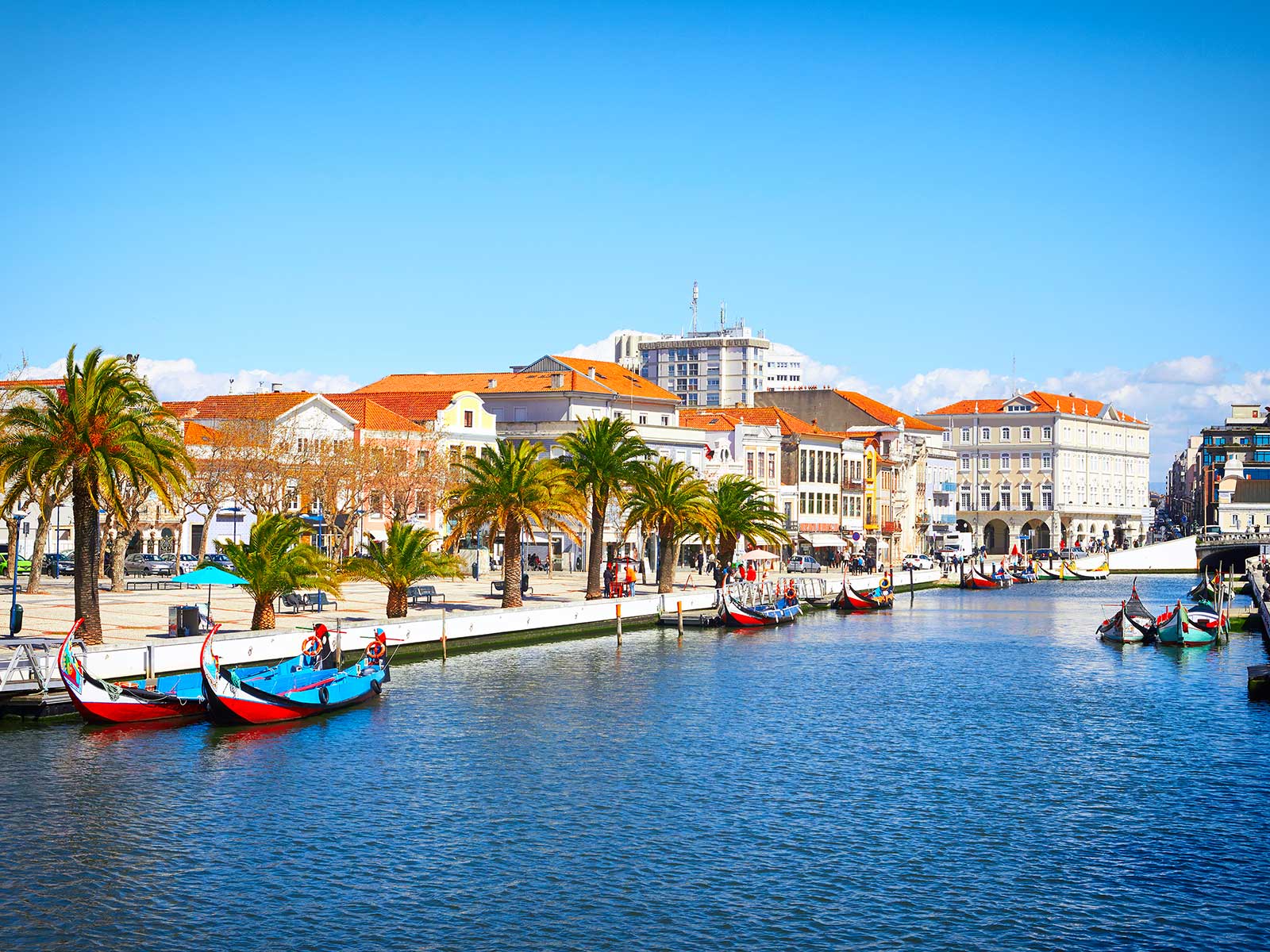
- Nearby charming towns like Aveiro(the "Venice of Portugal"), the medieval walled town of Óbidos, or the famed surf town of Nazaré.
- It's also a good jumping-off point for exploring the Serra da Estrela mountains.
- Porto:Offers numerous fantastic day trip options.
- Douro Valley: World-famous wine region, perfect for scenic cruises and vineyard tours.
- Braga: Known for its religious heritage and stunning Bom Jesus do Monte sanctuary.
- Guimarães: The birthplace of Portugal, a UNESCO World Heritage site.
- Peneda-Gerês National Park: For nature lovers and hikers.
Which City Should You Visit?
The choice between Coimbra and Porto ultimately hinges on your travel preferences:
- Choose Coimbra if:You are a history buff, fascinated by academia, prefer a more tranquil and authentic Portuguese experience, want to delve deep into the country's past, or are traveling between Lisbon and Porto and want a compelling stop. It's ideal for those seeking intellectual and cultural enrichment.
- Choose Porto if:You love vibrant city life, enjoy world-class food and wine (especially Port), are drawn to stunning architecture and riverfront views, or want a bustling base for exploring northern Portugal and the Douro Valley. It's perfect for a lively urban escape with a touch of romance.
For those with enough time, visiting both cities offers a comprehensive understanding of Portugal's diverse regions. They are distinct yet equally captivating, each promising an unforgettable journey.