
Warsaw vs Krakow: Which Polish City Should You Visit?
Poland boasts two magnificent cities, each offering a distinct travel experience: the bustling capital of Warsaw and the historic charm of Krakow. Choosing between them can be tough, as both promise unforgettable adventures filled with rich history, vibrant culture, and delicious cuisine. This guide will help you navigate their unique appeals to decide which city best fits your travel style.
Warsaw: The Resilient Capital
Warsaw, the vibrant capital of Poland, stands as a testament to resilience and rebirth. Almost entirely destroyed during World War II, the city has been meticulously rebuilt, emerging as a dynamic metropolis that seamlessly blends its profound history with modern ambition. It's a city of contrasts, where reconstructed historical districts sit alongside sleek skyscrapers and bustling business centers.
History and Resilience
Warsaw's story is one of dramatic hardship and incredible perseverance. Its Warsaw Old Town, a UNESCO World Heritage site, is a remarkable example of reconstruction, rebuilt from rubble with such fidelity that it regained its historical status. The city’s numerous museums, particularly the Warsaw Uprising Museum and the POLIN Museum of the History of Polish Jews, powerfully narrate the city's tumultuous past and its journey to recovery. Visiting these sites offers a profound understanding of the Polish spirit.
Key Attractions
Beyond its historic heart, Warsaw offers a wealth of attractions catering to diverse interests.
- Warsaw Old Town:Wander through charming cobblestone streets, admire colorful façades, and visit the Royal Castle.
- Łazienki Park:A stunning royal park and palace complex, perfect for leisurely strolls, enjoying classical music concerts in summer, and spotting peacocks.
- Palace of Culture and Science:An iconic, controversial landmark offering panoramic views of the city from its observation deck.
- Museums:Delve into history at the Warsaw Uprising Museum or explore art at the National Museum.
- Praga District:Experience a more bohemian side of Warsaw, known for its artistic community, street art, and revitalized industrial spaces.
Vibe and Culture
Warsaw pulses with a modern, cosmopolitan energy. It's a hub for business, innovation, and contemporary arts, attracting a diverse crowd of professionals, artists, and students. The city’s cultural scene is vibrant, with numerous theaters, art galleries, and live music venues. Foodies will appreciate Warsaw's innovative culinary landscape, ranging from traditional Polish eateries to international gourmet restaurants and trendy cafes. The nightlife is sophisticated, with a wide array of bars and clubs.
Fun Fact:Warsaw's Old Town was so thoroughly rebuilt after WWII, relying on pre-war paintings and historical documents, that it was designated a UNESCO World Heritage site as an "outstanding example of a near-total reconstruction of a span of history."
Krakow: The Historic Jewel
Krakow, often considered Poland's cultural capital, captivates visitors with its impeccably preserved medieval architecture and bohemian charm. Unlike Warsaw, Krakow largely escaped destruction during World War II, leaving its historic core intact and brimming with centuries of history. It offers a more traditional European city experience, where every cobblestone seems to whisper tales of kings and legends.
History and Charm
Krakow served as Poland's royal capital for over 500 years, and its rich heritage is visible at every turn. The city’s heart, the Rynek Główny(Main Market Square), is one of Europe's largest medieval squares and a vibrant hub of activity. The city’s ancient streets, historic synagogues, and grand churches create an atmosphere that feels truly timeless.
Key Attractions
Krakow is a treasure trove of historical and cultural sights, many within easy walking distance of each other.
- Rynek Główny(Main Market Square):Home to the Cloth Hall, St. Mary's Basilica, and numerous cafes, it's the perfect place to soak in the city's atmosphere.
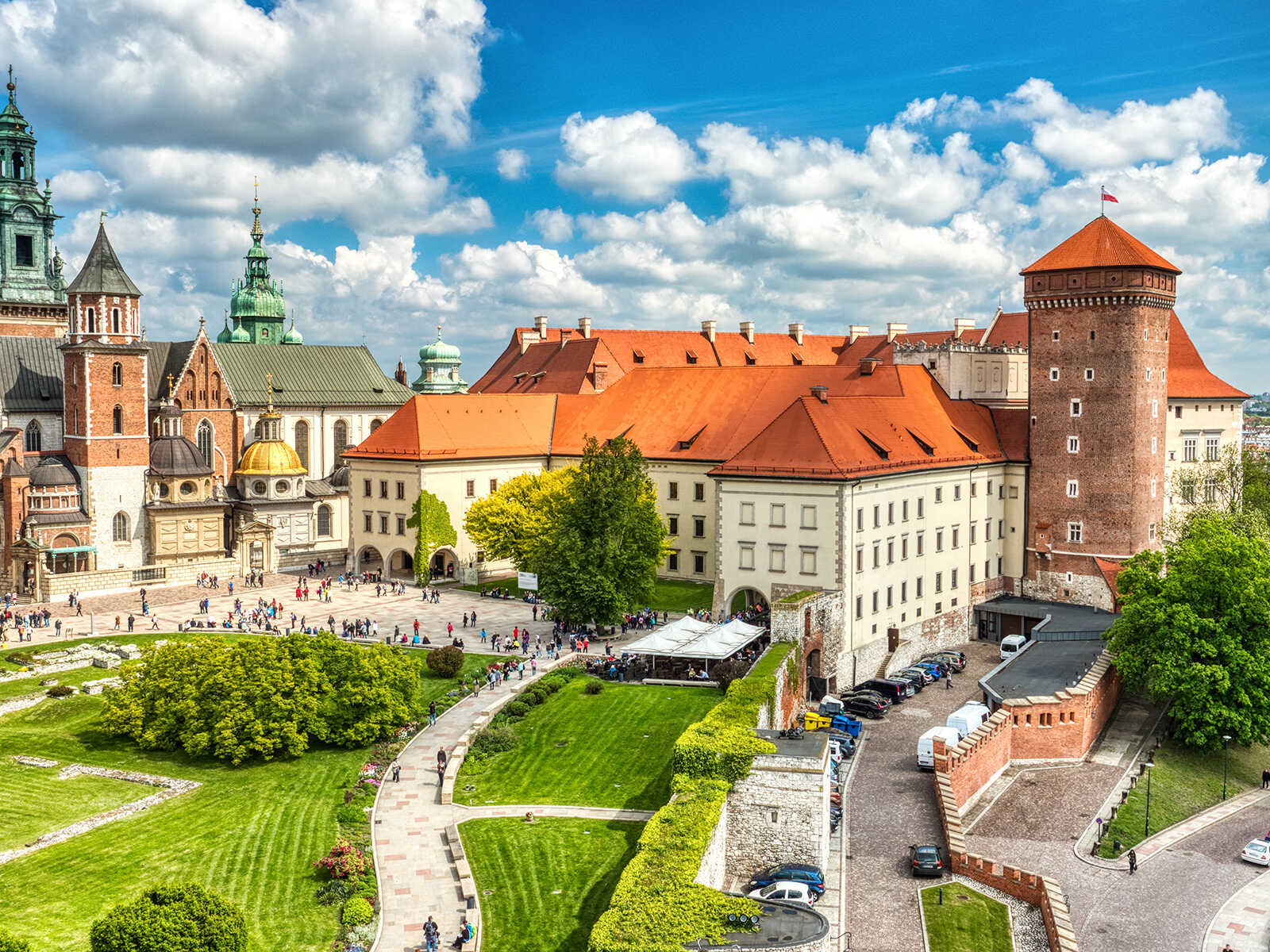
- Wawel Royal Castle and Cathedral:A magnificent complex perched on a hill, offering stunning views and housing royal chambers, state rooms, and the tombs of Polish monarchs.
- Kazimierz (Jewish Quarter):A historic district with a poignant past, now a trendy neighborhood filled with synagogues, Jewish cemeteries, independent galleries, and atmospheric cafes.
- Oskar Schindler's Enamel Factory:A moving museum detailing the wartime experiences of Krakow's Jewish population and the efforts of Oskar Schindler.
- St. Mary's Basilica:Famous for its hourly trumpet call (Hejnał Mariacki) and stunning altar by Veit Stoss.
Vibe and Culture
Krakow exudes a bohemian, artistic, and deeply traditional atmosphere. It's a popular destination for students and tourists alike, leading to a lively but relaxed pace. The city is renowned for its charming cafes, underground bars, and vibrant arts scene, particularly in Kazimierz. Traditional Polish cuisine is widely available, and the city’s numerous festivals throughout the year add to its cultural richness.
Day Trips from Krakow
Krakow also serves as an excellent base for exploring some of Poland's most significant historical sites.
- Wieliczka Salt Mine:A UNESCO World Heritage site, this ancient salt mine features chapels, intricate carvings, and underground lakes, all carved from salt.
- Memorial and Museum Auschwitz:A profoundly moving and essential site for understanding a dark chapter in human history.
Direct Comparison: Warsaw vs Krakow
Let's break down the key differences to help you make an informed decision.
History & Architecture
- Warsaw:A story of heroic reconstruction. Its architecture is a mix of meticulously rebuilt historical sites (like Warsaw Old Town), Soviet-era monumentalism, and gleaming modern skyscrapers. It offers a fascinating look at urban renewal.
- Krakow:A city largely untouched by major wartime destruction, preserving its medieval layout and architecture. Its charm lies in its authenticity, with centuries-old buildings, gothic churches, and a strong sense of historical continuity.
Culture & Atmosphere
- Warsaw:More cosmopolitan, dynamic, and forward-looking. It’s a political and economic powerhouse, with a vibrant contemporary art scene, diverse culinary offerings, and a fast-paced urban feel.
- Krakow:More traditional, bohemian, and tourist-centric. Its atmosphere is often described as magical and romantic, with a strong focus on history, arts, and student life. It feels more "European" in the classical sense.
Attractions & Sightseeing
- Warsaw:Focuses on museums that tell its story of war and rebirth (Warsaw Uprising Museum, POLIN), grand parks (Łazienki Park), and modern architectural marvels.
- Krakow:Concentrates on well-preserved historical sites like Wawel Royal Castle,Rynek Główny, and the Jewish Quarter. Its top day trips (Wieliczka Salt Mine,Memorial and Museum Auschwitz) are also major drawcards.
Food & Nightlife
- Warsaw:Offers a more diverse and international culinary scene, with cutting-edge restaurants and trendy bars. Its nightlife is energetic and varied, catering to all tastes.
- Krakow:Known for its traditional Polish cuisine, charming cafes, and numerous pubs and bars, particularly in Kazimierz. The nightlife is lively, often centered around its historic squares and cellars.
Travel Experience
- Warsaw:A larger, more spread-out city, requiring more use of public transport. It feels like a bustling capital city.
- Krakow:More compact and walkable, especially the Old Town and Kazimierz. It's often perceived as easier to navigate for tourists.
When to Choose Warsaw
You should visit Warsaw if you are:
- Interested in modern history and resilience:The story of its rebirth is profoundly moving and inspiring.
- Seeking a dynamic, cosmopolitan city:Warsaw offers a vibrant contemporary culture, diverse nightlife, and an international culinary scene.
- Appreciative of modern architecture and urban development:The blend of old and new is captivating.
- Looking for a slightly less tourist-heavy experience:While popular, Warsaw can feel less overwhelmed by tourists than Krakow.
When to Choose Krakow
Opt for Krakow if you are:
- Drawn to medieval history and well-preserved architecture:It offers an authentic glimpse into old-world Europe.
- Preferring a more compact, walkable city:Ideal for leisurely strolls and soaking in the atmosphere.
- Looking for a romantic or bohemian vibe:Krakow’s charm is undeniable, especially in its Old Town and Kazimierz.
- Planning day trips to significant historical sites:Its proximity to the Wieliczka Salt Mine and Memorial and Museum Auschwitz is a major advantage.
Can You Visit Both?
Absolutely! Many travelers choose to experience both cities to get a comprehensive understanding of Poland's past and present. They are well-connected by high-speed train, with the journey typically taking around 2.5 to 3 hours. A typical itinerary might involve 2-3 days in each city, allowing ample time to explore their distinct attractions and soak in their unique atmospheres.
Conclusion
Whether you choose the resilient capital of Warsaw or the historic jewel of Krakow, you're in for an incredible Polish adventure. Warsaw offers a powerful narrative of rebirth and a glimpse into modern Poland, while Krakow enchants with its timeless beauty and rich medieval heritage. Your ideal choice depends on your personal interests: do you prefer dynamic urban exploration or a romantic journey through history? Whichever you pick, both cities promise an unforgettable travel experience.