
Understanding Polish Culture: Traditions, Customs, and Etiquette for Travelers
Poland, a nation steeped in rich history and vibrant traditions, offers travelers an unforgettable journey. To truly appreciate its beauty and connect with its people, understanding Polish culture, customs, and etiquette is key. This guide will help you navigate social interactions and enhance your experience in this captivating country.
The Heart of Polish Culture: Family and Hospitality
At the core of Polish society lies the family unit, a source of immense pride and support. Poles often maintain close ties with extended family, and these relationships are deeply cherished. Hospitality is a cornerstone of Polish culture, especially when inviting guests into one's home.
If you're fortunate enough to be invited to a Polish home, remember a few key customs. It's customary to bring a small gift for the host, such as flowers (avoiding red roses, which signify romance, and chrysanthemums, associated with funerals), chocolates, or a bottle of wine. Always remove your shoes upon entering a home; your hosts may even offer you slippers. Prepare for abundant food and drink; refusing too many offers might be seen as impolite.
Tip:When giving flowers, ensure the bouquet has an odd number of stems, as even numbers are typically reserved for funerals.
Greetings and Social Etiquette
Polish greetings can vary depending on the context and relationship. A firm handshake is standard for both men and women when meeting someone for the first time or in a formal setting. Direct eye contact is a sign of sincerity and respect. When addressing someone you don't know well, especially an elder, it's polite to use formal titles:Pan(Mr.) for men andPani(Ms./Mrs.) for women, followed by their surname if known.
Close friends and family may exchange kisses on the cheek, usually three times alternating sides, but this is generally not expected of travelers. In public spaces like Rynek Główny in Krakow or Warsaw Old Town, a simple "Dzień dobry" (good day) or "Cześć" (hi – informal) with a smile will suffice.
Dining Customs and Culinary Delights
Polish cuisine is hearty, flavorful, and a significant part of the cultural experience. Meals are often a social occasion, fostering togetherness. Expect generous portions and a focus on traditional dishes likepierogi(dumplings),bigos(hunter's stew),żurek(sour rye soup), and various types of sausages.
When dining, wait for everyone to be served before you start eating. Toasting is common, especially with vodka. The most popular toast is "Na zdrowie!" (To your health!), often accompanied by eye contact with each person you are toasting. Tipping in restaurants is customary, typically around 10% if service isn't already included.
Respecting History and Heritage
Poland's history is profound and often tragic, leaving an indelible mark on its national identity. Showing respect for its past is paramount. When visiting historical sites, especially those commemorating solemn events, a quiet and reflective demeanor is appropriate.
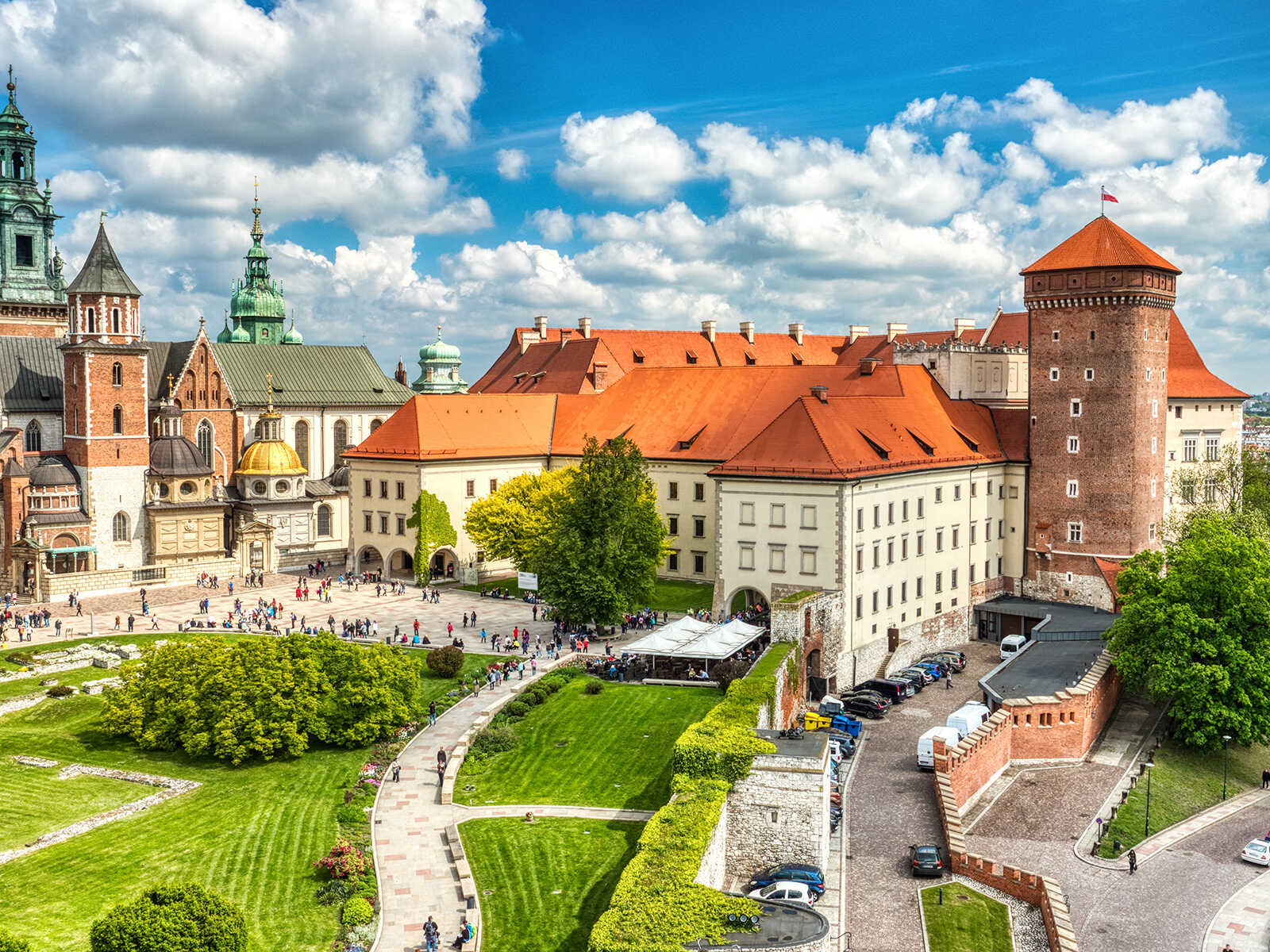
Sites like Memorial and Museum Auschwitz demand the utmost respect and solemnity. Similarly, places like Wawel Royal Castle in Krakow,Malbork Castle, or the reconstructed Warsaw Old Town, which stands as a testament to resilience, should be approached with an appreciation for their historical significance. Understanding the context behind these sites will enrich your visit immensely.
Religious Traditions and Public Life
Catholicism plays a significant role in Polish culture and daily life. Many Poles are devout, and religious holidays are widely observed. If you visit a church, dress modestly – shoulders and knees should be covered. During services, remain quiet and respectful, and avoid taking photos. Observing Easter or Christmas in Poland can offer a unique insight into cherished family traditions and festive customs.
Navigating Public Spaces and Transportation
Poles generally value order and politeness in public. Queueing is expected and respected; avoid cutting lines. On public transport, offer your seat to the elderly, pregnant women, or those with small children. While Poles may sometimes appear reserved, a polite question or a simple "przepraszam" (excuse me) will often be met with helpfulness. Whether strolling through Łazienki Park or exploring the bustling Gdansk Old Town, observe and adapt to the local pace.
Language Basics: A Little Goes a Long Way
While many younger Poles and those in tourist areas speak English, making an effort to learn a few basic Polish phrases will be greatly appreciated. Simple greetings like "Dzień dobry" (good morning/day), "Do widzenia" (goodbye), "Dziękuję" (thank you), and "Proszę" (please/you're welcome) can go a long way in showing respect and fostering positive interactions. Poles are often delighted when foreigners try to speak their language.
Polish Festivals and Celebrations
Throughout the year, Poland comes alive with numerous festivals and celebrations, many of which are rooted in ancient traditions or religious observances. From vibrant Christmas markets that light up city squares like Rynek Główny to lively folk festivals, these events offer a fantastic opportunity to experience Polish culture firsthand. Even smaller, local events showcase regional customs, music, and cuisine, providing a deeper dive into the country's diverse heritage.
Common Gestures and Misunderstandings to Avoid
While generally open, Poles appreciate subtlety. Avoid overly loud conversations or boisterous behavior in public. Keeping your hands in your pockets while speaking can sometimes be perceived as disrespectful. Also, while pointing with an index finger is common in many cultures, it can sometimes be considered impolite in Poland; a slight nod of the head or an open-hand gesture is often preferred. Remember that directness is valued, but always delivered with politeness.
Embracing Polish culture means appreciating its nuances, from the warmth of its hospitality to the solemnity of its history. By understanding and respecting these traditions, customs, and etiquette, you'll not only have a smoother journey but also forge deeper connections and create more meaningful memories during your travels in Poland.