
Polish Culture: History, Vodka & Social Traditions
Delve into the vibrant tapestry of Polish culture, a story woven from centuries of resilience, deep-rooted traditions, and a hearty embrace of hospitality. From its complex past to its lively present, Poland offers visitors a profound and engaging cultural experience unlike any other. Prepare to explore the heart of a nation shaped by history, celebrated through its social customs, and famously enjoyed with a glass of its iconic spirit.
The Enduring Spirit: A Brief History of Poland
Poland's history is one of remarkable resilience and profound influence, a narrative that deeply informs its contemporary culture. Strategically located at the crossroads of Europe, the nation has endured periods of immense prosperity and devastating hardship, each leaving an indelible mark on the Polish psyche.
Centuries of Resilience
From the Golden Age of the Polish-Lithuanian Commonwealth, one of Europe's largest and most powerful states, to its disappearance from maps during the 18th-century partitions, Poland's journey has been tumultuous. The 20th century brought further trials, including the horrors of World War II, vividly remembered at sites like the Memorial and Museum Auschwitz, and decades of communist rule. Yet, through it all, Polish identity, language, and traditions persisted, often thriving underground.
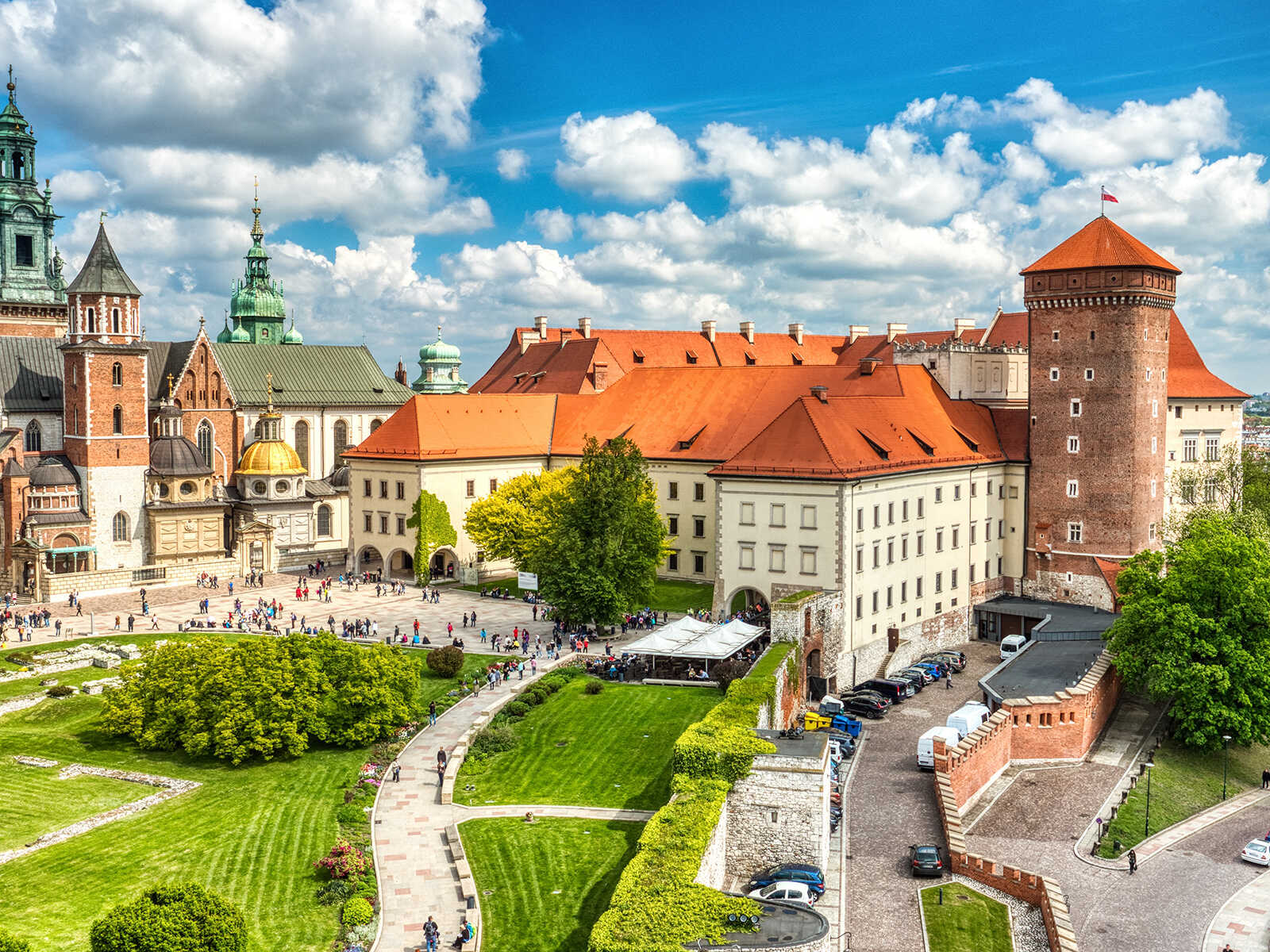
Visitors can trace this rich history in magnificent sites across the country. Explore the former royal seat at Wawel Royal Castle in Krakow, wander through the meticulously restored Warsaw Old Town, a testament to post-war reconstruction, or marvel at the Teutonic grandeur of Malbork Castle, a UNESCO World Heritage site.
Catholicism's Enduring Role
Catholicism has historically been a cornerstone of Polish identity, especially during periods of foreign domination. It served as a unifying force, preserving national spirit and cultural heritage. While modern Poland is increasingly secular, the influence of the Church remains visible in architecture, holidays, and social customs, playing a significant role in major family events and national celebrations.
Heart of the Home: Polish Social Traditions
Polish social traditions are built on warmth, hospitality, and a strong sense of community. Visitors will quickly discover that Poles are often reserved at first, but incredibly welcoming once a connection is made.
Hospitality & Welcoming Guests
One of the most cherished Polish traits is hospitality. Guests are treated with immense respect and generosity, often being offered an abundance of food and drink. Refusing food outright can sometimes be seen as impolite, so a polite "just a small portion" or "I'm already full, but thank you" is often appreciated. Expect lively conversation and a genuine interest in your background.
Family Values and Celebrations
Family is paramount in Polish culture, with multi-generational households still common, particularly in rural areas. Grandparents often play an active role in raising children. Major holidays are family-centric affairs, none more so than Christmas Eve, known asWigilia.
Interesting Fact:During Wigilia, an empty plate and chair are often set at the table, symbolizing readiness to welcome an unexpected guest, or remembering absent loved ones.
Another unique celebration isImieniny(Name Day), often celebrated with more enthusiasm than birthdays, especially among older generations. Friends and family gather to offer gifts, flowers, and toasts to the person celebrating their saint's day, often found on traditional Polish calendars.
Respect and Etiquette
- Greetings:A firm handshake is standard for formal introductions. For close friends and family, a kiss on each cheek (usually two or three) is common. Using formal titles (Pan/Pani) with strangers or elders shows respect.
- Gift-Giving:Small gifts, like flowers (odd numbers only, avoiding red roses unless for a romantic partner, and chrysanthemums which are for funerals), chocolates, or a bottle of wine, are appreciated when visiting someone's home.
- Table Manners:Keep your hands visible on the table (not in your lap). Wait for the host to begin eating. It's polite to finish everything on your plate, but overeating is not expected.
The Liquid Gold: Poland's Vodka Heritage
When discussing Polish culture, it's impossible to overlook vodka. While often associated with Russia, Poland has a strong claim to its origins and certainly a deep-seated tradition surrounding its production and consumption.
History & Origins
The Polish word for vodka, "wódka," first appeared in print in 1405. For centuries, it was primarily a medicinal drink before evolving into a popular spirit. Poland boasts a long and proud history of distillation, with distinct regional styles and production methods.
Types of Polish Vodka
Polish vodka is renowned for its quality and variety. Many are made from rye, imparting a distinct, slightly sweet and spicy flavor. Famous examples include:
- Żubrówka:Bison Grass Vodka, instantly recognizable by the blade of bison grass in each bottle, offering unique aromatic notes.
- Żytnia:A classic rye vodka, smooth and versatile.
- Flavoured Vodkas:Beyond traditional clear vodkas, Poland excels in fruit-infused varieties, such as cherry (Wiśniówka) or plum (Śliwowica), often enjoyed as liqueurs.
Drinking Culture & Toasts
Vodka in Poland is typically consumed neat, chilled, and in shot glasses, often alongside food. It's rarely mixed into cocktails in traditional settings. The most common toast, "Na Zdrowie!" (To your health!), is almost always accompanied by eye contact with everyone at the table before and after taking a sip.
While an integral part of social gatherings, responsible enjoyment is key. Polish culture values conviviality, but excessive public drunkenness is generally frowned upon.
Beyond the Bottle: Other Cultural Gems
Polish culture extends far beyond its historical narrative and famous spirit, encompassing a rich tapestry of art, music, cuisine, and natural beauty.
Cuisine
Polish food is hearty, comforting, and deeply satisfying. Staples include:
- Pierogi:Dumplings filled with various ingredients like meat, potatoes and cheese (ruskie), cabbage and mushrooms, or fruit.
- Bigos:Hunter's stew, a slow-cooked dish of sauerkraut, fresh cabbage, various meats, and mushrooms.
- Żurek:A sour rye soup, often served in a bread bowl with sausage and a hard-boiled egg.
- Barszcz:Clear red beetroot soup, often served with small mushroom dumplings (uszka).
Experience these culinary delights in the charming restaurants and cafes around Krakow's Main Market Square or the historic Old Town of Gdansk.
Music & Dance
Poland boasts a profound musical heritage. Frédéric Chopin, one of the most celebrated Romantic composers, is a national hero, and his music can be heard in concert halls across the country, particularly in Warsaw. Traditional folk music and dances like the Polonaise, Mazurka, and Oberek are vibrant expressions of regional identity, often seen at festivals and cultural events.
Art & Architecture
From the Gothic grandeur of St. Mary's Basilica in Krakow to the modern art galleries of Warsaw, Polish art and architecture reflect its diverse history. Impressive sites like the Wieliczka Salt Mine offer a unique blend of history, engineering, and art.
Literature
Polish literature, with Nobel laureates like Henryk Sienkiewicz, Wisława Szymborska, and Olga Tokarczuk, has profoundly influenced world culture, often exploring themes of national identity, resilience, and the human condition.
Experiencing Polish Culture Today
To truly immerse yourself in Polish culture, engage with locals, try the regional cuisine, and explore its diverse landscapes. Stroll through Łazienki Park in Warsaw, relax on Sopot beach, or even venture to the stunning mountain trails near Morskie Oko. Every experience will deepen your appreciation for this captivating country.
Whether you're exploring ancient castles, savoring a plate of pierogi, or raising a glass of Żubrówka with new friends, Polish culture promises a rich, memorable, and deeply human experience.