
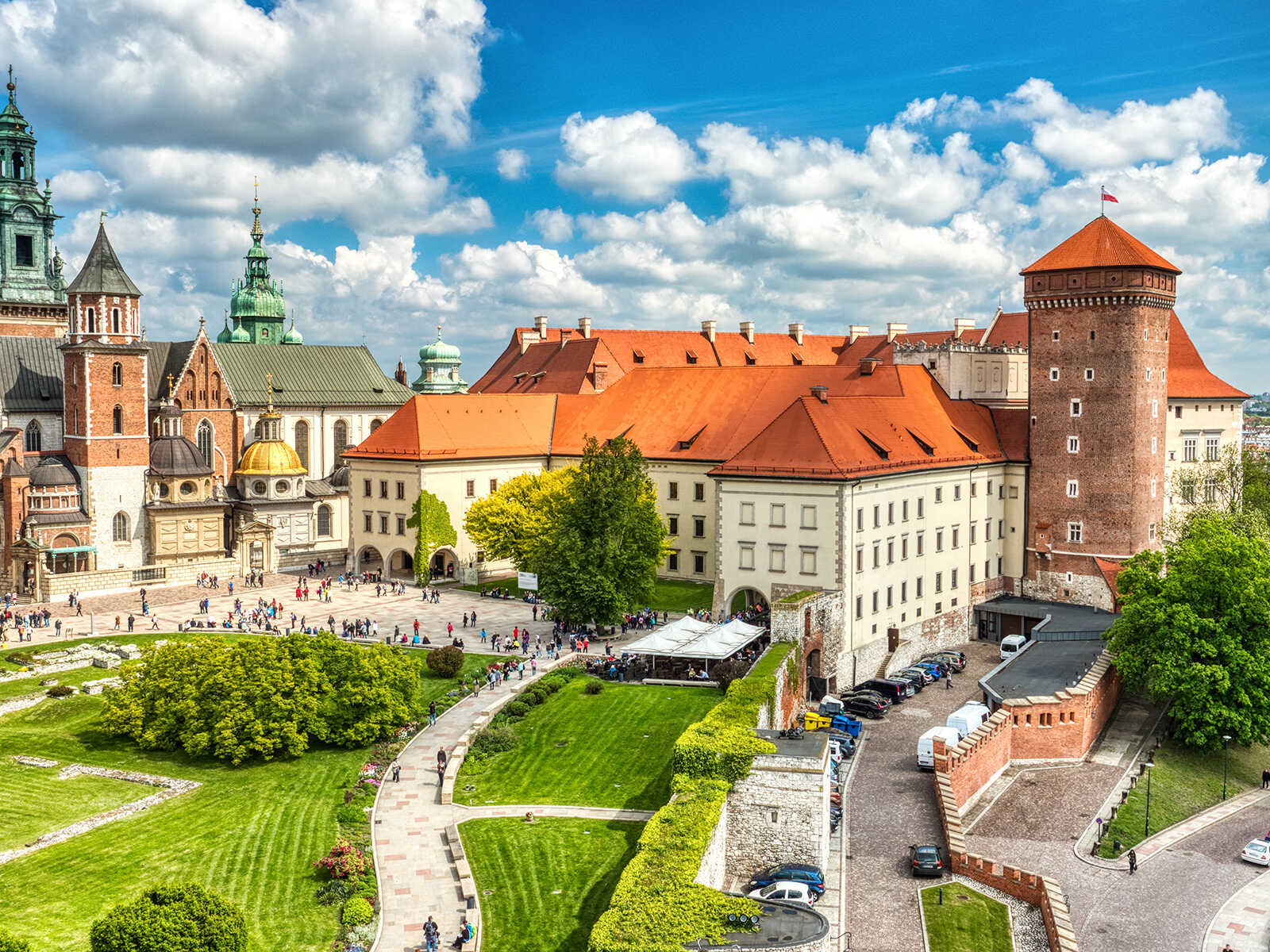
Poland Visa Requirements: Schengen Zone Entry
Planning a trip to Poland, a captivating country at the heart of Europe? As a proud member of the Schengen Area, Poland adheres to common visa policies, simplifying travel across its borders but requiring careful preparation from non-EU visitors. This comprehensive guide will walk you through everything you need to know about obtaining a visa for your Polish adventure.
Understanding the Schengen Area and Poland's Role
The Schengen Area is a zone comprising 27 European countries that have abolished passport and all other types of border control at their mutual borders. It functions as a single jurisdiction for international travel purposes, with a common visa policy.
Poland joined the Schengen Area in 2007, meaning that once you obtain a Schengen visa for Poland, you are generally permitted to travel to any other Schengen member state for the duration of your visa, without needing further border checks. This makes exploring neighbouring countries incredibly convenient after experiencing the charm of places like Gdansk Old Town or the vibrancy of Rynek Główny in Krakow.
Fun Fact:The Schengen Agreement was originally signed in 1985 in Schengen, Luxembourg, by five of the ten member states of the then European Economic Community.
Do You Need a Visa for Poland?
The necessity of a visa for Poland largely depends on your nationality and the intended duration and purpose of your stay. Generally, citizens of EU/EEA countries and Switzerland do not need a visa to enter Poland and can stay indefinitely. For all other nationalities, the rules vary.
Visa-Exempt Nationalities (Short Stays)
Many countries have visa-free agreements with the Schengen Area, allowing their citizens to enter Poland and other Schengen states for short stays without a visa. This typically applies to citizens of countries like the United States, Canada, Australia, New Zealand, the United Kingdom, Japan, and many others. If you are from a visa-exempt country, you can usually stay for up to90 days within any 180-day periodfor tourism, business, or visiting family/friends. You will only need a valid passport.
It's crucial to remember the "90/180-day rule": the total duration of your stays in the Schengen Area must not exceed 90 days within any 180-day period. Future travelers should also be aware of the upcoming ETIAS (European Travel Information and Authorisation System) requirement, which will apply to visa-exempt non-EU nationals for entry into the Schengen Area.
Visa-Required Nationalities
If your country does not have a visa-free agreement with the Schengen Area, you will need to apply for a Schengen visa to enter Poland. This applies to a vast number of countries across Asia, Africa, South America, and parts of Eastern Europe. Always check the official website of the Polish Ministry of Foreign Affairs or your local Polish embassy/consulate for the most up-to-date list of visa-required countries.
Types of Visas for Poland
Depending on your reason for visiting and the length of your stay, you will apply for a specific type of visa:
Short-Stay Schengen Visa (Type C)
This is the most common visa for tourists and short-term visitors. It allows you to stay in the Schengen Area, including Poland, for up to 90 days within a 180-day period. Purposes for this visa include:
- Tourism and sightseeing (e.g., exploring Warsaw Old Town or hiking Giewont)
- Business trips
- Visiting family or friends
- Short-term courses or training
- Medical treatment
- Cultural or sports events
Long-Stay National Visa (Type D)
If you intend to stay in Poland for more than 90 days (up to one year), you will need a National Visa. This visa is issued for specific long-term purposes such as:
- Work
- Study (e.g., at a Polish university)
- Family reunification
- Participation in cultural or exchange programs
A National Visa (Type D) also permits you to travel within other Schengen countries for up to 90 days in any 180-day period, just like a Type C Schengen visa, but its primary purpose is your long-term stay in Poland.
Airport Transit Visa (Type A)
Some nationalities may require an Airport Transit Visa if they are transiting through a Schengen airport without entering the Schengen Area itself (i.e., not leaving the international transit zone). Check if your nationality requires this if you have a connecting flight in Poland.
General Poland Schengen Visa Requirements (Type C)
Applying for a Schengen visa involves submitting a range of documents to prove your eligibility and intent. While specific requirements can vary slightly based on your nationality and the embassy/consulate, the following are generally required:
- Valid Passport:Your passport must be valid for at least three months beyond your intended departure date from the Schengen Area and have at least two blank pages.
- Schengen Visa Application Form:Fully completed and signed. These are usually available online through the embassy/consulate website or a visa application center (VAC).
- Passport-Sized Photographs:Two recent photos, meeting specific Schengen photo requirements (e.g., white background, full face visible).
- Travel Medical Insurance:Proof of travel medical insurance covering emergency medical treatment, hospitalisation, and repatriation, with a minimum coverage of €30,000. It must be valid throughout your entire stay in the Schengen Area.
- Proof of Accommodation:Confirmed hotel bookings for your entire stay, an invitation letter from a host (if staying with friends/family), or a rental agreement. This could include stays near iconic sites like Wawel Royal Castle or the vibrant Rynek in other Polish cities.
- Proof of Financial Means:Bank statements (usually for the last three to six months), salary slips, a letter of sponsorship, or proof of other financial assets to demonstrate you can support yourself during your stay.
- Proof of Return or Onward Travel:Confirmed round-trip flight tickets or an itinerary showing your departure from the Schengen Area.
- Purpose of Visit:A personal cover letter explaining your travel itinerary, the purpose of your trip, and the places you plan to visit (e.g., a detailed plan for exploring the Wieliczka Salt Mine, visiting Memorial and Museum Auschwitz, or enjoying Łazienki Park in Warsaw).
- Additional Documents:
- For Employees:Employment contract, recent pay slips, a letter from your employer granting leave.
- For Self-Employed:Business registration, bank statements.
- For Students:Letter from your educational institution.
- For Minors:Consent form from parents/guardians, birth certificate, copies of parents' passports.
- For Business Travelers:Invitation letter from a Polish company, company letter stating the purpose of travel.
The Application Process: Step-by-Step
Applying for a Polish Schengen visa typically involves these steps:
- Determine Your Visa Type:Based on your nationality and purpose of travel, identify whether you need a Short-Stay (Type C) or Long-Stay (Type D) visa.
- Gather Required Documents:Compile all necessary documents as outlined above and any specific additional requirements from the Polish embassy or consulate in your country.
- Book an Appointment:Schedule an appointment at the Polish embassy, consulate, or an authorized visa application center (VAC) in your country of residence. Some countries may allow online application submission, but an in-person appointment for biometrics is almost always required.
- Attend the Interview:On your appointment day, submit your application, provide your biometric data (fingerprints and a digital photo), and attend a short interview. Be prepared to answer questions about your trip.
- Pay the Visa Fee:The visa application fee must be paid at the time of submission.
- Wait for a Decision:Processing times can vary, typically ranging from 15 to 45 days. It's advisable to apply well in advance of your planned travel date.
- Collect Your Passport:Once a decision is made, you will be notified to collect your passport. If your visa is approved, ensure all details on the visa sticker are correct.
Important Tips for a Smooth Application
- Apply Early:Submit your application at least 3-4 weeks before your intended travel date, but no more than six months in advance.
- Be Meticulous:Ensure all documents are accurate, complete, and up-to-date. Any discrepancies can lead to delays or rejection.
- Organize Your Documents:Present your documents in the order requested by the embassy or VAC.
- Be Honest:Provide truthful information in your application and during your interview.
- Check Validity:Double-check the validity dates of your passport and proposed visa duration.
- Travel Insurance:Purchase comprehensive travel insurance that meets Schengen requirements. This is a non-negotiable part of your application.
After Your Visa is Approved: Entering Poland
A visa does not guarantee entry into Poland or the Schengen Area. Upon arrival at a Polish port of entry, border officials may ask to see your passport, visa, and other supporting documents such as proof of accommodation, return ticket, and sufficient funds. Always have these documents readily accessible.
Remember to respect the duration of your visa. Overstaying your visa can lead to fines, deportation, and future entry bans into the Schengen Area.
Exploring Poland with Your Visa
Once your visa is in hand, a world of incredible experiences awaits you in Poland. From the majestic Malbork Castle, a UNESCO World Heritage site, to the serene Sopot beach along the Baltic Sea, Poland offers diverse landscapes and rich history. Venture into the unique shifting dunes of Słowiński National Park, or witness the primeval beauty of Białowieża Forest. History buffs will find profound experiences at Oskar Schindler's Enamel Factory, while nature lovers can hike to the stunning Morskie Oko lake in the Tatra Mountains or marvel at the mystery of the Crooked Forest.
Navigating the visa application process can seem daunting, but with careful preparation and attention to detail, your journey to Poland will be well within reach. Begin your application early, gather all necessary documents, and soon you'll be ready to discover the unforgettable charm of this Central European gem.
Safe travels!