
Navigating Poland: A Guide to Trains, Buses, and Public Transportation
Exploring Poland's rich history, vibrant cities, and breathtaking natural landscapes is an unforgettable experience. Thankfully, its extensive and efficient public transportation network makes navigating this beautiful country incredibly accessible, affordable, and often, a scenic journey in itself. From high-speed trains connecting major metropolises to local buses reaching quaint villages, here’s your essential guide to getting around Poland with ease.
Why Choose Public Transportation in Poland?
Opting for public transport in Poland offers numerous advantages for travelers. It's an economical choice, allowing you to stretch your travel budget further. Beyond cost, it's an environmentally friendly way to explore, reducing your carbon footprint. Most importantly, it provides a unique opportunity to immerse yourself in local life, offering glimpses of daily routines and connecting you directly with the heart of Polish culture. Whether you're heading to a bustling city or a tranquil national park, Poland's network is designed to get you there.
Mastering Poland's Rail Network: PKP Intercity and Regional Trains
Poland's railway system, primarily operated by PKP (Polskie Koleje Państwowe), is a cornerstone of intercity travel. It offers a comfortable and often fast way to traverse the country, connecting major cities and many smaller towns.
PKP Intercity: Connecting Major Cities
For longer distances and connections between Poland's key urban centers,PKP Intercityis your go-to. They operate several categories of trains:
- EIP (Express InterCity Premium):These are Poland's high-speed Pendolino trains, offering the fastest connections between major cities like Warsaw, Krakow, and Gdansk. They boast modern amenities and a high level of comfort.
- IC (InterCity) and EIC (Express InterCity):These trains offer comfortable, air-conditioned travel between larger cities, with fewer stops than regional services. They are a great balance of speed and value.
- TLK (Twoje Linie Kolejowe):The most budget-friendly long-distance option, TLK trains are a good choice for travelers who aren't in a rush and prefer a more traditional rail experience.
Booking PKP Intercity tickets in advance is highly recommended, especially for EIP and IC/EIC services, and during peak seasons or holidays. You can purchase tickets online via the PKP Intercity website, through various third-party apps, or directly at train station ticket counters. Seat reservations are often mandatory or highly advisable for comfort.
Travel Tip:When booking train tickets, consider purchasing a first-class ticket if you desire more space and a quieter environment. The price difference is often not significant compared to Western European countries, offering excellent value.
Popular routes include Warsaw to Krakow,Gdansk to Warsaw, and connections to cities like Wroclaw and Poznan.
Regional and Local Trains (Polregio and others)
For exploring regions outside the main intercity corridors or connecting smaller towns,Polregio(formerly Przewozy Regionalne) trains are invaluable. These services are slower but provide comprehensive coverage, reaching places not served by Intercity trains. They are perfect for day trips or traveling between neighboring towns within a specific region, such as from Gdansk to Sopot beach via the SKM urban rail system.
Tickets for regional trains can usually be bought at station kiosks, from ticket machines, or sometimes directly from the conductor on board (often with a small surcharge). Advance booking is generally not necessary, as seat reservations are rare.
The Extensive Bus Network: PKS and Private Operators
While trains excel for intercity travel, buses often fill the gaps, providing essential connections to towns and villages not served by rail. They can also be a more direct or economical option for certain routes.
PKS: The Traditional Choice
PKS(Państwowa Komunikacja Samochodowa) refers to the traditional, often state-owned, regional bus companies. PKS buses have long been the backbone of local and regional transport, connecting virtually every corner of Poland. They are an excellent choice for reaching smaller towns, rural areas, or destinations where train connections are infrequent or indirect. Bus stations in most towns serve as central hubs for PKS services.
Private Bus Companies (e.g., FlixBus)
In recent years, private bus operators likeFlixBushave become very popular for intercity travel. These companies often offer modern, comfortable coaches with amenities like Wi-Fi and power outlets, frequently at competitive prices. They often have extensive networks connecting major Polish cities and even international destinations. Booking tickets for private bus companies is typically done online via their websites or mobile apps, well in advance for the best fares.
Buses are particularly useful for destinations like the Wieliczka Salt Mine from Krakow, or to reach Memorial and Museum Auschwitz, where direct bus services from Krakow are frequent and convenient.
Urban Exploration: City Public Transportation
Once you arrive in a Polish city, you'll find a well-developed and easy-to-use public transport system, usually comprising buses and trams, with a metro system unique to Warsaw.
Trams, Buses, and Metro (Warsaw)
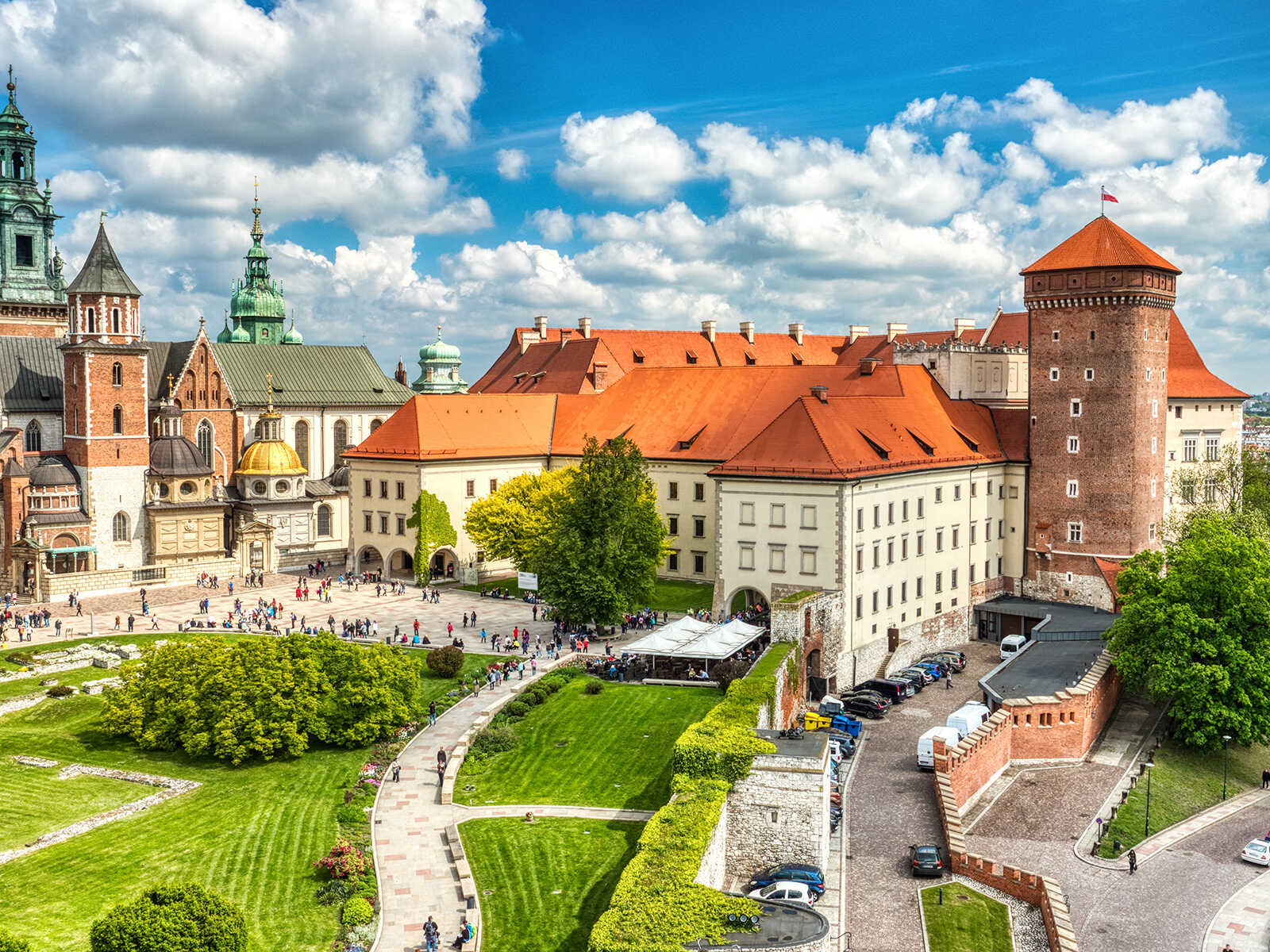
- Trams:Many Polish cities, including Krakow, Gdansk, Wroclaw, and Poznan, have extensive tram networks. Trams are an excellent way to navigate city centers and reach attractions like Wawel Royal Castle or Oskar Schindler's Enamel Factory in Krakow, offering a charming and efficient ride.
- Buses:City buses provide comprehensive coverage, reaching areas not served by trams or metro. They are particularly useful for connecting suburbs with city centers or reaching specific points of interest like Łazienki Park in Warsaw.
- Metro:Only Warsaw boasts a metro system, which is modern, fast, and highly efficient for traversing the city, complementing its bus and tram lines.
Ticketing Systems
Ticketing systems vary slightly by city but generally follow a similar pattern:
- Integrated Tickets:Many cities offer integrated tickets valid across all modes of transport (bus, tram, metro).
- Types of Tickets:You can typically buy single-journey tickets, time-limited tickets (e.g., 20-minute, 60-minute, 90-minute), daily passes, or multi-day passes. Day and multi-day passes are excellent value for tourists planning extensive sightseeing.
- Where to Buy:Tickets are available at kiosks (kiosk), ticket machines at stops or on board vehicles (which usually accept card payments and often cash), and via mobile apps.
- Validation:Always remember to validate your ticket immediately upon boarding a bus or tram, or before entering the metro platform.Failure to do so can result in a hefty fine.
Essential Tips for Navigating Poland's Public Transport
- Online Resources & Apps:Utilize official websites for PKP Intercity and Polregio for train schedules. For city transport, apps likeJakdojadeare indispensable, offering real-time schedules, route planning, and often ticket purchasing for local services in major cities. Google Maps is also generally reliable for public transport directions.
- Language Barrier:While English is increasingly common in major tourist areas, especially among younger staff, it's always helpful to have a few basic Polish phrases ready, especially when dealing with bus drivers or local ticket vendors.
- Ticket Validation is Key:This cannot be stressed enough. Unvalidated tickets are considered invalid. Look for small yellow or red machines on board buses and trams, or turnstiles/validators at metro entrances.
- Luggage:While trains generally accommodate luggage well, buses (especially older PKS services) might have limited space, requiring you to store larger bags in under-bus compartments.
- Safety & Security:Polish public transport is generally very safe. However, like anywhere, be aware of your surroundings and keep an eye on your belongings, especially in crowded areas or late at night.
- Accessibility:Newer trains, buses, and trams are increasingly accessible. However, older vehicles or less-trafficked routes might still pose challenges for travelers with mobility issues.
Getting to Specific Destinations with Public Transport
Poland's public transport system makes reaching its diverse attractions straightforward:
- To visit the stunning Wieliczka Salt Mine from Krakow, local trains (Koleje Małopolskie) or frequent public buses offer direct routes.
- A solemn journey to the Memorial and Museum Auschwitz is best undertaken by bus from Krakow, with direct services running regularly.
- For a trip to the magnificent Malbork Castle, direct trains from Gdansk are the most convenient option.
- Heading to the Tatra Mountains to hike towards Giewont or the beautiful Morskie Oko requires traveling to Zakopane. Buses from Krakow are the most popular and frequent choice for this scenic route.
- Exploring the ancient Białowieża Forest often involves taking a train to Białystok, followed by a local bus or taxi to reach the park's entrances.
- The unique moving dunes of Słowiński National Park are accessible via local buses from nearby towns like Łeba, which can be reached by regional train or bus.
Navigating Poland using its public transportation system is an enriching part of the travel experience. It’s an efficient, cost-effective, and authentic way to connect with the country and its people. With a little planning and these practical tips, you’ll be exploring Poland like a seasoned local in no time.