
Hiking in the Tatra Mountains Poland: Best Trails and Planning Guide
Embark on an unforgettable adventure in Poland's highest mountain range, the Tatra Mountains. This comprehensive guide will help you navigate the breathtaking landscapes, discover the best hiking trails for all skill levels, and plan your perfect trip to this stunning alpine wilderness.
Discovering the Polish Tatras
The Tatra Mountains, a majestic part of the Carpathian range, form a natural border between Poland and Slovakia. On the Polish side, the Tatra National Park (Tatrzański Park Narodowy – TPN) protects this unique alpine environment, renowned for its dramatic granite peaks, glacial lakes, lush valleys, and diverse wildlife, including chamois and marmots.
"The Tatras are not just a mountain range; they are a UNESCO Biosphere Reserve, protecting a unique alpine ecosystem that thrives amidst dramatic peaks and glacial valleys."
Zakopane: The Gateway to the Tatras
The charming town of Zakopane, nestled at the foot of the Tatras, serves as the unofficial winter capital of Poland and the primary base for hikers. Its vibrant atmosphere, distinctive wooden architecture, and bustling Krupówki street offer a perfect blend of mountain culture and modern amenities. From Zakopane, numerous well-marked trails lead directly into the heart of the national park.
Top Hiking Trails in the Polish Tatras
The Tatras offer an incredible variety of trails, catering to everyone from casual walkers to experienced mountaineers. Always choose trails appropriate for your fitness level and experience.
Easy to Moderate Hikes (Family-Friendly & Scenic)
- Morskie Oko Lake:Perhaps the most famous and accessible destination, the hike to Morskie Oko(Eye of the Sea) is a must-do. The 8km paved road from Palenica Białczańska leads to Poland's largest and most beautiful lake, surrounded by towering peaks. While mostly paved, the final ascent to the lake is steeper. Horse-drawn carriages are available for part of the journey if you prefer.
- Kasprowy Wierch (via Cable Car):For incredible panoramic views with minimal effort, take the cable car from Kuźnice (a district of Zakopane) straight to the summit of Kasprowy Wierch. From here, you can enjoy the vistas or embark on further hikes along the ridge, such as the picturesque Czerwone Wierchy (Red Peaks) trail.
- Dolina Kościeliska (Kościeliska Valley):This beautiful valley offers a gentle, scenic walk along a river, with several caves (some accessible to tourists), rock formations, and traditional shepherd huts. It's a fantastic option for families and those seeking a less strenuous day out.
Challenging Treks (For Experienced Hikers)
- Rysy:As Poland's highest peak (2499m),Rysy offers a truly demanding climb rewarded with unparalleled views. This strenuous route involves significant elevation gain, scrambling, and sections with fixed chains. It requires excellent fitness, a head for heights, and prior hiking experience. The trail is often covered in snow until late spring.
- Orla Perć (Eagle's Path):Widely considered the most difficult and dangerous trail in the Tatras, Orla Perć is an exposed ridge traverse featuring chains, ladders, and steep climbs. It is strictly for very experienced hikers with appropriate gear and no fear of heights. Sections of the path are one-way to manage traffic and enhance safety.
- Giewont:Known as the "Sleeping Knight,"Giewont is an iconic peak overlooking Zakopane. The climb to its cross-topped summit is popular but challenging, involving some steep sections and chains near the top. It can become very crowded, especially on weekends, leading to queues at the most difficult parts.
"Always check weather conditions before attempting any challenging hike, especially in the higher Tatras where conditions can change rapidly."
Multi-Day Hikes
For those looking to delve deeper into the Tatras, a network of mountain huts (schroniska) allows for multi-day treks. These huts offer basic accommodation and meals, enabling hikers to explore more remote areas and witness stunning sunrises and sunsets from high altitudes. Booking well in advance, especially during peak season, is essential.
Planning Your Tatra Hiking Adventure
Best Time to Visit
- Summer (June-September):This is the most popular time, offering the warmest weather and all trails open. Be prepared for crowds and occasional afternoon thunderstorms.
- Autumn (September-October):Fewer crowds, stunning autumn foliage, and cooler temperatures make this a beautiful time to visit. However, be aware of the risk of early snowfalls, especially at higher elevations.
- Spring (April-May):The Tatras awaken with wildflowers, but melting snow can make trails muddy or even impassable. Higher routes may still be closed due to snow and avalanche risk.
- Winter (November-March):Winter hiking requires specialized gear (crampons, ice axe), experience in avalanche assessment, and often a mountain guide. Many trails are closed, but the snowy landscapes are incredibly beautiful for those prepared.
Essential Gear and Packing List
Proper preparation is key to a safe and enjoyable hike:
- Sturdy hiking boots:Well broken-in and waterproof.
- Layered clothing:Weather can change rapidly. Include moisture-wicking base layers, insulating mid-layers, and a waterproof/windproof outer shell.
- Backpack:Comfortable and large enough for your gear.
- Water and snacks:Ample hydration and energy-rich food.
- Map, compass, or GPS device:Don't rely solely on your phone.
- First-aid kit:Essential for minor injuries.
- Headlamp:Even for day hikes, in case of unexpected delays.
- Sun protection:Sunglasses, hat, sunscreen.
- Mobile phone:Fully charged for emergencies (though signal can be patchy).
- For challenging routes:Consider a helmet and a via ferrata set (for Orla Perć).
Safety First
- Check weather forecasts:Mountain weather is unpredictable.
- Stay on marked trails:This protects both you and the fragile ecosystem.
- Inform someone of your plans:Let your accommodation or a friend know your intended route and expected return time.
- Mountain Rescue (TOPR):In an emergency, dial601 100 300or the general European emergency number112. TOPR services are free, but deliberate negligence can incur costs.
- Respect nature:Do not litter, feed animals, or pick plants. Dogs are generally not allowed on most TPN trails to protect wildlife.
Getting There and Around
The most common way to reach the Polish Tatras is via Krakow.
- By Air:Krakow (KRK) is the closest major international airport.
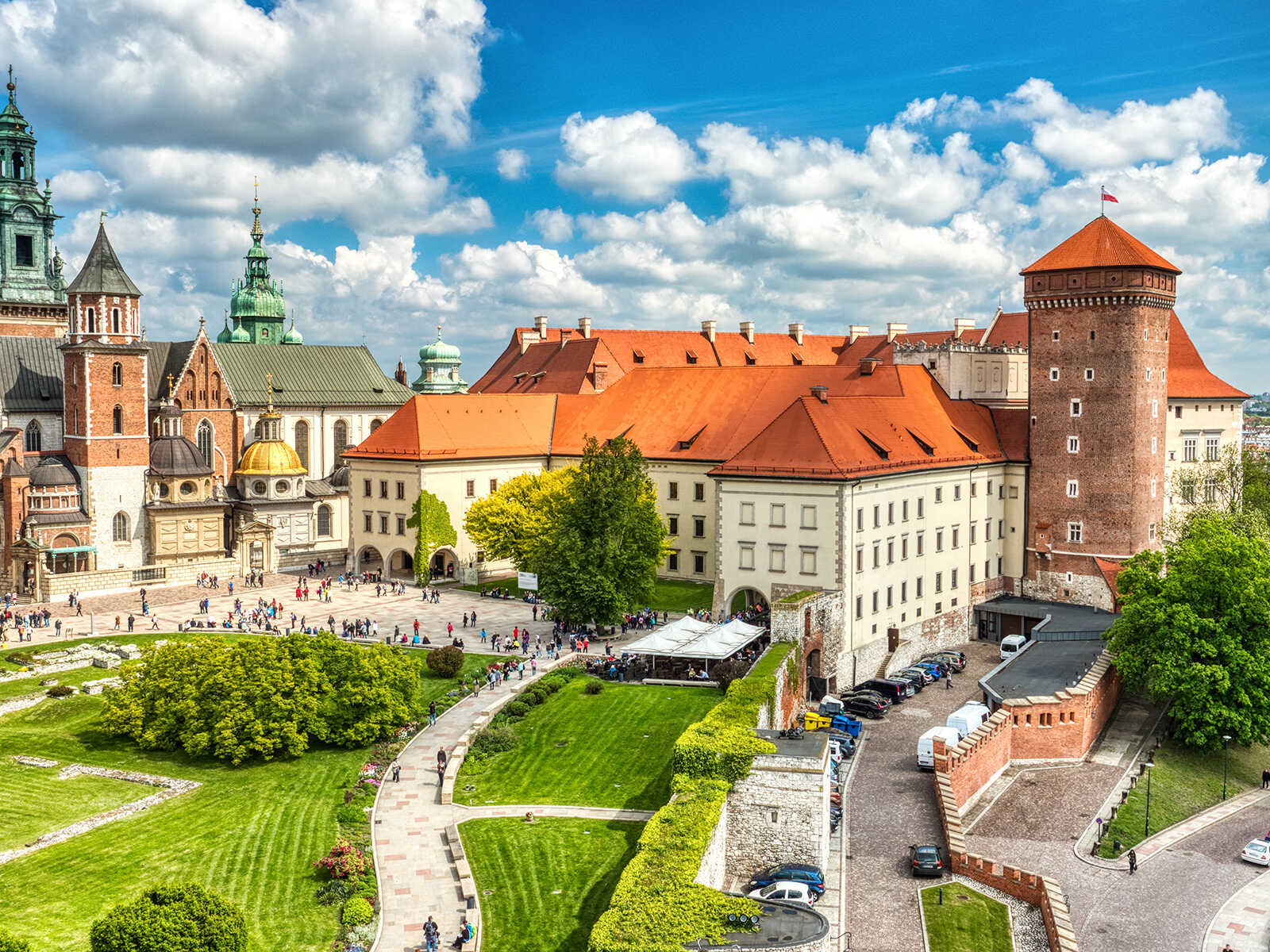
- From Krakow:Regular bus services connect Krakow's main bus station to Zakopane, with journeys typically lasting 2-3 hours. Before heading to the mountains, consider exploring Krakow's rich history, perhaps visiting Wawel Royal Castle or soaking in the atmosphere of Rynek Główny.
- Around Zakopane:Local buses, taxis, or simply walking can get you to many trailheads.
Respecting the Tatra National Park
The beauty of the Tatras is a shared responsibility. By adhering to the rules of the Tatra National Park, such as staying on marked trails, refraining from littering, and respecting wildlife, you contribute to the preservation of this incredible natural heritage for future generations. A small entrance fee to the park helps fund conservation efforts.
Beyond the Trails
After a rewarding day of hiking, Zakopane offers plenty of opportunities for relaxation. Indulge in traditional highlander cuisine, sample localoscypekcheese, or unwind in one of the nearby thermal baths. The vibrant cultural scene provides a perfect complement to your outdoor adventures.
The Tatra Mountains in Poland offer an unparalleled hiking experience, blending stunning natural beauty with diverse challenges. With careful planning and respect for the environment, your journey into these majestic peaks will undoubtedly be an unforgettable chapter in your travel story.