
Easter in Poland: Traditions, Food, and Celebrations You Can Experience
Immerse yourself in one of Poland's most significant and vibrant holidays: Easter. Far more than just a religious observance, it's a deeply rooted cultural experience filled with unique customs, delicious seasonal foods, and heartwarming family gatherings. Discover how Poles celebrate this joyous time and what you, as a traveler, can expect.
The Significance of Easter in Poland
Easter, orWielkanoc, holds immense importance in Poland, a country with a strong Catholic heritage. It marks the resurrection of Christ and is celebrated with a blend of solemn religious ceremonies and joyful folk traditions passed down through generations. The entire period, from Ash Wednesday through the preparatoryWielki Post(Lent) to Easter Monday, is rich with meaning and activity, making it a truly special time to visit.
Holy Week: A Journey Through Tradition
The week leading up to Easter Sunday, known as Holy Week (Wielki Tydzień), is a time of intense preparation, both spiritual and practical.
Palm Sunday (Niedziela Palmowa)
Easter celebrations officially begin on Palm Sunday, commemorating Jesus's entry into Jerusalem. Poles bring beautifully crafted "palms" (palemki) to churches for blessing. These aren't tropical palm fronds, but often intricate arrangements of dried flowers, pussy willows, colourful ribbons, and evergreen branches. In some regions, especially in the south, these can be extraordinarily tall and elaborate, sometimes reaching several meters high.
Holy Thursday (Wielki Czwartek)
This day commemorates the Last Supper and the institution of the Eucharist. Churches hold special evening masses, often including the washing of feet ceremony, symbolizing humility and service. The atmosphere becomes more solemn as the focus shifts towards the upcoming Passion of Christ.
Good Friday (Wielki Piątek)
Good Friday is a day of deep solemnity, fasting, and abstinence. Many Poles attend Stations of the Cross (Droga Krzyżowa) services. Churches often feature a symbolic "Grave of Christ" (Grób Pański), elaborately decorated with flowers and candles, where people come to pray and reflect. It's a quiet day, with many shops closing early.
Holy Saturday (Wielka Sobota)
Holy Saturday is perhaps the most visually charming day for visitors, primarily due to the tradition ofŚwięconka, the blessing of Easter baskets. Families meticulously prepare baskets filled with symbolic foods to be blessed by a priest. This ritual typically takes place in churches throughout the day, and you can often see long queues of families carrying their beautifully adorned baskets.
Tip for Travelers:Even if you don't have a basket to bless, visiting a local church, especially in city centers like Rynek Główny in Krakow or Warsaw Old Town, on Holy Saturday morning offers a wonderful glimpse into this cherished tradition.
Each item in theŚwięconkabasket carries deep symbolism:
- Eggs (Jajka):Symbolizing new life and Christ's resurrection.
- Bread (Chleb):The staff of life, Christ as the Bread of Life.
- Salt (Sól):Purity, preservation, and warding off evil.
- Sausage (Kiełbasa) or Ham (Szynka):Prosperity and abundance.
- Horseradish (Chrzan):Strength and the bitterness of Christ's Passion.
- Lamb (Baranek):Often a small sugar or bread lamb, representing Christ, the Lamb of God.
- Cake (Babka or Mazurek):Sweetness and the end of fasting.
Later in the evening, the Easter Vigil Mass is held, marking the transition from sorrow to joy with the blessing of fire and water, and the lighting of the Paschal candle.
Easter Sunday (Wielkanoc): The Feast Begins!
Easter Sunday is the pinnacle of the celebrations, a day of immense joy, feasting, and family time.
Resurrection Mass (Rezurekcja)
The day often begins with an early morning Resurrection Mass, sometimes as early as 6:00 AM, accompanied by a joyful procession around the church. This jubilant service proclaims Christ's victory over death and is a powerful experience, even for non-religious observers, due to its festive atmosphere and traditional hymns.
Easter Breakfast (Śniadanie Wielkanocne)
Following the Mass, families gather for the most important meal of the holiday: the Easter breakfast. This elaborate feast begins with the sharing of the blessed food from theŚwięconkabasket. A special tradition is breaking and sharing a hard-boiled egg with family members, exchanging good wishes, much like Christmas Eve wafers.
Traditional Easter Foods
The Easter table groans under the weight of traditional Polish delicacies, a reward after the Lenten fast:
- Żurek Wielkanocny:A hearty sour rye soup, often served with white sausage and hard-boiled eggs. It's a quintessential Easter dish.
- Biała Kiełbasa:White sausage, typically boiled or baked, and a staple of the Easter breakfast.
- Eggs (Jajka):Beyond the blessed eggs, beautifully decorated eggs (pisankiorkraszanki) adorn the table and are eaten throughout the day.
- Mazurek:A flat, elaborately decorated shortcrust pastry cake, often topped with nuts, dried fruits, or icing, making it a true Easter masterpiece.
- Babka Wielkanocna:A rich, yeasted cake, often lemon-flavored and drizzled with icing.
- Chrzan:Grated horseradish, sometimes mixed with beetroot (ćwikła z chrzanem), served as a pungent accompaniment to meats.
- Sernik:While popular year-round, a rich Polish cheesecake is a must-have on the Easter table.
Easter Monday (Lany Poniedziałek): Śmigus-Dyngus
The festivities continue on Easter Monday, known asLany Poniedziałekor "Wet Monday," famous for the playful tradition ofŚmigus-Dyngus. This involves people, especially children and young adults, dousing each other with water. Historically, it was believed to cleanse and bring good fortune for the coming year.
Fun Fact:The tradition ofŚmigus-Dyngusonce involved two separate rituals:Śmigus(splashing with water) andDyngus(visiting houses for treats). Over time, they merged into one joyous, if sometimes chaotic, water fight!
While it can range from a few drops to a full bucket, be prepared to get wet if you're out and about, especially in residential areas or near parks like Łazienki Park in Warsaw. It's all in good fun and a light-hearted end to the Easter celebrations.
Experiencing Easter in Poland: Tips for Travelers
Visiting Poland during Easter offers a unique cultural immersion, but it's wise to be prepared:
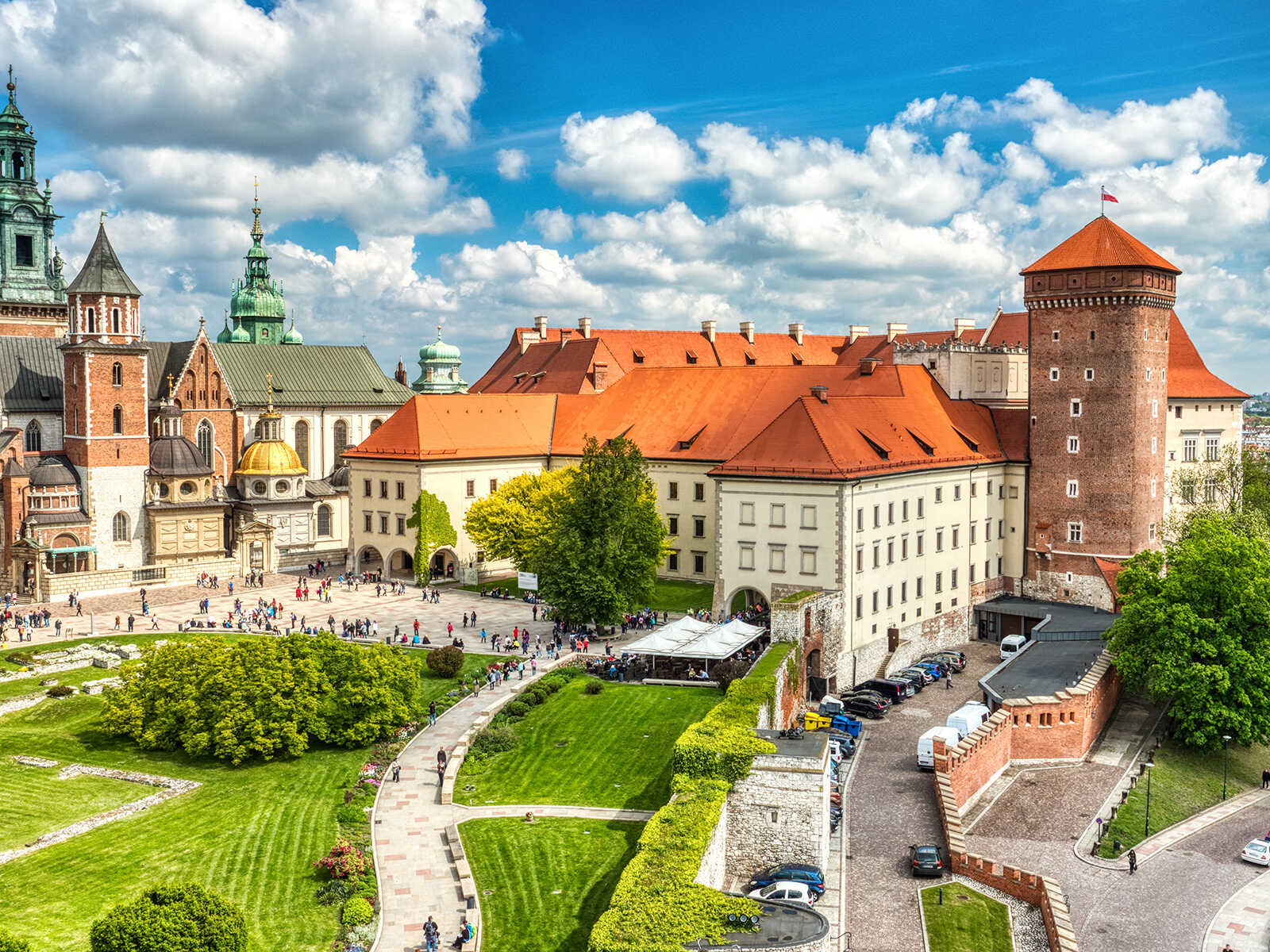
- Book Accommodation Early:Easter is a popular time for domestic travel, so hotels and guesthouses, particularly in popular destinations like Krakow (near Wawel Royal Castle) or Warsaw, fill up quickly.
- Transportation:Public transport schedules will be reduced on Easter Sunday and Monday. Plan your movements accordingly. Long-distance trains and buses may also have limited services.
- Shop Closures:Expect most shops, supermarkets, banks, and some restaurants to be closed on Easter Sunday and Monday. Stock up on essentials beforehand, especially on Holy Saturday. Some smaller convenience stores or gas stations might remain open.
- Attend a Service:Even if you're not religious, attending a Palm Sunday procession, a Good Friday service, or the Blessing of the Baskets on Holy Saturday can be a profound cultural experience. Dress respectfully.
- Embrace the Atmosphere:While some services are solemn, Easter is ultimately a celebration of joy and renewal. Enjoy the festive decorations, the smell of freshly baked cakes, and the warmth of Polish hospitality.
Experiencing Easter in Poland is an unforgettable journey into the heart of Polish culture and tradition. From the intricate palm weaving to the grand family feasts and playful water fights, it offers a glimpse into the country's rich heritage that is both deeply spiritual and wonderfully joyful.