
Best Time to Visit Poland: Krakow Culture & Baltic Summer
Poland offers a diverse range of experiences, from historic cityscapes to pristine natural beauty, each season painting the country in a unique light. Deciding the best time to visit often depends on your interests, whether you're drawn to vibrant urban culture or sun-drenched coastal escapes. This guide explores the seasonal nuances to help you plan your perfect Polish adventure.
Spring (March – May): Blossoms and Awakening Cities
Spring in Poland is a time of renewal, with landscapes bursting into life. The weather is mild, gradually warming up from an average of 5°C (41°F) in March to a pleasant 15°C (59°F) in May, though occasional rain showers are possible. This season offers a more tranquil experience with fewer crowds than the peak summer months.
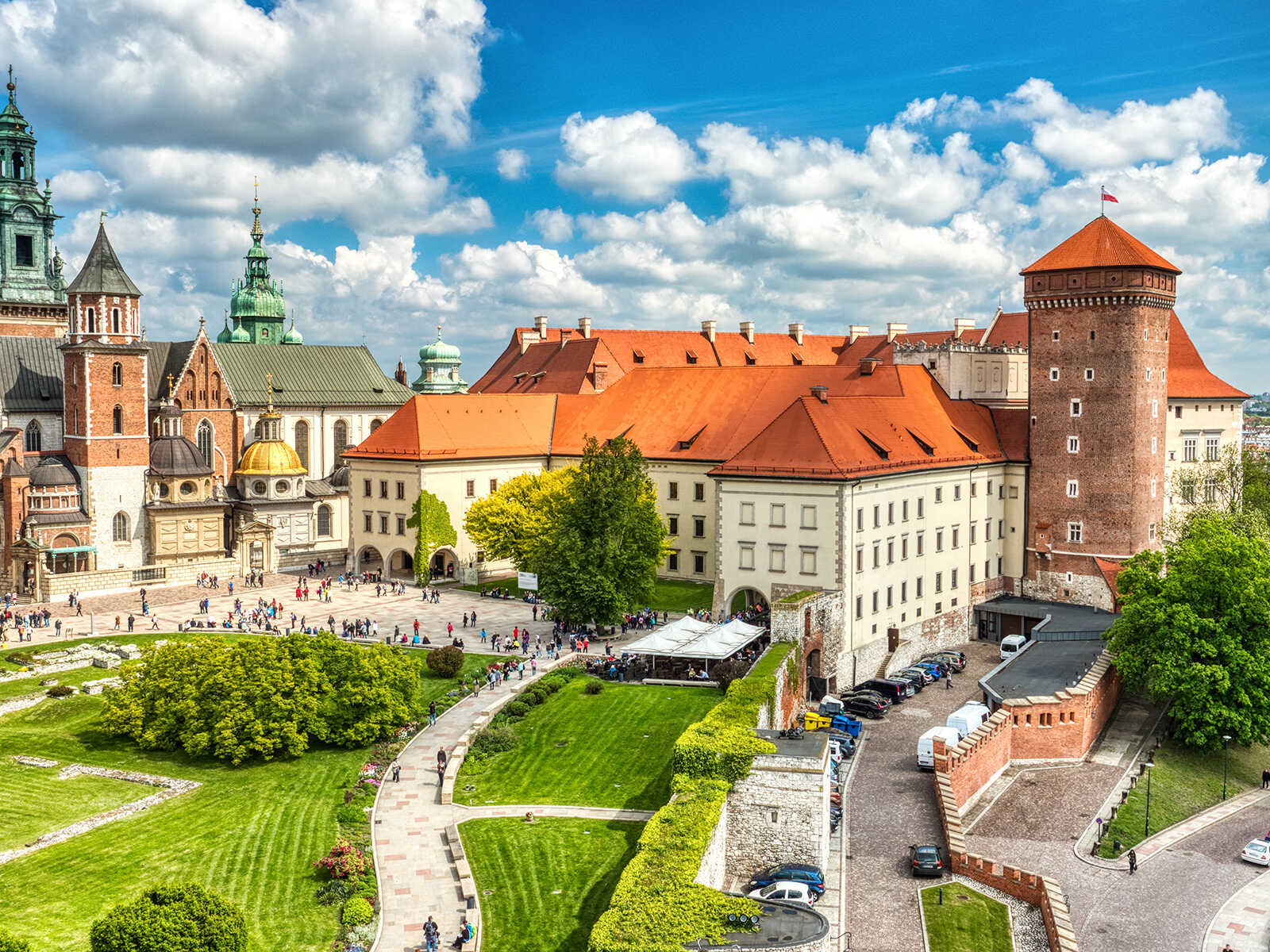
It's an ideal time for city exploration. Stroll through Krakow's charming streets, visit the iconic Wawel Royal Castle, or explore the expansive Rynek Główny(Main Market Square). Spring is also excellent for visiting the solemn Memorial and Museum Auschwitz, as the smaller crowds allow for a more reflective experience. Delve into the fascinating underground world of the Wieliczka Salt Mine or step back in time at Oskar Schindler's Enamel Factory. Nature lovers can witness the reawakening of the ancient Białowieża Forest, home to European bison.
- Pros:Pleasant temperatures, fewer tourists, often lower accommodation prices, blooming landscapes.
- Cons:Unpredictable weather (can still be chilly, especially in March), some outdoor attractions might have limited hours early in the season.
Summer (June – August): Baltic Beaches and Mountain Adventures
Summer is Poland's warmest and sunniest season, with temperatures typically ranging from 20°C (68°F) to 25°C (77°F), often higher in July and August. This is peak tourist season, marked by lively atmospheres, outdoor cafes, and numerous festivals. Occasional thunderstorms can occur, providing a refreshing break from the heat.
This is prime time for the Baltic coast. Enjoy the golden sands of Sopot beach, explore the historic Gdansk Old Town with its distinctive architecture, or visit the impressive Malbork Castle, a UNESCO World Heritage site. Further west, discover the unique shifting dunes of Słowiński National Park. For mountain enthusiasts, hiking in the Tatra Mountains is spectacular, with trails leading to peaks like Giewont or the stunning glacial lake of Morskie Oko. Cities like Krakow and Warsaw are vibrant with street performers and outdoor events.
Poland's summer offers exceptionally long daylight hours, with the sun setting as late as 9 PM in June, providing ample time for sightseeing and enjoying the vibrant outdoor atmosphere.
- Pros:Best weather for outdoor activities, long daylight hours, numerous festivals and events.
- Cons:Peak tourist season means larger crowds, higher prices for accommodation and flights, popular attractions can be very busy.
Autumn (September – November): Golden Hues and Cultural Immersion
Autumn, often referred to as "Polish Golden Autumn," is a truly beautiful season. September is mild, with temperatures around 15°C (59°F), offering crisp air and stunning foliage. As the season progresses, it gets cooler, dropping to 5°C (41°F) or lower by November, with increasing chances of rain.
This season is renowned for its spectacular scenery, especially in national parks and mountainous regions. It's an excellent time for cultural immersion in cities without the intense summer crowds. Wander through Warsaw Old Town, explore the serene Łazienki Park, or enjoy a leisurely walk around Krakow's Rynek Główny. Many cultural institutions host events, and cafes become cozy havens. This season is also good for visiting the Memorial and Museum Auschwitz for a quieter, more contemplative visit.
- Pros:Stunning fall colors, fewer tourists, pleasant temperatures (especially in September), ideal for hiking and photography.
- Cons:Shorter daylight hours, increasing chances of rain and colder weather as the season progresses, some outdoor attractions may close or reduce hours by late autumn.
Winter (December – February): Festive Charm and Snowy Landscapes
Poland transforms into a winter wonderland in these months, with cold temperatures, often accompanied by snow, especially in the south. Temperatures typically hover around 0°C (32°F), frequently dropping below freezing. Despite the cold, winter offers a magical and festive atmosphere.
Christmas markets in cities like Krakow and Warsaw are enchanting, filled with festive lights, local crafts, and traditional treats. Skiing and snowboarding are popular in the Tatra Mountains (Zakopane region). Ice skating rinks pop up in city centers, and cozy cafes offer warm pierogi and mulled wine. While cold, a visit to the Wieliczka Salt Mine is comfortable year-round, and the Memorial and Museum Auschwitz offers a stark and poignant experience, often with fewer visitors.
- Pros:Festive atmosphere, winter sports opportunities, lower prices (outside of holiday periods), unique charm.
- Cons:Very cold, limited daylight, some attractions might be closed or have reduced hours, travel can be affected by heavy snowfall.
Deep Dive: Krakow Culture & Baltic Summer
The title highlights two distinct Polish experiences, and for good reason – they often define the peak seasons for different types of travelers.
Krakow Culture: A Year-Round Enchantment, Best in Spring & Autumn
Krakow, with its rich history and vibrant artistic scene, is a city that captivates throughout the year. While summer offers a bustling, lively atmosphere with numerous outdoor events around the Rynek Główny, spring and autumn often present the ideal balance for cultural exploration. The milder weather in May and September/October means comfortable walking temperatures for exploring Wawel Royal Castle, Kazimierz (the Jewish Quarter), and museums like Oskar Schindler's Enamel Factory. Fewer crowds allow for more intimate experiences at sites like the Wieliczka Salt Mine and a more reflective visit to the Memorial and Museum Auschwitz. The crisp air and golden foliage of autumn truly enhance the city's ancient charm.
Baltic Summer: Sun, Sand, and Sea
For those dreaming of coastal relaxation and seaside fun, the Baltic region of Poland truly shines in the summer months (July and August being peak). The longer days and warmer temperatures are perfect for enjoying the beaches of Sopot beach, exploring the maritime history of Gdansk Old Town, or taking a refreshing dip in the Baltic Sea. Summer is also the best time to explore the unique moving dunes of Słowiński National Park or embark on a day trip to the formidable Malbork Castle. While the Baltic Sea isn't tropical, its summer warmth and the vibrant coastal atmosphere make it a fantastic destination for a European beach holiday.
Planning Your Polish Adventure: Tips for Every Season
Regardless of when you decide to visit Poland, a few practical tips can enhance your experience:
- Pack Layers:Polish weather can be unpredictable, especially in spring and autumn. Layers will allow you to adapt to changing temperatures throughout the day.
- Book in Advance:For peak summer months (July-August) and around major holidays (Christmas, Easter), accommodation and popular tours (e.g., to the Wieliczka Salt Mine or Memorial and Museum Auschwitz) should be booked well in advance.
- Consider Public Transport:Poland has an extensive and affordable public transport network, including trains and buses, making it easy to travel between cities like Krakow, Warsaw, and Gdansk.
- Explore Beyond the Main Hubs:While Krakow and Warsaw are must-sees, don't forget other gems. Consider a trip to the Pieniny Mountains for rafting, or explore the unique Crooked Forest.
Conclusion: Your Ideal Polish Journey Awaits
Poland truly is a year-round destination, each season offering distinct advantages for different types of travelers. Whether you envision a festive winter escape, a vibrant summer beach holiday, or a cultural deep-dive amidst the quieter beauty of spring or autumn, this captivating country promises an unforgettable experience. Consider your priorities – crowd levels, weather preferences, and desired activities – and you'll find the perfect time to discover the magic of Poland, from the historic charm of Krakow to the refreshing allure of the Baltic coast.