
Auschwitz-Birkenau: How to Visit Respectfully (Complete Guide)
Visiting Auschwitz-Birkenau is a profound and deeply moving experience, offering a stark reminder of humanity's darkest chapter. This guide provides essential information and practical advice to ensure your visit is conducted with the utmost respect, understanding, and dignity this hallowed ground deserves.
Understanding the Significance of Auschwitz-Birkenau
Auschwitz-Birkenau was the largest of the German Nazi concentration and extermination camps, operating during World War II. It stands today as a chilling testament to the Holocaust, where approximately 1.1 million people, primarily Jews, but also Poles, Roma, Soviet prisoners of war, and others, were systematically murdered. The site comprises two main parts: Auschwitz I, the original concentration camp, and Auschwitz II-Birkenau, the much larger extermination camp.
More than just a historical site, Auschwitz-Birkenau is a UNESCO World Heritage site and a permanent memorial, serving as a powerful warning against hatred, intolerance, and genocide. It is a place for reflection, remembrance, and education, urging visitors to confront the past to prevent its recurrence.
"Those who do not remember the past are condemned to repeat it."– George Santayana. Visiting Auschwitz-Birkenau is an act of remembrance, ensuring its lessons are never forgotten.
Planning Your Visit: Essential Information
Location and Getting There
Auschwitz-Birkenau is located near the town of Oświęcim, approximately 70 kilometers west of Krakow. Krakow serves as the most common base for visitors, offering numerous transport options. You can reach the Memorial and Museum by:
- Organized Tour:Many companies in Krakow offer guided tours, often including transport and a pre-booked museum guide. This is a convenient option for many travelers, allowing you to also visit other significant sites nearby like Oskar Schindler's Enamel Factory or Wieliczka Salt Mine on separate days.
- Public Bus:Direct buses run regularly from Krakow's main bus station to the Oświęcim Museum stop.
- Train:Trains run from Krakow Glowny (main station) to Oświęcim station. From there, it's a short taxi or local bus ride to the museum.
Booking Your Visit
Due to the site's immense historical significance and the large number of visitors, advance booking is highly recommended, especially during peak season. You can book directly through the official website of the Memorial and Museum Auschwitz.
- Guided Tours:A guided tour led by an official museum educator is strongly advised. These tours provide invaluable historical context, navigate the complex site efficiently, and ensure a deeper, more respectful understanding of what you are seeing. Tours are offered in various languages and typically last around 3.5 to 4 hours.
- Individual Entry:It is possible to visit without a guide, but individual entry slots are limited and often only available at specific times, particularly in the morning or late afternoon. You will still need to reserve an "individual visitor pass" online.
What to Expect: Auschwitz I and Birkenau (Auschwitz II)
Your visit will typically encompass both main camps. There is a free shuttle bus service connecting Auschwitz I and Birkenau, running every few minutes.
- Auschwitz I (The Main Camp):This was the administrative center and the first camp established. Here, you'll see original brick barracks, the infamous "Arbeit Macht Frei" (Work Sets You Free) gate, exhibition blocks detailing the lives and deaths of prisoners, the Wall of Death, and the gas chamber/crematorium. The exhibitions are meticulously curated, displaying personal belongings, photographs, and documents that provide a harrowing glimpse into the atrocities committed.
- Auschwitz II-Birkenau (The Extermination Camp):Located about 3.5 kilometers from Auschwitz I, Birkenau is vast and sprawling. This is where the majority of the murders took place. You'll see the iconic "Gate of Death" with the railway tracks leading into the camp, wooden barracks, the ruins of gas chambers and crematoria that were destroyed by the Nazis, and the poignant memorials to the victims. The sheer scale of Birkenau is overwhelming, designed for mass extermination.
Essential Tips for a Respectful Visit
A visit to Auschwitz-Birkenau requires a particular mindset and adherence to certain guidelines to honor the victims and the solemnity of the site.
Dress Code
Dress modestly and respectfully. Comfortable shoes are essential, as you will be walking extensively across uneven terrain, especially at Birkenau. Be prepared for various weather conditions, as much of the visit is outdoors.
Photography Policy
Photography is generally permitted in most outdoor areas and some indoor exhibits, butstrictly forbiddenin specific exhibition halls that display human remains or sensitive artifacts. Always observe signage. More importantly, consider the context: avoid selfies, smiling, or any poses that could be deemed disrespectful or trivializing. Use photography as a tool for documentation and remembrance, not for personal display.
Behavior On-Site
Maintain a solemn and respectful demeanor throughout your visit:
- Silence:Speak in hushed tones, if at all. Avoid loud conversations or laughter.
- Food and Drink:Eating, drinking, and smoking are strictly prohibited within the exhibition halls and memorial areas.
- Touching Exhibits:Do not touch any of the exhibits, buildings, or artifacts. They are preserved as they were found, and touching can cause damage.
- Stay with Your Guide:If on a guided tour, remain with your group and listen attentively to your educator.
- Children:The museum recommends against visiting with children under 14 due to the graphic nature and emotional intensity of the site.
Mental and Emotional Preparation
This visit will be emotionally challenging. Be prepared for strong feelings of sadness, anger, and despair. It is normal to feel overwhelmed. Allow yourself time to process the experience during and after your visit. Discussing your feelings with fellow travelers or taking moments of quiet reflection can be helpful.
Time Commitment
Allocate a minimum of 3.5 to 4 hours for a guided tour of both camps. If you plan an individual visit, you might need more time to navigate and absorb the information at your own pace. Factor in travel time from Krakow, which can add another 2-3 hours to your day.
Who Should Visit? (And Who Should Reconsider)
A visit to Auschwitz-Birkenau is an important educational experience for mature individuals who are ready to confront the realities of the Holocaust. It is generally recommended for adults and teenagers from approximately 14 years old and up. For younger children, the graphic nature of the exhibits and the emotional weight of the site can be traumatizing and difficult to comprehend.
Understanding history is not just about facts, but about empathy and the human story. A visit to Auschwitz-Birkenau is a profound lesson in both.
Beyond Auschwitz: Other Important Historical Sites in Poland
While Auschwitz-Birkenau is unparalleled in its significance, Poland offers many other sites that provide historical context and insight into its rich and often tragic past. Consider visiting:
- Oskar Schindler's Enamel Factory in Krakow, which tells the story of Krakow under Nazi occupation and the heroic efforts of Oskar Schindler.
- Warsaw Old Town, meticulously rebuilt after its near-total destruction during World War II, stands as a symbol of Polish resilience.
- The European Solidarity Centre in Gdansk Old Town, which explores the birth of the Solidarity movement and the fall of communism.
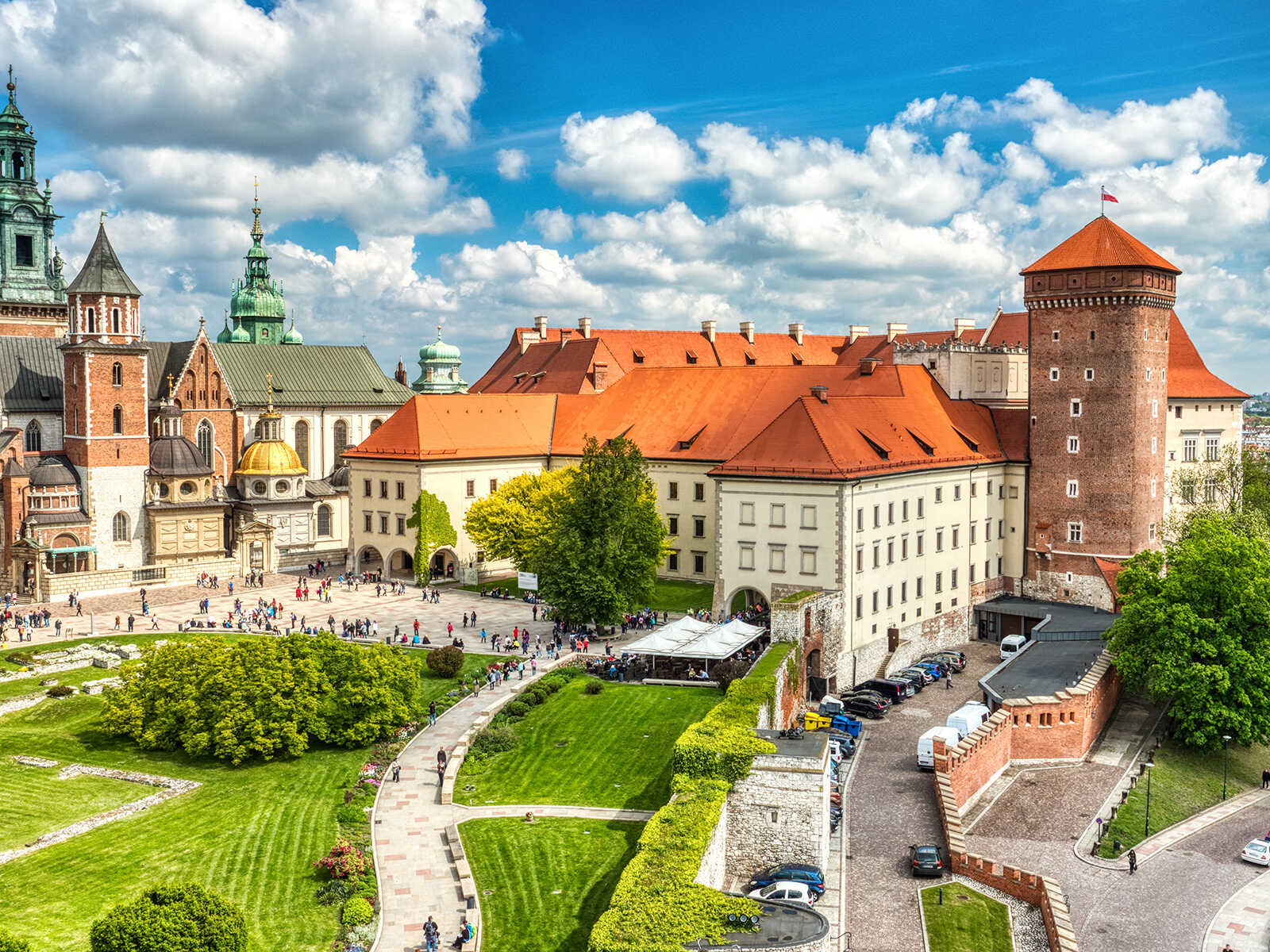
- The Wawel Royal Castle in Krakow, offering a journey through centuries of Polish monarchy and history.
Conclusion: A Journey of Remembrance
Visiting Auschwitz-Birkenau is not merely a tourist activity; it is a pilgrimage, an act of remembrance, and a commitment to learning from history. By approaching this sacred site with respect, empathy, and an open mind, visitors contribute to keeping the memory of the victims alive and honoring the solemn lessons it imparts. It is an experience that will stay with you long after you leave, reinforcing the importance of peace, tolerance, and human dignity.
Your journey to Auschwitz-Birkenau is a powerful step in ensuring that such atrocities are never forgotten and hopefully, never repeated.