
Understanding Altitude Sickness in Peru: Prevention & Acclimatization Tips
Peru, a land of ancient wonders and breathtaking landscapes, beckons travelers with its majestic Andes. While iconic sites like Machu Picchu and Lake Titicaca offer unforgettable experiences, the high altitudes can pose a challenge. Understanding altitude sickness and how to prevent it is crucial for a safe and enjoyable adventure in the Peruvian highlands.
What is Altitude Sickness?
Altitude sickness, medically known as Acute Mountain Sickness (AMS), occurs when your body struggles to adapt to the reduced oxygen pressure at high elevations. As you ascend, the air thins, meaning there's less oxygen available with each breath. While most people can adapt over time, rapid ascent without proper acclimatization can trigger a range of symptoms, from mild discomfort to severe, life-threatening conditions.
The Spectrum of Altitude Sickness
- Acute Mountain Sickness (AMS):This is the most common and mildest form. Symptoms typically appear 6-24 hours after ascending to high altitude and often resolve within a few days with proper rest and acclimatization.
- High-Altitude Cerebral Edema (HACE):A severe, life-threatening form where fluid builds up in the brain. It's a progression of AMS and requires immediate descent and medical attention.
- High-Altitude Pulmonary Edema (HAPE):Another severe, life-threatening condition where fluid accumulates in the lungs. Like HACE, it requires urgent descent and medical care.
Common Symptoms of Altitude Sickness
Recognizing the signs of altitude sickness early is vital for effective management. Symptoms can vary in intensity and may mimic those of a bad hangover or flu. Pay close attention to your body:
- Headache (often the first and most common symptom)
- Nausea or vomiting
- Dizziness or lightheadedness
- Fatigue and weakness
- Shortness of breath, especially with exertion
- Difficulty sleeping or disturbed sleep patterns
- Loss of appetite
More severe symptoms, indicating HACE or HAPE, include confusion, loss of coordination (ataxia), severe shortness of breath at rest, a persistent cough, and a gurgling sound in the chest.If you experience any of these severe symptoms, seek medical help immediately and begin descent.
Who is at Risk?
Anyone traveling to high altitudes can experience altitude sickness, regardless of age, fitness level, or previous experience at elevation. It's a common misconception that being physically fit makes you immune; in fact, fit individuals sometimes push themselves harder, potentially exacerbating symptoms. Factors like genetics, pre-existing medical conditions (e.g., heart or lung disease), and a history of altitude sickness can increase your susceptibility. However, the most significant risk factor is a rapid ascent to high elevation without adequate acclimatization.
Prevention is Key: Acclimatization Strategies
The best way to combat altitude sickness is to prevent it. Acclimatization is the process by which your body gradually adjusts to lower oxygen levels. Here’s how to do it effectively:
1. Gradual Ascent: Arrive Low, Go Slow
This is arguably the most critical rule. If possible, fly into a lower-altitude city like Lima first. Spend a day or two there before heading to higher elevations such as Cusco(3,400m / 11,150 ft) or Puno (on Lake Titicaca at 3,800m / 12,507 ft). When you arrive at a high-altitude destination, avoid strenuous activity for the first 24-48 hours. Many travelers find it beneficial to spend their first few nights in Cusco before venturing to even higher points like Rainbow Mountain or even tackling the full Machu Picchu trek.
Tip:Consider spending your first night or two in The Sacred Valley(e.g., Urubamba or Ollantaytambo), which sits at a slightly lower elevation (around 2,800m / 9,186 ft) than Cusco. This can provide a gentler introduction to high altitude.
2. Stay Hydrated
Dehydration can worsen altitude sickness symptoms. Drink plenty of water throughout the day, starting even before your ascent. Aim for 3-4 liters of water daily. Avoid excessive caffeine, which can have a diuretic effect.
3. Eat Lightly and Wisely
While at high altitudes, your body is working harder. Opt for light, carbohydrate-rich meals. Avoid heavy, fatty foods, which are harder to digest. Many local Peruvian dishes, rich in vegetables, rice, and lean proteins, are excellent choices.
4. Avoid Alcohol and Smoking
Alcohol and tobacco can significantly impair your body's ability to acclimatize. Alcohol acts as a diuretic, contributing to dehydration, and depresses respiratory drive, reducing oxygen intake. Smoking further restricts oxygen absorption. It's best to abstain for at least the first few days at high altitude.
5. Consider Prophylactic Medication
For those particularly concerned or with a history of altitude sickness, a doctor might prescribe acetazolamide (Diamox). This medication helps your body acclimatize faster by increasing breathing and kidney activity, speeding up the natural acclimatization process. It should be started 24-48 hours before ascent and continued for a few days after arrival. Always consult your doctor before taking any medication.
Essential Acclimatization Tips in Peru
Beyond the general strategies, here are practical tips for your Peruvian adventure:
Upon Arrival in Cusco or High-Altitude Cities
- Rest:Take it easy on your first day. Unpack, explore your immediate surroundings slowly, and avoid any strenuous activities like hiking or running.
- Stay Warm:High altitudes can bring chilly temperatures, especially at night. Keep warm to conserve energy.
- Pace Yourself:When exploring sites like the ancient ruins of Pisac Archaeological Park or walking around Cusco's Plaza de Armas, move slowly and deliberately. Don't rush up stairs or steep streets.
Embrace Local Remedies
- Coca Leaves:Chewing coca leaves or drinkingmate de coca(coca tea) is a traditional Andean remedy. While not a cure for severe altitude sickness, many travelers find it helps alleviate mild symptoms like headaches and fatigue. It's readily available and widely accepted throughout the highlands.
- Muña Tea:Another local herbal tea,muña(Andean mint), is often consumed for digestive comfort and can also be soothing at altitude.
Listen to Your Body
This cannot be stressed enough. Your body will send you signals. If you start feeling unwell, stop, rest, and consider descending if symptoms worsen. Pushing through severe symptoms can be dangerous.
When to Seek Medical Attention
While mild AMS usually resolves with rest and time, it's crucial to know when to seek professional help:
- If symptoms worsen despite rest and light activity.
- If you experience severe headache, nausea, or vomiting that doesn't improve.
- If you notice any signs of HACE (confusion, clumsiness, severe headache) or HAPE (extreme shortness of breath at rest, persistent cough, gurgling sounds).
In such cases, immediate descent to a lower elevation is the most effective treatment, combined with medical consultation. Many hotels in high-altitude areas like Cusco have oxygen available for guests experiencing mild symptoms.
Popular High-Altitude Destinations in Peru
Peru offers an incredible array of destinations that require careful consideration of altitude. Here are some of the most popular:
- Cusco(3,400m / 11,150 ft):The historical capital of the Inca Empire and the gateway to Machu Picchu. It's a common starting point for high-altitude exploration.
- The Sacred Valley(2,800m - 3,000m / 9,186 - 9,842 ft):Slightly lower than Cusco, making it an ideal place for initial acclimatization. Explore sites like Pisac Archaeological Park and Ollantaytambo.
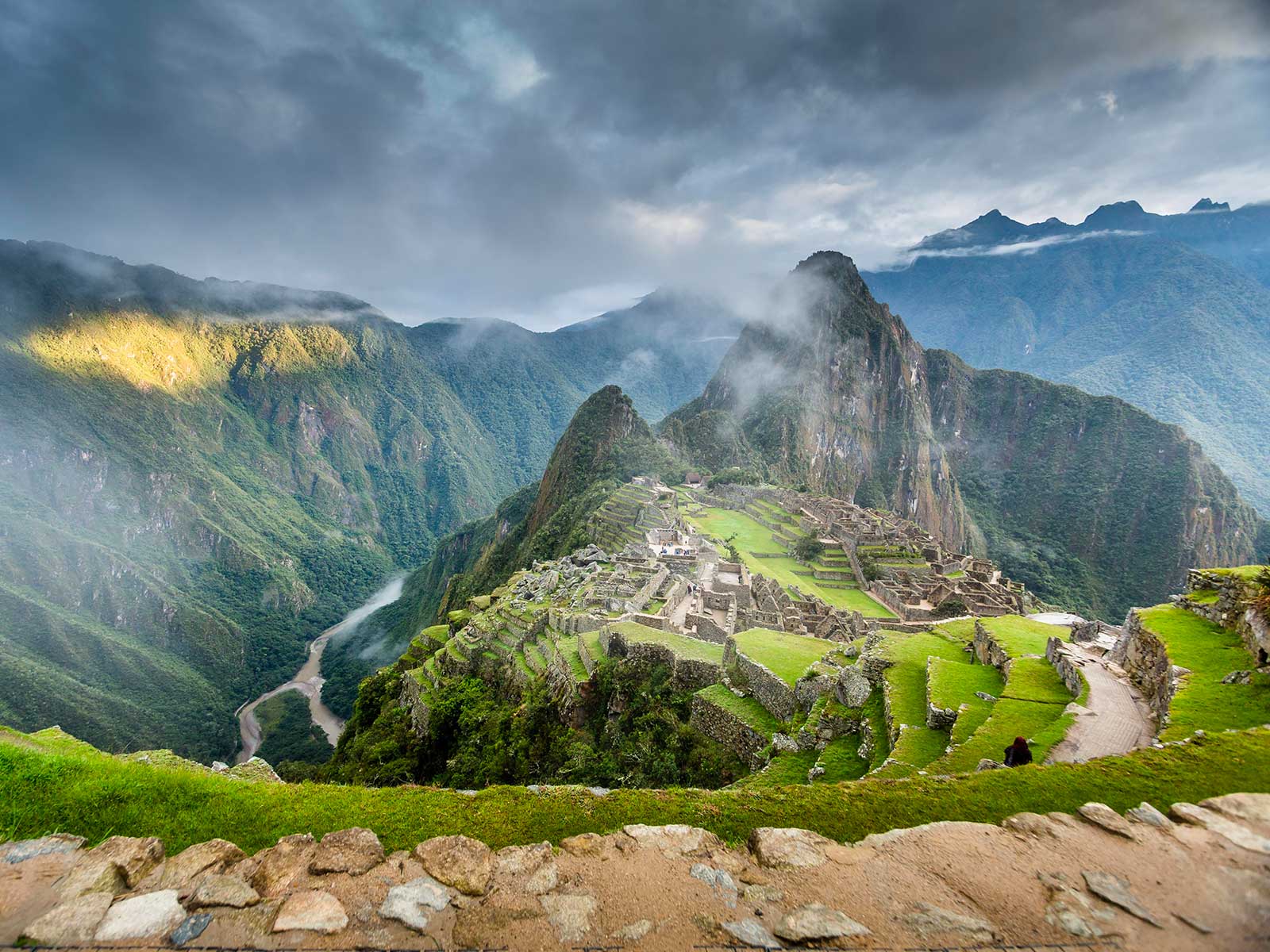
- Machu Picchu(2,430m / 7,972 ft):While the citadel itself is not as high as Cusco, the journey to get there often involves starting from Cusco or The Sacred Valley, making acclimatization important.
- Lake Titicaca(3,812m / 12,507 ft):The world's highest navigable lake, located near Puno. This is a very high-altitude destination requiring significant acclimatization.
- Rainbow Mountain(Vinicunca) (5,200m / 17,060 ft):A stunning but extremely high trek. Proper acclimatization in Cusco for several days is absolutely essential before attempting this challenging day trip.
- Colca Canyon(viewpoints often over 4,900m / 16,000 ft):One of the world's deepest canyons, offering breathtaking views and condor sightings. While the town of Chivay is lower, viewpoints are very high.
- Laguna 69(4,600m / 15,090 ft):A challenging day hike in the Huascarán National Park, known for its stunning turquoise lake. This trek requires excellent physical condition and thorough acclimatization.
Embracing Your Peruvian Adventure Safely
Peru's high-altitude wonders are truly spectacular, offering experiences found nowhere else on Earth. By understanding altitude sickness, taking proactive steps for prevention and acclimatization, and listening to your body, you can significantly enhance your chances of a comfortable and memorable journey. Prepare wisely, travel slowly, and immerse yourself in the magic of the Andes with confidence.