
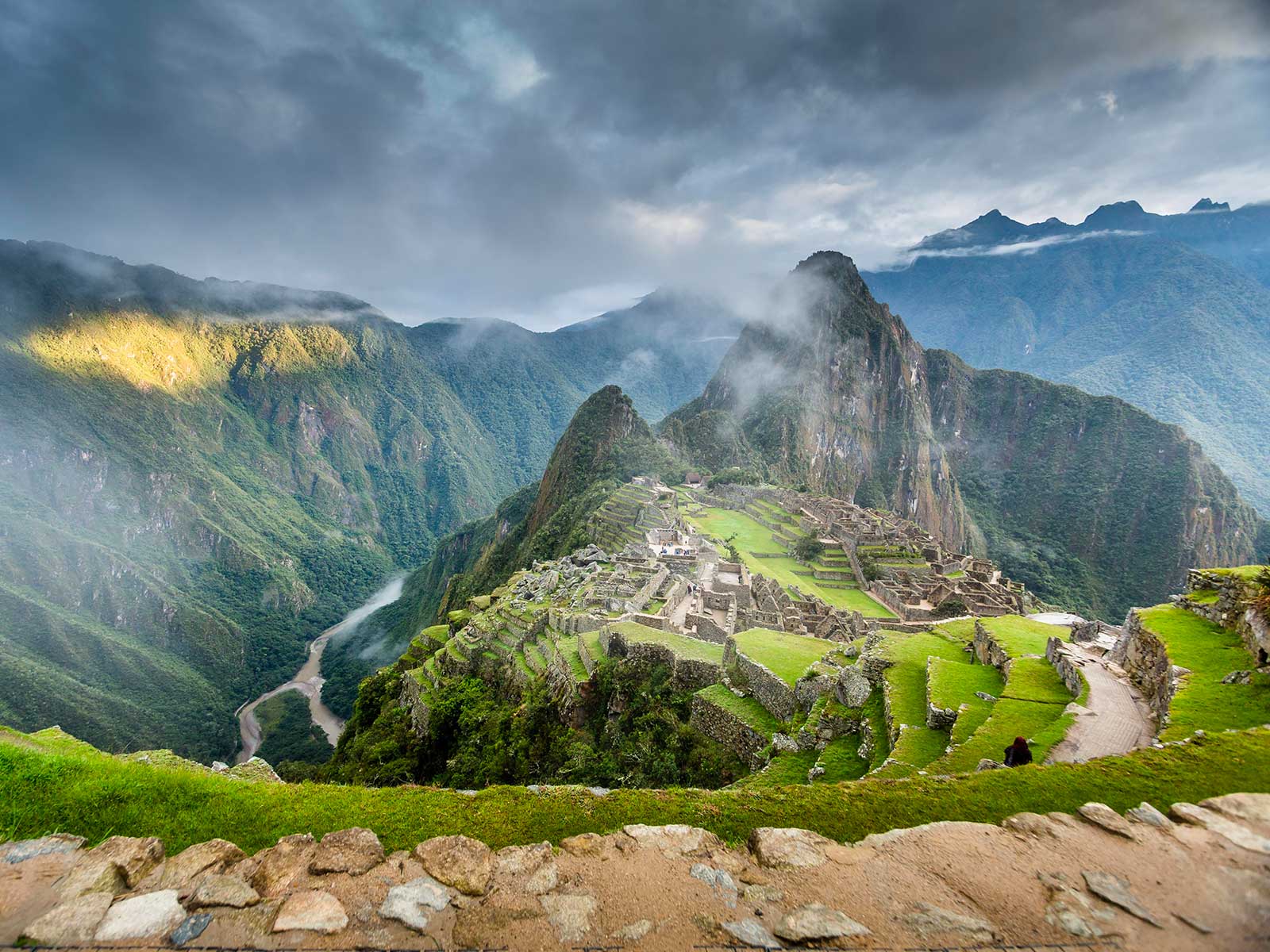
Speaking Spanish in Peru: Essential Phrases for Travelers
Embarking on a journey through Peru is an adventure filled with breathtaking landscapes, rich history, and vibrant culture. While many tourist areas offer English services, knowing even a few Spanish phrases can profoundly enhance your experience, opening doors to deeper connections and smoother travels.
Why Speaking Spanish Matters in Peru
Beyond mere convenience, speaking Spanish in Peru offers a multitude of benefits that transform a typical tourist trip into an immersive cultural exchange.
- Deeper Cultural Immersion:Engage directly with locals, understand their stories, and participate in daily life beyond the tourist bubble. From bustling markets in Cusco to the serene shores of Lake Titicaca, Spanish is your key to genuine interaction.
- Practicality and Ease:Navigate public transport, order authentic Peruvian cuisine, or simply ask for directions more confidently. Basic Spanish makes everyday transactions much smoother, especially outside major cities like Lima.
- Better Deals and Experiences:While not guaranteed, demonstrating an effort to speak the local language can sometimes lead to friendlier interactions, better service, and perhaps even a slight discount when bargaining in local markets, such as those found in The Sacred Valley.
- Safety and Emergencies:In unexpected situations, being able to communicate basic needs or describe a problem in Spanish is invaluable for your safety and well-being.
Did you know?While Spanish is the official language, Peru recognizes Quechua and Aymara as co-official languages in areas where they are predominantly spoken. Learning a few words in these indigenous languages, especially in regions like Cusco or near Lake Titicaca, can be incredibly well-received!
Pronunciation Tips for Beginners
Don't be intimidated by pronunciation; Peruvian Spanish generally has clear, distinct sounds. Here are a few quick tips:
- Vowels:Spanish vowels are consistent and pure. 'A' as in "father," 'E' as in "bed," 'I' as in "machine," 'O' as in "go," 'U' as in "flute."
- 'R' and 'RR':The single 'r' is a soft flap (like the 'tt' in "butter" in American English). The 'rr' (and 'r' at the beginning of a word) is a rolled 'r'.
- 'LL' and 'Y':In many parts of Peru, 'll' and 'y' sound like the 'j' in "jump" or 'sh' in "ship" (known asyeísmo rehilado).
- 'H':The 'h' is always silent.
- 'J' and 'G' (before e, i):These sound like the 'h' in "hello."
Listen to native speakers and try to imitate their sounds. Practice makes perfect!
Essential Greetings and Basic Etiquette
Start every interaction with a polite greeting. Politeness goes a long way in Peru.
- Hola(OH-lah) – Hello
- Buenos días(BWEH-nohs DEE-ahs) – Good morning (until noon)
- Buenas tardes(BWEH-nahs TAR-dehs) – Good afternoon/evening (noon until dark)
- Buenas noches(BWEH-nahs NOH-chehs) – Good evening/night (after dark)
- ¿Cómo estás?(KOH-moh es-TAHS?) – How are you? (informal)
- ¿Cómo está?(KOH-moh es-TAH?) – How are you? (formal)
- Estoy bien, gracias. ¿Y tú/usted?(es-TOY bee-EN, GRAH-syahs. Ee TOO/oos-TED?) – I'm fine, thank you. And you?
- Por favor(por fah-VOR) – Please
- Gracias(GRAH-syahs) – Thank you
- De nada(deh NAH-dah) – You're welcome
- Disculpa / Perdón(dis-KOOL-pah / per-DON) – Excuse me / Sorry
- Sí / No(SEE / NOH) – Yes / No
Getting Around: Directions and Transport
Navigating Peru's diverse landscapes, from the vibrant streets of Lima to the remote trails near Laguna 69, requires a good grasp of directional phrases.
- ¿Dónde está...?(DOHN-deh es-TAH...?) – Where is...? (e.g.,¿Dónde está el baño?– Where is the bathroom?)
- Voy a...(VOY ah...) – I'm going to... (e.g.,Voy a Machu Picchu.)
- ¿Cuánto cuesta un boleto a...?(KWAHN-toh KWES-tah oon boh-LEH-toh ah...?) – How much is a ticket to...? (e.g.,...a Cusco.)
- ¿Para dónde va?(PAH-rah DOHN-deh vah?) – Where are you going? (A common question from taxi drivers or bus conductors)
- Izquierda(ees-KYEHR-dah) – Left
- Derecha(deh-REH-chah) – Right
- Recto / Todo recto(REHK-toh / TOH-doh REHK-toh) – Straight / Straight ahead
- Aquí(ah-KEE) – Here
- Allí / Allá(ah-YEE / ah-YAH) – There / Over there
- Parada de autobús(pah-RAH-dah deh ow-toh-BOOS) – Bus stop
- Estación de tren(es-tah-SYOHN deh tren) – Train station (e.g., for Ollantaytambo in The Sacred Valley)
- Taxi(TAHK-see) – Taxi (always confirm the price before getting in)
Dining Out: Ordering Food and Drinks
Peruvian cuisine is world-renowned. Don't miss out on trying local delicacies because of a language barrier. These phrases will help you navigate menus and order with confidence, whether you're in a bustling market in Lima or a quiet restaurant in Chachapoyas.
- La carta / El menú(lah KAR-tah / el meh-NOO) – The menu
- Quiero... / Me gustaría...(KYEH-roh... / meh goos-tah-REE-ah...) – I want... / I would like...
- ¿Qué recomienda?(keh reh-koh-MYEN-dah?) – What do you recommend?
- ¿Tiene opciones vegetarianas?(TYEH-neh op-SYOH-nahs veh-heh-tah-RYAH-nahs?) – Do you have vegetarian options?
- Agua (sin gas / con gas)(AH-gwah seen gahs / kohn gahs) – Water (still / sparkling)
- Jugo de fruta(HOO-goh deh FROO-tah) – Fruit juice
- Café(kah-FEH) – Coffee
- Cerveza(ser-VEH-sah) – Beer
- Sin picante, por favor.(seen pee-KAHN-teh, por fah-VOR) – Without spice, please.
- ¡Delicioso!(deh-lee-SYOH-soh!) – Delicious!
- La cuenta, por favor.(lah KWEN-tah, por fah-VOR) – The bill, please.
Shopping and Bargaining (Politely)
From alpaca textiles in Pisac to artisan crafts in Cusco, shopping is a delightful part of Peruvian travel. Bargaining is common in markets, so approach it with a smile and these phrases.
- ¿Cuánto cuesta (esto)?(KWAHN-toh KWES-tah ES-toh?) – How much does (this) cost?
- Es muy caro.(es MOO-ee KAH-roh) – It's very expensive.
- ¿Puede hacerme un descuento?(PWEH-deh ah-SEHR-meh oon des-KWEN-toh?) – Can you give me a discount?
- Está bien. / Lo compro.(es-TAH bee-EN / loh KOHM-proh) – Okay. / I'll buy it.
- Gracias.(GRAH-syahs) – Thank you.
Handling Emergencies and Asking for Help
While we hope you won't need these, knowing how to ask for help is crucial, especially when exploring more adventurous spots like Colca Canyon or Rainbow Mountain.
- ¡Ayuda!(ah-YOO-dah!) – Help!
- ¡Socorro!(soh-KOH-rroh!) – Emergency!
- Necesito un médico.(neh-seh-SEE-toh oon MEH-dee-koh) – I need a doctor.
- Me siento mal.(meh SYEN-toh mahl) – I feel sick.
- Tengo dolor aquí.(TEN-goh doh-LOR ah-KEE) – I have pain here.
- ¿Dónde está el hospital / la farmacia?(DOHN-deh es-TAH el ohs-pee-TAHL / lah far-MAH-syah?) – Where is the hospital / pharmacy?
- ¿Habla inglés?(AH-blah een-GLEHS?) – Do you speak English?
- No entiendo.(noh en-TYEN-doh) – I don't understand.
Beyond the Basics: Connecting Deeper
These phrases can help you build rapport and show genuine interest in Peruvian culture and its people.
- ¿De dónde eres?(deh DOHN-deh EH-rehs?) – Where are you from?
- Soy de...(soy deh...) – I am from...
- Me encanta Perú.(meh en-KAHN-tah peh-ROO) – I love Peru.
- ¡Qué bonito!(keh boh-NEE-toh!) – How beautiful! (Use for sights like Huacachina or the landscapes of Paracas National Reserve)
- Buen provecho.(bwen proh-VEH-choh) – Enjoy your meal. (Said before eating)
- ¡Salud!(sah-LOOD!) – Cheers! / To your health!
Tips for Learning and Practicing
Learning a new language is a journey, not a destination. Here are some tips to help you on your Peruvian adventure:
- Start Early:Even a few weeks before your trip, dedicate some time daily to language apps like Duolingo or Babbel.
- Listen Actively:Pay attention to how locals speak. Listen to Peruvian music or podcasts.
- Don't Be Afraid to Make Mistakes:Peruvians generally appreciate the effort. Laughter is often a sign of understanding and encouragement, not mockery.
- Carry a Phrasebook or App:A small, portable guide can be a lifesaver for quick lookups.
- Immerse Yourself:Opt for local eateries, engage with vendors, and choose tours that offer opportunities to interact with the community. Staying in a homestay, especially in a place like Chachapoyas, can provide excellent immersion.
Conclusion
While English might get you by in major tourist hubs, embracing even a little Spanish will unlock a richer, more authentic, and ultimately more rewarding travel experience in Peru. From ordering a deliciouscevicheto having a heartfelt conversation with a local artisan, your efforts to speak the language will be met with warmth and appreciation, transforming your trip into an unforgettable journey.