
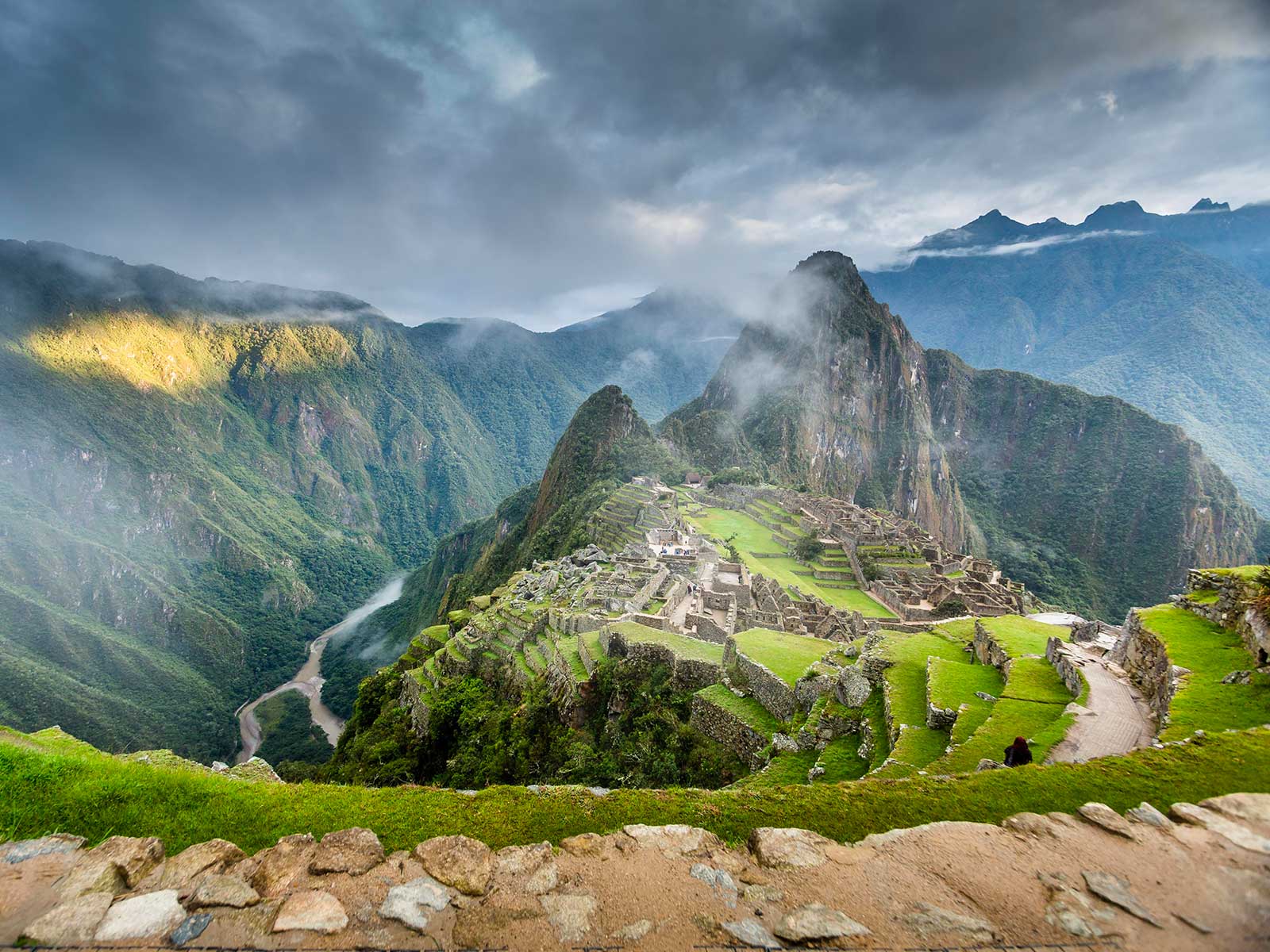
Peruvian Culture & Customs: Essential Guide for Travelers
Peru is a land steeped in ancient history and vibrant traditions, offering travelers a rich tapestry of experiences. Understanding Peruvian culture and customs is key to a rewarding journey, allowing you to connect deeper with its people and heritage. This guide provides practical insights to help you navigate Peru respectfully and enjoyably.From the bustling streets of Lima to the serene heights of the Andes, Peru's cultural landscape is incredibly diverse. It's a fascinating blend of indigenous Andean and Amazonian traditions, Spanish colonial influences, and modern global trends. This unique fusion creates a dynamic and welcoming atmosphere for visitors.
A Tapestry of Traditions: Understanding Peruvian Culture
Peruvian culture is a captivating mosaic. The legacy of ancient civilizations like the Incas, Nazca, Moche, and Chachapoyas is evident in archaeological sites, traditional crafts, and spiritual beliefs. This deep historical root intertwines with the Spanish colonial period, which introduced Catholicism, the Spanish language, and new architectural styles. Today, Peru embraces its multi-ethnic identity, celebrating both its ancestral past and its contemporary spirit.
The Role of Family and Community
Family is at the heart of Peruvian society. Extended families often live close together, and strong community ties are paramount. Respect for elders is deeply ingrained, and children are often cherished and included in social gatherings. Travelers will often observe families dining together or celebrating in public spaces, highlighting this fundamental cultural value.
Greeting & Social Etiquette
Peruvians are generally warm and polite. Adopting a few basic customs can significantly enhance your interactions.
- Greetings:A handshake is common for men when meeting for the first time or in formal settings. Women, and often men and women who know each other, will typically greet with a light kiss on the right cheek (a 'beso en la mejilla').
- Politeness:Always use "por favor" (please) and "gracias" (thank you). When passing in front of someone, especially in a crowded space, a polite "permiso" (excuse me) is appreciated.
- Introductions:When introduced to a group, it's customary to greet each person individually.
Traveler Tip:Learning a few basic Spanish phrases like "Hola" (Hello), "¿Cómo estás?" (How are you?), and "Adiós" (Goodbye) goes a long way in showing respect and fostering connection with locals.
Dining & Food Customs
Peruvian cuisine is world-renowned, and sharing a meal is a central part of social life. Understanding dining etiquette will ensure a smooth experience.
- Waiting to be Seated:In more formal restaurants, wait to be seated. In casual eateries (known asmenúrestaurants), you might seat yourself.
- Hands on the Table:Keep your hands visible, but not your elbows, on the table while eating.
- "Buen Provecho":It's common to say "¡Buen provecho!" (enjoy your meal) to others, even strangers, in a restaurant.
- Sharing:Meals are often communal, with dishes passed around. Don't be surprised if your plate is generously refilled.
- Tipping:Tipping is customary in restaurants, usually 10% for good service. Many restaurants include a service charge, so check your bill.
Lima has firmly established itself as a global culinary capital, but delicious and diverse food can be found throughout the country, from fresh seafood on the coast near Huanchaco to hearty Andean stews in Cusco.
Dress Code & Appearance
While Peru is generally casual, dressing respectfully shows consideration for local customs, particularly in religious sites or more traditional areas.
- Modesty:When visiting churches, temples, or traditional villages, dress modestly. Shoulders and knees should generally be covered.
- Practicality:Given Peru's diverse climates, pack appropriately. Light clothing for the coast and jungle, and layers for the cooler Andean highlands where places like Machu Picchu,Rainbow Mountain, and Lake Titicaca demand warmth.
- Traditional Attire:You'll see many Peruvians, especially women in the Andes, wearing traditional clothing. This is part of their cultural identity and should be respected.
Respecting Indigenous Culture & Traditions
Peru's indigenous heritage, particularly the Quechua and Aymara cultures in the Andes and various groups in the Amazon, is a living, breathing part of the nation. Showing respect for these traditions is paramount.
- Pachamama:Mother Earth (Pachamama) is revered in Andean belief systems. You might observe small offerings (pagapus) to Pachamama, especially in agricultural communities or during treks in areas like The Sacred Valley.
- Ayni (Reciprocity):The concept of *ayni*, or reciprocal exchange and cooperation, is fundamental. This spirit of mutual support is a cornerstone of many Andean communities.
- Photography:Always ask permission before taking photos of people, especially children or those in traditional dress. A simple "¿Puedo tomar una foto?" (Can I take a photo?) is polite. Be prepared for some to ask for a small tip in return, particularly if they are posing.
- Cultural Sites:Treat archaeological sites like Machu Picchu and Pisac Archaeological Park with the utmost respect. Follow guidelines, don't touch ancient structures, and leave no trace.
Navigating Public Spaces & Transportation
Public life in Peru is dynamic and sometimes chaotic, but with a friendly approach, it's easy to navigate.
- Personal Space:Personal space is often less pronounced than in some Western cultures, particularly on crowded buses or markets.
- Bargaining:Bargaining is common and expected in local markets for souvenirs, crafts, and sometimes even taxi fares. However, it's not customary in formal stores, restaurants, or for official services.
- Patience:Things might not always run exactly on schedule. Embrace the pace and practice patience, especially with public transportation.
Festivals & Celebrations
Peruvians love to celebrate, and their calendar is filled with vibrant festivals that blend Catholic traditions with indigenous rituals. If your trip coincides with a local fiesta, you're in for a treat.
- Inti Raymi:The Festival of the Sun in Cusco(June 24th) is a spectacular reenactment of an ancient Inca ceremony.
- Semana Santa:Holy Week (Easter) is observed with solemn processions and celebrations throughout the country, particularly vibrant in Cusco and Ayacucho.
- Local Fiestas:Almost every town and village has its patron saint day, celebrated with music, dance, parades, and food.
Language Basics
While Spanish is the official language and widely spoken, Peru is also home to numerous indigenous languages, with Quechua being the most prominent, especially in the Andean highlands around Cusco and Lake Titicaca.
- Spanish:Knowing basic Spanish phrases will greatly enhance your travel experience.
- Quechua:While not expected, learning a few Quechua greetings like "Rimaykullayki" (Hello) can be a delightful surprise for locals in rural areas.
Health & Safety Tips (Cultural Context)
Being prepared for cultural differences in health and safety can make your trip smoother.
- Altitude Sickness:Many popular destinations like Cusco,Rainbow Mountain, and Colca Canyon are at high altitudes. Take time to acclimatize, stay hydrated, and consider consulting your doctor. Coca tea is a traditional remedy offered widely.
- Water:Do not drink tap water. Stick to bottled or purified water.
- Street Smarts:As in any country, be aware of your surroundings, especially in crowded areas like markets or public transport. Keep valuables secure and avoid walking alone in unfamiliar areas at night.
Embracing the Peruvian Spirit
Ultimately, the most important "custom" to adopt when traveling in Peru is an open mind and a willingness to embrace new experiences. Peruvians are known for their hospitality, warmth, and resilience. Be patient, be flexible, and allow yourself to be immersed in the vibrant culture.
Whether you're exploring ancient ruins, trekking through breathtaking landscapes like those around Laguna 69, or savoring incredible cuisine, engaging respectfully with local customs will not only make your journey more meaningful but also enrich the lives of those you meet. Enjoy your adventure in Peru!