
Peru's Dry Season vs. Wet Season: Choosing Your Travel Dates Wisely
Planning a trip to Peru involves more than just picking your destinations; understanding the country's distinct dry and wet seasons is crucial for an optimal experience. Peru's diverse geography means weather patterns vary significantly across its regions, directly impacting accessibility, activities, and the overall ambiance of your journey.
Understanding Peru's Diverse Climate Zones
Peru is often divided into three main geographical zones, each with its own microclimate and seasonal nuances:
- The Coast (La Costa):A desert strip stretching along the Pacific Ocean, from Lima north to Mancora and south to the Chilean border, including areas like Paracas National Reserve and Huanchaco.
- The Andes (La Sierra):The majestic mountain range running through the country's spine, home to iconic sites like Machu Picchu,Cusco,The Sacred Valley,Lake Titicaca,Colca Canyon, and Laguna 69.
- The Amazon Rainforest (La Selva):The vast, humid jungle covering the eastern part of Peru, encompassing areas like Pacaya Samiria National Reserve and Manu National Park, extending to northern highlands like Chachapoyas.
The Coast: Seasons of Fog and Sun
The Peruvian coast generally experiences a mild climate, but with distinct seasonal differences. FromMay to November, the southern and central coast (including Lima,Paracas National Reserve, and Huacachina) is often covered by a thick fog known as "garúa," resulting in cooler, overcast conditions. While not rainy, it can be grey and damp. Further north, towards Mancora, this period is sunnier and warmer.
FromDecember to April, the coast, especially the central and southern parts, enjoys warm, sunny weather, making it ideal for beach activities and exploring coastal towns. This is peak summer for Peruvians.
Travel Tip:If you're visiting the Nazca Lines, the dry, clear conditions on the coast from May to November, despite the garúa in Lima, are generally excellent for flights, offering stable air and good visibility.
The Andes: The Heart of Seasonal Distinction
This is where the dry and wet seasons truly define the travel experience. The Andes region, including popular destinations like Cusco,Machu Picchu,The Sacred Valley(home to sites like Pisac Archaeological Park), and Colca Canyon, experiences:
- Dry Season (May to October):Characterized by clear, sunny days and cold nights. This is considered thebest time for trekking, with stable weather making paths more accessible for hikes like the Inca Trail,Rainbow Mountain, and Laguna 69. Skies are often a brilliant blue, offering spectacular views. However, this is also peak tourist season, meaning more crowds and higher demand for accommodations and permits.
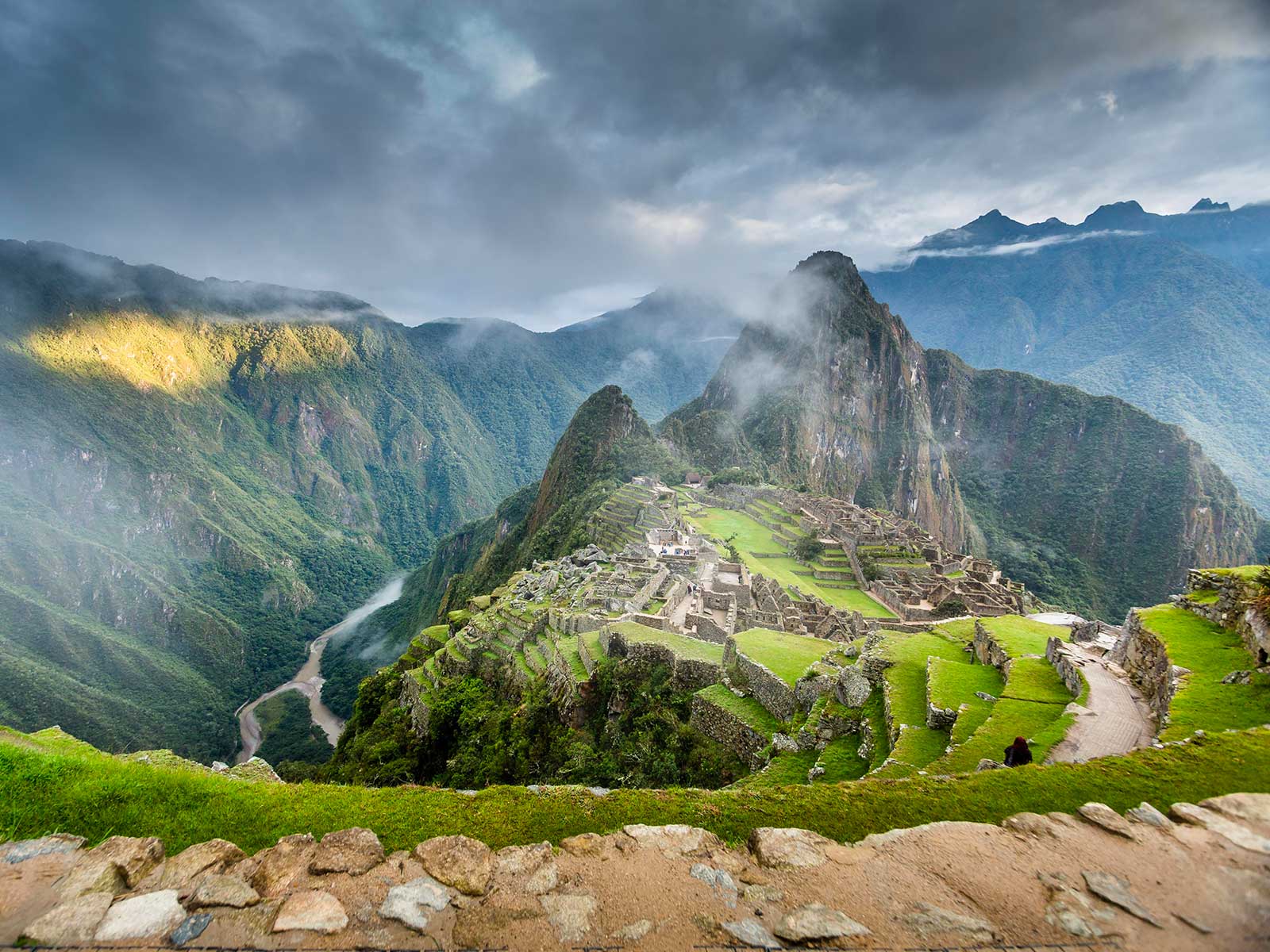
- Wet Season (November to April):Also known as the rainy season, with daily showers, especially in the afternoons. Mornings can still be clear and bright. Temperatures are generally milder than the dry season, but humidity is higher. While some trails might be muddy or occasionally closed (e.g., the Inca Trail closes in February for maintenance), the landscape transforms into a vibrant, lush green. Fewer crowds make for a more intimate experience, and waterfalls are at their most impressive.
The Amazon Rainforest: Lushness Year-Round
The Amazon basin, including Pacaya Samiria National Reserve and Manu National Park, experiences high humidity and rainfall year-round. However, there are still relative dry and wet periods:
- Dry Season (May to October):Rainfall is lower, but still significant. River levels are lower, concentrating wildlife near water sources, making them easier to spot. Trekking is generally more comfortable as paths are less muddy. However, some smaller waterways might be less navigable by canoe. Temperatures are warm.
- Wet Season (November to April):Higher rainfall leads to rising river levels, making it easier to explore smaller tributaries by boat. This period brings out more insects and amphibians, and the forest is incredibly lush and vibrant. Some trails might be flooded or very muddy, but boat excursions become the primary mode of exploration. Temperatures are also warm, with higher humidity.
Even highland jungle areas like Chachapoyas and its cloud forest attractions follow a similar pattern, with drier periods making access to sites like Kuelap easier, and wetter periods bringing lushness and mist.
Peru's Dry Season: May to October
The dry season is arguably the most popular time to visit Peru, especially for those heading to the Andes.
Advantages:
- Clear Skies & Sunshine:Expect brilliant blue skies and minimal rain, perfect for photography and outdoor activities.
- Optimal Trekking Conditions:Trails are dry and accessible, making it the ideal time for multi-day hikes to Machu Picchu and other mountain adventures like Rainbow Mountain or Laguna 69.
- Festival Season:Many important Peruvian festivals, such as Inti Raymi in Cusco(June), occur during this period, offering rich cultural experiences.
- Wildlife Viewing:In the Amazon, lower river levels can concentrate wildlife, potentially making sightings easier.
Disadvantages:
- Crowds:This is peak tourist season, so popular sites, transportation, and accommodations will be more crowded.
- Higher Demand & Prices:Expect to book well in advance, especially for Inca Trail permits and popular hotels.
- Cold Nights:Especially in the Andes, nights can drop below freezing, requiring warm layers.
Peru's Wet Season: November to April
Don't let the name "wet season" deter you; this period offers a different, often more intimate, perspective of Peru.
Advantages:
- Fewer Crowds:Enjoy a more tranquil experience at popular sites, with less competition for photos and a more relaxed pace.
- Lush Landscapes:The rain transforms the Andes into vibrant green panoramas, and waterfalls are at their most powerful. The Amazon is incredibly verdant.
- Lower Prices & More Availability:Generally, you'll find better deals on flights, hotels, and tours outside of the peak dry season.
- Unique Amazon Experience:High river levels allow for deeper exploration into the rainforest by boat, reaching areas otherwise inaccessible.
- Milder Temperatures:Nights in the Andes are generally less cold than during the dry season.
Disadvantages:
- Rain & Mud:Be prepared for daily showers, especially in the afternoons. Trails can be muddy and slippery, potentially limiting some hikes.
- Limited Accessibility:Very occasionally, heavy rains can cause landslides or temporarily close roads and trails. The Inca Trail closes in February.
- Cloud Cover:Views can sometimes be obscured by clouds or fog, particularly at higher elevations.
- Insects:The Amazon sees a greater abundance of mosquitoes and other insects due to increased moisture.
Making Your Decision: Considerations for Your Trip
Choosing your travel dates wisely depends heavily on your priorities:
- Prioritize Activities:If multi-day trekking in the Andes is your main goal, the dry season (May-October) is ideal. If you dream of lush rainforest and river exploration, both seasons in the Amazon have their unique charms. For beach relaxation, the coastal summer (December-April) is best.
- Budget & Crowds:If avoiding crowds and finding better deals is important, consider the shoulder months (April, May, September, October) or embrace the wet season.
- Flexibility:If you have some flexibility and can adapt to changing weather, the wet season can offer a truly unique and less hurried experience.
Key Takeaways by Region
- Andes (Cusco,Machu Picchu,Lake Titicaca):Dry season (May-Oct) for trekking and clear views.Wet season (Nov-Apr) for lushness, fewer crowds, but rain.
- Coast (Lima,Paracas National Reserve,Mancora):Summer (Dec-Apr) for sun and beaches.Winter (May-Nov) for cooler, often overcast conditions, especially central/south coast.
- Amazon (Pacaya Samiria National Reserve,Manu National Park,Chachapoyas):Both seasons have distinct advantages.Dry season (May-Oct) for wildlife viewing, wet season (Nov-Apr) for deeper river exploration and lush scenery.
Ultimately, Peru is a captivating destination year-round. By understanding the seasonal variations across its diverse landscapes, you can tailor your visit to match your interests and ensure an unforgettable adventure, no matter when you choose to explore this incredible country.