
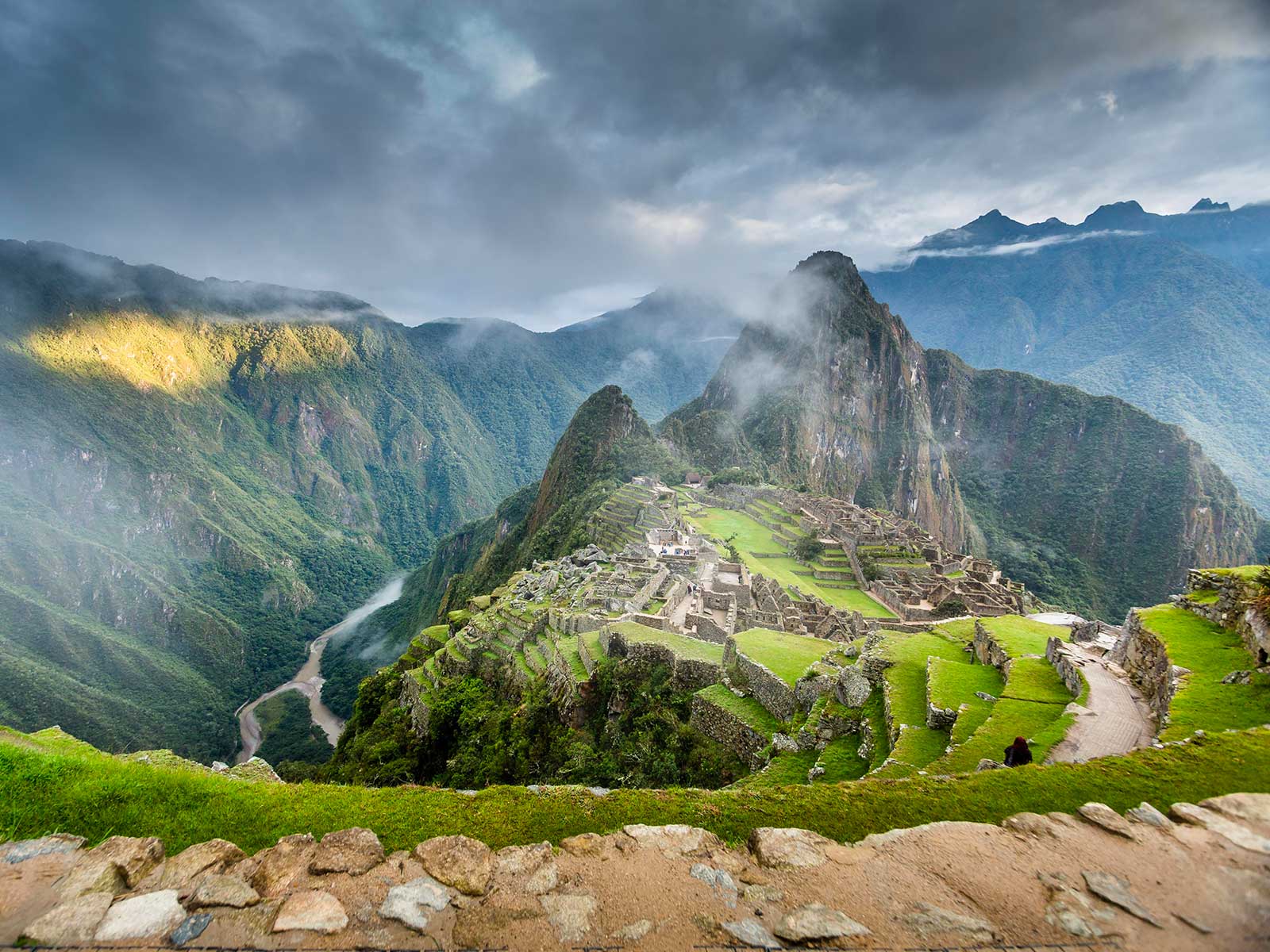
Markawasi Stone Forest: A Mystical Andean Escape
Nestled high in the Andes just a few hours from Lima, the Markawasi Stone Forest is a captivating geological marvel and a destination steeped in mystery. This enigmatic plateau, dotted with colossal granite rock formations sculpted by nature into incredible shapes, offers an unforgettable journey for adventurers and spiritual seekers alike.
Discovering Markawasi's Mystical Landscape
Markawasi, meaning "Forest of Stone" in Quechua, lies at an elevation of approximately 4,000 meters (13,000 feet) above sea level. What makes this place truly extraordinary are its monumental rock formations, which are said to resemble human faces, animals, religious figures, and even ancient artifacts, depending on the angle and the viewer's imagination. These natural sculptures shift their appearance throughout the day with the changing light, creating an ever-evolving gallery of wonders.
Visitors often report a profound sense of peace and wonder while exploring the meseta. The sheer scale and intricate details of formations like the "Monument to Humanity," "The Sphinx," "The Toad," and "The Amphitheater" invite contemplation and awe. It's a place where the line between reality and myth blurs, and the ancient spirits of the Andes seem to whisper in the wind.
Geological Origins and Ancient Echoes
The unique landscape of Markawasi is the result of millions of years of geological activity. Formed from volcanic tuff, the softer rock has been eroded by wind, rain, and ice, leaving behind the harder granite core in its spectacular present-day forms. This natural artistry has created a landscape unlike any other in Peru.
Beyond its geological significance, Markawasi holds deep cultural and spiritual importance. Evidence of pre-Inca civilizations, such as the Huarochirí culture, can be found in the form of petroglyphs and ceremonial sites scattered across the plateau. Many believe Markawasi to be a powerful energy vortex, attracting mystics, healers, and those seeking spiritual connection. Camping under the brilliant Andean stars, surrounded by these ancient guardians, is an experience often described as transformative.
Planning Your Expedition to Markawasi
A trip to Markawasi is an adventure that requires careful planning, especially due to its high altitude and remote location. It's typically a multi-day excursion, best enjoyed with an overnight stay on the meseta.
Getting There
- Lima to San Pedro de Casta:The journey begins from Lima. You can take a public bus or colectivo (shared taxi) from the eastern parts of Lima(e.g., Chosica) to the small Andean village of San Pedro de Casta. This leg usually takes 3-4 hours.
- San Pedro de Casta to the Markawasi Meseta:From San Pedro de Casta, you have a few options to reach the stone forest plateau:
- Hiking:A challenging but rewarding hike that takes approximately 3-4 hours uphill.
- Mule Rental:Local guides offer mules for carrying luggage or for riding, which can be helpful for those not accustomed to high-altitude hiking.
- 4x4 Taxi:During the dry season, some local taxis with 4x4 capabilities can take you closer to the meseta, reducing the hiking time significantly.
Best Time to Visit
Thedry season, from May to October, is generally considered the best time to visit Markawasi. During these months, skies are typically clear, offering excellent visibility for both the rock formations and stargazing. Nights, however, can be extremely cold. Thewet season(November to April) brings greener landscapes but also the possibility of fog, rain, or even hail, which can obscure views and make hiking more challenging.
What to Bring: Essential Gear
Given the high altitude and need for an overnight stay, packing wisely is crucial:
- Warm Clothing:Layers are essential. Pack thermal base layers, a fleece jacket, a warm down jacket, a hat, gloves, and thick socks. Temperatures can drop below freezing at night.
- Camping Gear:A sturdy tent, a sleeping bag rated for sub-zero temperatures, and a sleeping pad are vital for comfort.
- Food and Water:There are no facilities on the meseta. Bring all your food (easy-to-prepare meals), snacks, and plenty of water (or water purification tablets/filter).
- Hiking Essentials:Sturdy hiking boots, trekking poles, a headlamp or flashlight, a first-aid kit, and a map/GPS.
- Sun Protection:The sun at this altitude is intense. Bring sunscreen, sunglasses, and a wide-brimmed hat.
- Cash:For transportation, entrance fees, and any services in San Pedro de Casta.
Altitude Acclimatization
Markawasi's high elevation demands respect. Altitude sickness (soroche) can affect anyone, regardless of fitness level. It's strongly recommended to spend at least one night in San Pedro de Casta (around 3,500 meters / 11,500 feet) to acclimatize before ascending to the meseta. Drink plenty of water, avoid alcohol and heavy meals, and consider consulting your doctor about altitude medication if you are concerned. Symptoms include headache, nausea, dizziness, and fatigue, similar to what one might experience when visiting other high-altitude Peruvian destinations like Cusco or Rainbow Mountain.
“Acclimatizing to the altitude is paramount for an enjoyable Markawasi experience. Spend at least one night in San Pedro de Casta before ascending to the meseta to help your body adjust.”
Permits and Guides
Upon arrival in San Pedro de Casta, you will need to register and pay a small entrance fee to access the Markawasi Stone Forest. This fee contributes to the maintenance of the area and local community development. While not strictly mandatory, hiring a local guide, especially if you plan to hike up or want insights into the formations and local history, can greatly enhance your experience.
Exploring the Stone Forest: Key Sectors
Once on the meseta, you'll find various sectors, each with its own concentration of fascinating rock formations. The central area, often calledEl Anfiteatro(The Amphitheater), is a popular spot for camping, offering some shelter and proximity to many key sites. Don't miss:
- El Monumento a la Humanidad:One of the most famous formations, said to depict multiple human faces from different angles.
- El Sapo:A massive rock resembling a toad, often associated with ancient rituals.
- La Fortaleza:A fortress-like structure offering panoramic views of the surrounding valleys.
- The Sphinx:Another iconic formation that changes its appearance dramatically with the light.
Allow ample time to wander, explore, and simply sit in quiet contemplation amidst these natural wonders. The vastness of the landscape and the silence are as much a part of the experience as the formations themselves.
Beyond the Rocks: Stargazing and Sunrises
Markawasi's remote location and high altitude make it an exceptional spot for stargazing. Far from city lights, the Andean sky explodes with an unparalleled display of stars, constellations, and the Milky Way. Many visitors choose to camp precisely for this celestial spectacle. Waking up to witness the sunrise paint the rock formations in hues of gold and orange is equally breathtaking, offering a serene start to your day.
Responsible Tourism
As with any natural wonder, practicing responsible tourism is vital. Markawasi is a fragile ecosystem and a place of spiritual significance for many. Always adhere to "Leave No Trace" principles:
- Pack out all your trash, including organic waste.
- Stay on marked paths to protect vegetation.
- Respect the local culture and environment.
- Do not disturb archaeological sites or rock formations.
Markawasi is more than just a collection of rocks; it's a journey into Peru's mysterious heart, a challenge for the adventurous, and a sanctuary for the soul. For those seeking an escape from the ordinary and a deeper connection with nature and ancient energies, this mystical Andean landscape awaits.