
Machu Picchu Visitor's Guide: Tickets, Permits & Tips
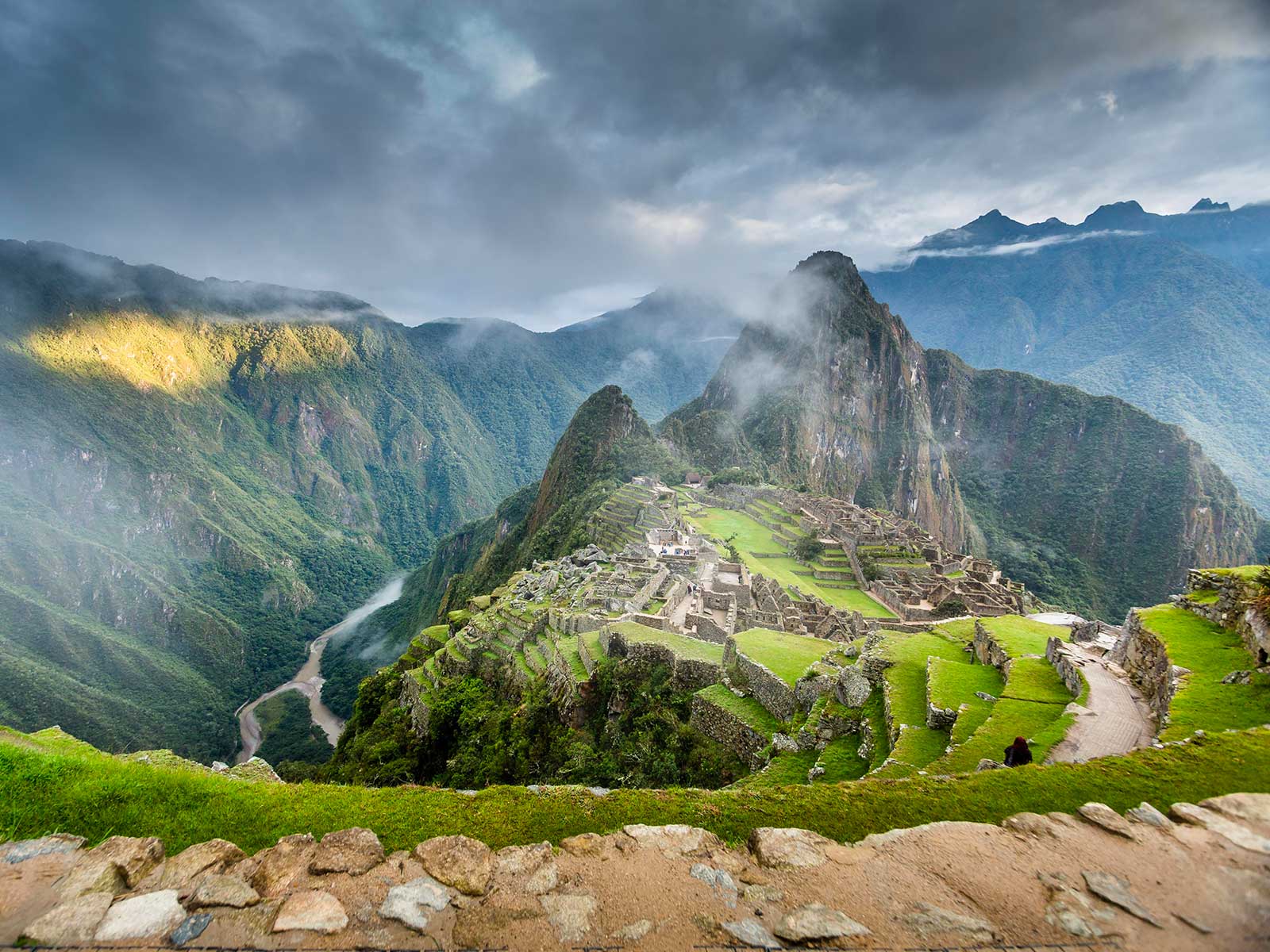
Machu Picchu, the lost city of the Incas, stands as a testament to ancient engineering and spiritual grandeur, captivating travelers from across the globe. To ensure a seamless and unforgettable journey to this UNESCO World Heritage site, thorough planning is essential. This comprehensive guide covers everything you need to know about tickets, permits, and practical tips for your visit.
Planning Your Visit: When to Go
Choosing the right time to visit Machu Picchu can significantly impact your experience. The dry season, running from May to October, offers sunny skies and less rain, making it the most popular time for travelers. However, this also means larger crowds and higher demand for tickets and accommodations.
The wet season, from November to April, sees more rainfall, particularly between January and March. While the landscape is lush and green, rain can sometimes obscure views and make trails slippery. February typically sees the Inca Trail closed for maintenance. Traveling during the shoulder months (April, May, September, October) can offer a good balance of pleasant weather and fewer crowds.
Understanding Machu Picchu Ticket Types & Circuits
Entry to Machu Picchu is strictly controlled through timed entry tickets and designated circuits to protect the delicate site. It is crucial to purchase your tickets well in advance, especially during peak season, as daily visitor limits are enforced.
Machu Picchu Circuits
The citadel is divided into several circuits, each offering a distinct route and perspective:
- Circuit 1:The High Short Route. Offers the classic panoramic views from the upper terraces, ideal for iconic photos, then descends through the main sector.
- Circuit 2:The High Long Route. The most comprehensive circuit, covering the upper terraces for classic views, then winding through the main plazas, temples, and residential areas. Most visitors prefer this route.
- Circuit 3:The Low Short Route. Focuses on the agricultural sector, the Temple of the Sun, and the House of the Inca, suitable for those with limited time or mobility.
- Circuit 4:The Low Long Route. Similar to Circuit 3 but extends further into the lower sections of the citadel, including the Sacred Rock and the Temple of the Condor.
Once you enter a circuit, you must follow the designated path and cannot re-enter the site after exiting. This means no lingering and no backtracking, so plan your route carefully.
Huayna Picchu & Machu Picchu Mountain Permits
For those seeking an additional challenge and breathtaking views, permits to climb Huayna Picchu or Machu Picchu Mountain are available. These are separate permits and must be purchased in conjunction with your general entry ticket.
- Huayna Picchu:The iconic peak often seen in the background of classic Machu Picchu photos. The climb is steep and challenging, with narrow paths and ropes in some sections. Permits are extremely limited and sell out months in advance.
- Machu Picchu Mountain:A higher and less steep climb than Huayna Picchu, offering expansive panoramic views of the entire citadel and surrounding valleys. While also challenging, it's generally considered less strenuous than Huayna Picchu and permits are slightly easier to secure, though still limited.
When booking, choose the specific entrance time slot for your desired circuit and, if applicable, your mountain climb. Punctuality is key for entry.
"The Peruvian Ministry of Culture recommends booking Machu Picchu tickets at least 2-3 months in advance, and up to 6 months for Huayna Picchu or Machu Picchu Mountain permits, especially during peak season."
How and Where to Buy Your Tickets
There are two primary ways to purchase your Machu Picchu tickets:
- Online via the Official Peruvian Ministry of Culture Website:This is the most direct and recommended method. Be prepared to navigate the Spanish-language site, though English translation options are often available. You will need your passport information for each visitor.
- Through an Authorized Travel Agency:Many reputable agencies in Cusco or online can purchase tickets on your behalf, often as part of a larger tour package. While this might incur a small service fee, it can simplify the process, especially for complex itineraries or group bookings.
Important:Always use official channels or trusted agencies. Beware of unofficial websites or individuals offering tickets at suspiciously low prices, as these may be scams.
Getting to Machu Picchu: Your Journey to the Clouds
Reaching Machu Picchu is an adventure in itself, with various routes catering to different preferences and fitness levels.
The Classic Inca Trail
For many, the multi-day Cusco to Machu Picchu Inca Trail trek is the ultimate pilgrimage. This challenging hike leads you through stunning Andean landscapes, ancient ruins, and cloud forests, culminating in an unforgettable arrival at the Sun Gate (Inti Punku) overlooking Machu Picchu. Permits for the Inca Trail are highly sought after and must be booked through an authorized tour operator, often 6-12 months in advance. The trail is closed in February for maintenance.
Alternative Treks
If Inca Trail permits are unavailable or you prefer a different experience, several alternative treks offer incredible journeys. Popular options include the Salkantay Trek, Lares Trek, and Jungle Trek, each providing unique cultural and scenic insights into the region around The Sacred Valley.
Train Travel to Aguas Calientes (Machu Picchu Pueblo)
The most common way to reach Machu Picchu is by train. Trains depart from various stations, including Poroy (near Cusco) and Ollantaytambo (in The Sacred Valley), arriving at Aguas Calientes, also known as Machu Picchu Pueblo. Several train companies operate the route, offering different service levels from budget-friendly to luxury. Booking train tickets in advance is highly recommended, especially during peak season.
Many travelers choose to spend a night in Cusco or The Sacred Valley before taking an early morning train to Aguas Calientes, allowing for a dawn visit to the citadel.
Bus from Aguas Calientes to the Citadel Entrance
From Aguas Calientes, a fleet of buses transports visitors up the winding Hiram Bingham Highway to the entrance of Machu Picchu. These bus tickets can be purchased in Aguas Calientes a day in advance or on the morning of your visit. The ride takes approximately 25-30 minutes. While it's possible to walk up the steep path, it's a strenuous climb and not recommended for most visitors who wish to conserve energy for exploring the citadel.
Essential Tips for a Seamless Machu Picchu Experience
Acclimatization
Machu Picchu sits at an elevation of 2,430 meters (7,972 feet), while Cusco is even higher at 3,400 meters (11,155 feet). It's crucial to allow at least 1-2 days to acclimatize to the altitude, especially if arriving from sea level. Staying in Cusco or lower-altitude towns in The Sacred Valley before your visit can help prevent altitude sickness.
What to Bring
- Passport:Absolutely essential for entry to Machu Picchu and to board trains.
- Printed Tickets:For Machu Picchu entry, train, and bus.
- Water:Stay hydrated, but note large water bottles may not be allowed inside the citadel.
- Snacks:Small, non-messy snacks are permitted, but no large meals.
- Rain Gear:A lightweight rain jacket or poncho is vital, even in the dry season, as weather can change quickly.
- Sun Protection:Hat, sunglasses, and high-SPF sunscreen are a must.
- Comfortable Walking Shoes:You'll be doing a lot of walking on uneven terrain.
- Small Backpack:Large backpacks (over 40x35x20 cm) are not allowed inside and must be stored at the entrance for a fee.
Rules and Regulations
To preserve Machu Picchu, strict rules are in place:
- Mandatory Guide:It is generally required to enter with an official guide for your first visit to Machu Picchu. Guides can be hired at the entrance, or you can pre-book one.
- No Food or Drinks (large quantities):Small snacks and water are generally fine, but no large meals or open containers.
- No Large Bags:As mentioned, check your large bags at the entrance.
- No Tripods or Drones:Professional photography equipment is restricted.
- No Climbing on Walls or Structures:Respect the ancient ruins.
- No Smoking or Littering:Maintain the pristine environment.
Best Time of Day to Visit
The earliest entry slots (6:00 AM - 7:00 AM) offer a magical experience as the sun rises over the mountains and the morning mist clears. This also typically means fewer crowds, though the first buses from Aguas Calientes start very early. Late afternoon slots (3:00 PM - 5:00 PM) can also be less crowded and offer beautiful golden hour lighting as the site begins to empty.
Guided Tours
Hiring a knowledgeable, official guide for your Machu Picchu visit is highly recommended. A good guide will enrich your experience with historical context, fascinating stories, and insights into Inca culture and engineering, bringing the ancient city to life.
Beyond Machu Picchu: Exploring More of Peru
While Machu Picchu is undoubtedly a highlight, Peru offers a wealth of incredible experiences. Extend your adventure by exploring:
- The vibrant city of Cusco, the former capital of the Inca Empire.
- The stunning landscapes and ancient sites of The Sacred Valley, including the Pisac Archaeological Park and Ollantaytambo.
- The breathtaking views of Rainbow Mountain.
- The unique culture and floating islands of Lake Titicaca.
- The bustling capital city of Lima with its incredible culinary scene.
- The desert oasis of Huacachina and the massive Colca Canyon.
A journey to Machu Picchu is a once-in-a-lifetime adventure that requires careful planning but rewards visitors with unparalleled wonder. By understanding the ticket system, planning your travel, and following these essential tips, you're set for an unforgettable experience at one of the world's most iconic archaeological sites.