
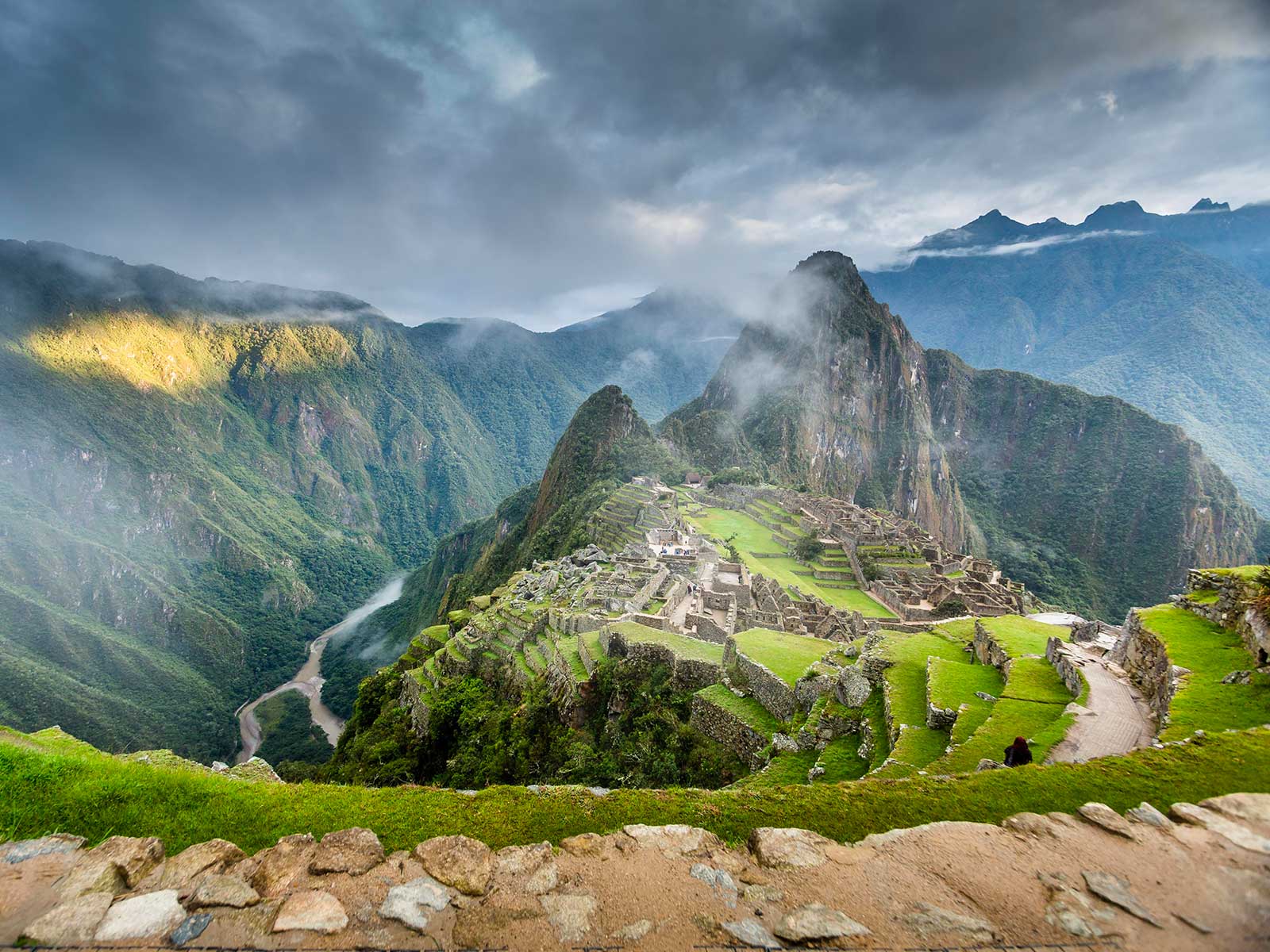
Laguna 69 Hike: Conquering the Cordillera Blanca Gem
Nestled high in Peru's stunning Cordillera Blanca, the Laguna 69 hike is an iconic, challenging trek renowned for its breathtaking reward: a vibrant turquoise lake set against a backdrop of snow-capped peaks and glaciers. This full-day adventure is a true test of endurance, offering unparalleled views that make every strenuous step worthwhile.
Why Laguna 69 is a Must-Do Hike in Peru
Laguna 69 is more than just a lake; it's a natural masterpiece. Its striking blue waters, fed by the melting Chacraraju glacier, contrast dramatically with the raw, rugged beauty of the surrounding Andean landscape. Towering peaks like Chacraraju, Pisco, and Huascarán (Peru's highest mountain) frame this glacial jewel, creating a panorama that photographers and nature lovers dream of. It's an essential experience for anyone seeking an active adventure in the Peruvian Andes.
Getting There: Your Gateway to the Cordillera Blanca
Huaraz: The Trekking Capital
Your journey to Laguna 69 typically begins in Huaraz, a bustling city nestled in the Callejón de Huaylas valley. Often referred to as Peru's trekking capital, Huaraz serves as the primary base for exploring the Cordillera Blanca, offering a wide array of tour operators, gear shops, and accommodations. Its altitude, just over 3,000 meters (around 9,842 feet), makes it an ideal place to begin acclimatization before attempting higher altitude treks.
How to Reach Laguna 69
Most hikers opt for organized tours from Huaraz. These tours typically include round-trip transportation, often with an early morning departure, a guide, and sometimes a simple breakfast stop. The drive itself is scenic, winding through small villages and offering glimpses of the majestic mountains. The journey takes about three hours to reach the trailhead at Cebollapampa within Huascarán National Park.
For independent travelers, it's possible to take acollectivo(shared taxi) from Huaraz towards Yungay, then another to Cebollapampa. However, this option requires careful planning for return transport, especially after a long day of hiking.
The Laguna 69 Trail: A Detailed Breakdown
The hike to Laguna 69 is a challenging but incredibly rewarding experience. It demands good physical fitness and, most importantly, proper acclimatization.
Altitude and Acclimatization
The trailhead at Cebollapampa sits at approximately 3,900 meters (12,795 feet), and the lake itself is at 4,600 meters (15,091 feet). This significant altitude means that acclimatization is paramount. Spending at least two to three days in Huaraz, engaging in lighter activities or shorter day hikes to places like Laguna Parón or Pastoruri Glacier, is highly recommended to help your body adjust to the thinner air. Trying to hike Laguna 69 without proper acclimatization can lead to severe altitude sickness, which can be dangerous and certainly diminish your enjoyment of the trek.
The Trek Stages
The 14-16 kilometer (8.7-10 mile) round-trip hike typically takes between 6 to 8 hours to complete.
- The Start (Cebollapampa, ~3900m):The trail begins relatively flat, winding through a beautiful valley with streams and grazing livestock. You'll pass by cascades and gain gentle elevation.
- The First Ascent:After about an hour, the path begins to climb more steeply, featuring switchbacks and offering panoramic views of the valley and waterfalls.
- Valley Walk and Views:Following the first major ascent, the trail flattens out again, leading you through another picturesque valley. Here, you'll be surrounded by towering peaks and have incredible views of Nevado Huascarán and Nevado Chopicalqui.
- The Final Push:This is the most demanding section. A series of steep, unrelenting switchbacks lead up a rocky slope. This part of the hike is where altitude often becomes most noticeable, testing hikers' resolve.
- The Reward (Laguna 69, 4600m):Suddenly, after the final climb, the breathtaking turquoise waters of Laguna 69 appear. The sight of the lake, with its glacial backdrop, is an unforgettable reward for your efforts. Spend time here soaking in the views, taking photos, and enjoying a well-deserved break before beginning the descent.
Fun Fact:The name "Laguna 69" isn't particularly poetic. It was simply the 69th lake cataloged by a French expedition mapping the region, highlighting the vast number of glacial lakes found in the Cordillera Blanca.
Key Stats
- Distance:Approximately 14-16 km (8.7-10 miles) round trip.
- Elevation Gain:Roughly 700-800 meters (2,300-2,600 feet).
- Highest Point:Laguna 69 at 4,600 meters (15,091 feet).
- Duration:6-8 hours, including time at the lake.
- Difficulty:Challenging, primarily due to altitude and steep ascents.
Essential Preparation for Your Laguna 69 Adventure
Physical Fitness
While not a technical climb, the Laguna 69 hike requires a good level of physical fitness. Regular cardiovascular exercise (running, cycling, swimming) in the weeks leading up to your trip will significantly enhance your enjoyment and reduce the risk of exhaustion.
What to Pack
The weather in the Andes can change rapidly, so layering is key:
- Layers of Clothing:Base layer, fleece or mid-layer, waterproof and windproof outer shell (jacket and pants).
- Sturdy Hiking Boots:Waterproof, with good ankle support.
- Sun Protection:High SPF sunscreen, wide-brimmed hat, sunglasses (UV radiation is intense at altitude).
- Water:At least 2-3 liters per person.
- Snacks:Energy bars, nuts, dried fruit, sandwiches to keep your energy up.
- Small Backpack:To carry your essentials.
- Camera:For those incredible views!
- First-Aid Kit:Basic supplies, blister treatment, pain relievers, altitude sickness medication (if prescribed).
- Trekking Poles:Highly recommended for stability on descents and to reduce strain on knees.
- Cash:For national park entrance fees and any unforeseen expenses.
Health and Safety
Beyond acclimatization, stay hydrated by drinking plenty of water. Avoid alcohol and heavy meals the day before. Be aware of the symptoms of acute mountain sickness (AMS): headache, nausea, dizziness, fatigue. If symptoms worsen, it's crucial to descend immediately. Always hike with a group or guide, and inform someone of your plans if venturing out independently.
Best Time to Hike Laguna 69
The dry season, fromMay to September, is generally considered the best time to hike Laguna 69. During these months, you can expect clearer skies, less rain, and more stable weather conditions, making for better views and safer trails. However, this is also peak tourist season, so expect more crowds.
Shoulder seasons (April and October) can also be good, offering fewer crowds but with a slightly higher chance of rain. The wet season (November to March) brings frequent rainfall, cloud cover, and potentially challenging trail conditions, sometimes leading to closures.
Beyond Laguna 69: Exploring the Ancash Region
While Laguna 69 is a highlight, the Cordillera Blanca and the wider Ancash region offer a wealth of other adventures. Consider extending your stay in Huaraz to explore more of Huascarán National Park, embark on multi-day treks like the Santa Cruz trek, or visit other stunning glacial lakes such as Laguna Parón. The region is a paradise for mountaineers, rock climbers, and trekkers alike, providing a stark contrast to other popular Peruvian destinations like Machu Picchu or the coastal deserts of Huacachina.
Conquering the Laguna 69 hike is an accomplishment that delivers unparalleled natural beauty and a profound sense of achievement. With proper preparation and a respectful approach to the high-altitude environment, you'll be well-equipped to experience this Cordillera Blanca gem firsthand.