
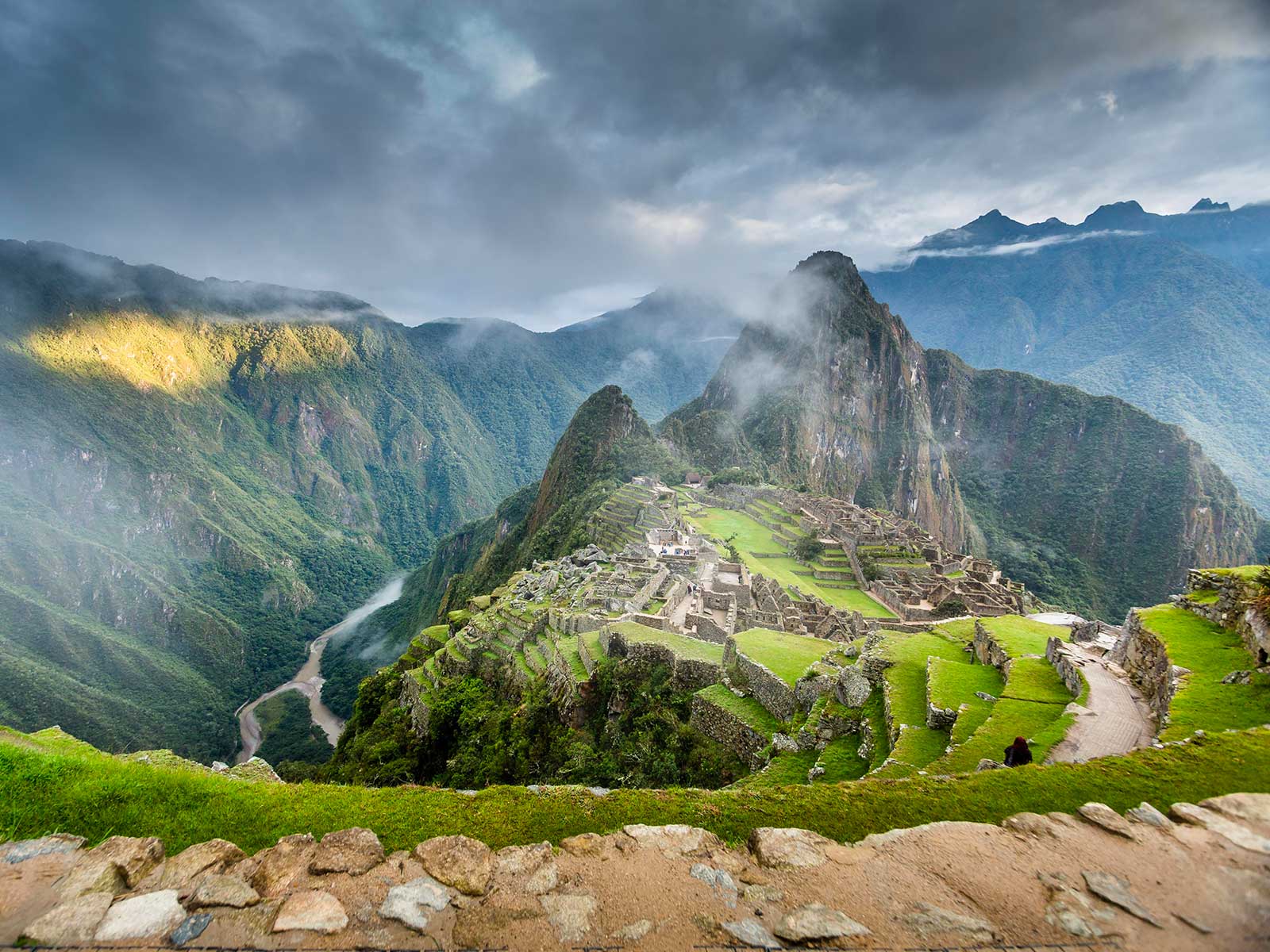
Is Peru Safe to Visit? Essential Safety Tips for Travelers
Peru, a land of ancient mysteries, breathtaking landscapes, and vibrant culture, beckons travelers from across the globe. While the allure of Machu Picchu, the Amazon rainforest, and the Andes mountains is undeniable, many prospective visitors often wonder:Is Peru safe to visit?The short answer is yes, with proper preparation and awareness, Peru is a remarkably safe and rewarding destination for tourists.
Like any popular travel destination, Peru has its share of considerations. By understanding common issues and adopting smart travel practices, you can navigate its wonders with confidence and peace of mind. This guide will equip you with essential safety tips to ensure your Peruvian adventure is unforgettable for all the right reasons.
Understanding General Safety in Peru
Peru welcomes millions of tourists annually, and the vast majority experience trouble-free trips. The Peruvian government and tourism industry are dedicated to ensuring visitor safety, especially in popular tourist zones like Cusco,Lima, and the routes to Machu Picchu. Most incidents involving tourists are minor, such as petty theft, rather than violent crime.
However, it's crucial to distinguish between tourist-heavy areas and less-frequented regions. Major cities and well-established tourist routes are generally safer due to increased police presence and infrastructure. Remote areas or those bordering certain countries might carry higher risks, but these are typically not on standard tourist itineraries.
Common Safety Concerns and How to Mitigate Them
1. Petty Crime: Pickpocketing and Bag Snatching
This is the most common concern for travelers in Peru, particularly in crowded areas, bus terminals, markets, and tourist hotspots in Lima and Cusco. Thieves often work in teams and target distracted individuals.
- Be Vigilant:Always be aware of your surroundings, especially in crowded places.
- Secure Valuables:Keep passports, large sums of cash, and expensive electronics out of sight. Use a money belt or a secure travel pouch worn under your clothes.
- Bag Placement:Wear backpacks on your front in crowded areas. Keep purses close to your body with the strap across your chest. Avoid leaving bags unattended, even for a moment.
- Minimize Displays:Don't flash expensive jewelry, cameras, or phones unnecessarily.
- ATM Safety:Use ATMs inside banks or well-lit, secure locations. Be wary of anyone offering unsolicited help.
2. Scams and Deception
While not rampant, some scams target tourists, often involving deceptive taxi drivers or fake tour operators.
- Taxi Safety:In cities like Lima, always use licensed taxis (look for official markings, company names, or apps like Uber/Cabify). Avoid unmarked cars or those that seem too eager. Agree on a fare before starting the journey or ensure the meter is used.
- Tour Operators:Book tours and excursions through reputable agencies or your hotel. Be skeptical of deals that seem too good to be true, especially for popular destinations like Machu Picchu or the Sacred Valley.
- Fake Police:Be wary of individuals claiming to be plainclothes police officers asking to see your passport or money. Ask for official identification and offer to go to the nearest police station.
3. Transportation Safety
Long-distance buses are a popular and generally safe way to travel between Peruvian cities. However, some precautions are wise.
- Reputable Bus Companies:Choose well-known companies like Cruz del Sur, Oltursa, or Civa. They offer better safety records, more comfortable buses, and often have onboard security.
- Night Travel:While common, long overnight bus journeys can sometimes be targets for theft. Store valuables in your carry-on bag, not in overhead compartments or checked luggage.
- Seatbelts:If available, use them.
Travel Tip:When traveling by bus, keep your daypack with essentials (passport, money, phone) on your lap or under your seat, not in the overhead rack.
4. Altitude Sickness (Soroche)
Many of Peru's most stunning attractions, including Cusco,Machu Picchu,Lake Titicaca,Rainbow Mountain, and Laguna 69, are located at high altitudes. Altitude sickness can affect anyone, regardless of fitness level.
- Acclimatize:Spend a day or two relaxing in a lower-altitude city like Cusco(which is still high at 3,400m / 11,150 ft) before attempting strenuous activities or ascending higher.
- Hydrate:Drink plenty of water (avoid alcohol and excessive caffeine).
- Eat Lightly:Opt for smaller, carbohydrate-rich meals.
- Coca Leaves/Tea:Chewing coca leaves or drinking mate de coca (coca tea) is a traditional remedy often found in the Andes.
- Medication:Consult your doctor about prescription medication like Diamox before your trip.
- Listen to Your Body:If you feel severe symptoms (headache, nausea, dizziness, shortness of breath), descend to a lower altitude immediately and seek medical attention.
5. Food and Water Safety
Traveler's diarrhea is a common ailment worldwide, and Peru is no exception.
- Drink Bottled Water:Always opt for sealed bottled water or use a water filter/purifier. Avoid tap water, even for brushing teeth.
- Cooked Food:Stick to hot, thoroughly cooked foods. Avoid raw or undercooked meats and seafood unless in a reputable restaurant.
- Peel Fruits and Vegetables:If you can't peel it, cook it or avoid it.
- Street Food:While delicious, exercise caution. Choose vendors with high turnover, hot food, and good hygiene.
6. Natural Hazards and Environmental Risks
- Sun Exposure:At high altitudes, the sun's UV rays are intense. Use high-SPF sunscreen, wear a wide-brimmed hat, and sunglasses.
- Weather Changes:Weather in the Andes can change rapidly. Pack layers, waterproof clothing, and sturdy hiking shoes.
- Earthquakes:Peru is in an active seismic zone. Familiarize yourself with basic earthquake safety procedures (Drop, Cover, Hold On).
- Jungle Expeditions:For trips to the Amazon (e.g.,Pacaya Samiria National Reserve or Manu National Park), ensure you have necessary vaccinations and use insect repellent to prevent mosquito-borne illnesses.
Regional Safety Considerations
Andean Highlands (Cusco, Sacred Valley, Machu Picchu, Lake Titicaca, Colca Canyon, Rainbow Mountain, Laguna 69)
These are Peru's most popular tourist destinations and are generally very safe. The main concerns are altitude sickness and petty theft in crowded areas. Always hire guides and tour operators for treks to Rainbow Mountain,Laguna 69, or Colca Canyon, and ensure they are licensed and reputable.
Coastal Regions (Lima, Paracas, Huacachina, Huanchaco, Mancora)
Lima, as a large capital city, requires extra vigilance against petty crime. The coastal areas like Paracas National Reserve,Huacachina,Huanchaco, and Mancora are generally safe for tourists enjoying beaches and adventure sports, but standard precautions against theft apply. Be mindful of strong currents if swimming in the ocean.
Amazon Rainforest (Pacaya Samiria, Manu)
When venturing into the Amazon, it's paramount to book with an experienced and reputable tour company. They will provide necessary safety briefings, experienced guides, and ensure proper equipment. Follow all instructions regarding wildlife, swimming, and health precautions (e.g., anti-malaria medication, yellow fever vaccine).
General Best Practices for Safe Travel
- Travel Insurance:This is non-negotiable. Ensure your policy covers medical emergencies, trip cancellations, and theft.
- Keep Copies of Documents:Store digital and physical copies of your passport, visa, and insurance information separately from the originals.
- Learn Basic Spanish:Even a few phrases can greatly assist in emergencies or interactions with locals.
- Stay Connected:Inform family or friends of your itinerary. Consider getting a local SIM card.
- Respect Local Customs:Dress modestly when visiting religious sites. Be polite and respectful.
- Limit Nighttime Wandering:Avoid walking alone at night, especially in unfamiliar or poorly lit areas. Use trusted transportation.
- Emergency Contacts:Know the local emergency numbers (Police: 105, Tourist Police: (01) 460 1060).
- Solo Travel:Peru is a popular destination for solo travelers. Use extra caution, inform others of your plans, and trust your instincts.
Conclusion
Peru offers an incredible array of experiences, from exploring the ancient ruins of Pisac Archaeological Park to marveling at the mysterious Nazca Lines or the Markawasi Stone Forest. While concerns about safety are natural for any international trip, Peru is generally a safe country for tourists who practice common sense and awareness.
By being prepared for altitude, mindful of your belongings, and choosing reputable services, you can minimize risks and immerse yourself fully in the magic of Peru. Go forth, explore, and create unforgettable memories!