
How to Get from Cusco to Machu Picchu: Your Ultimate Transport Guide
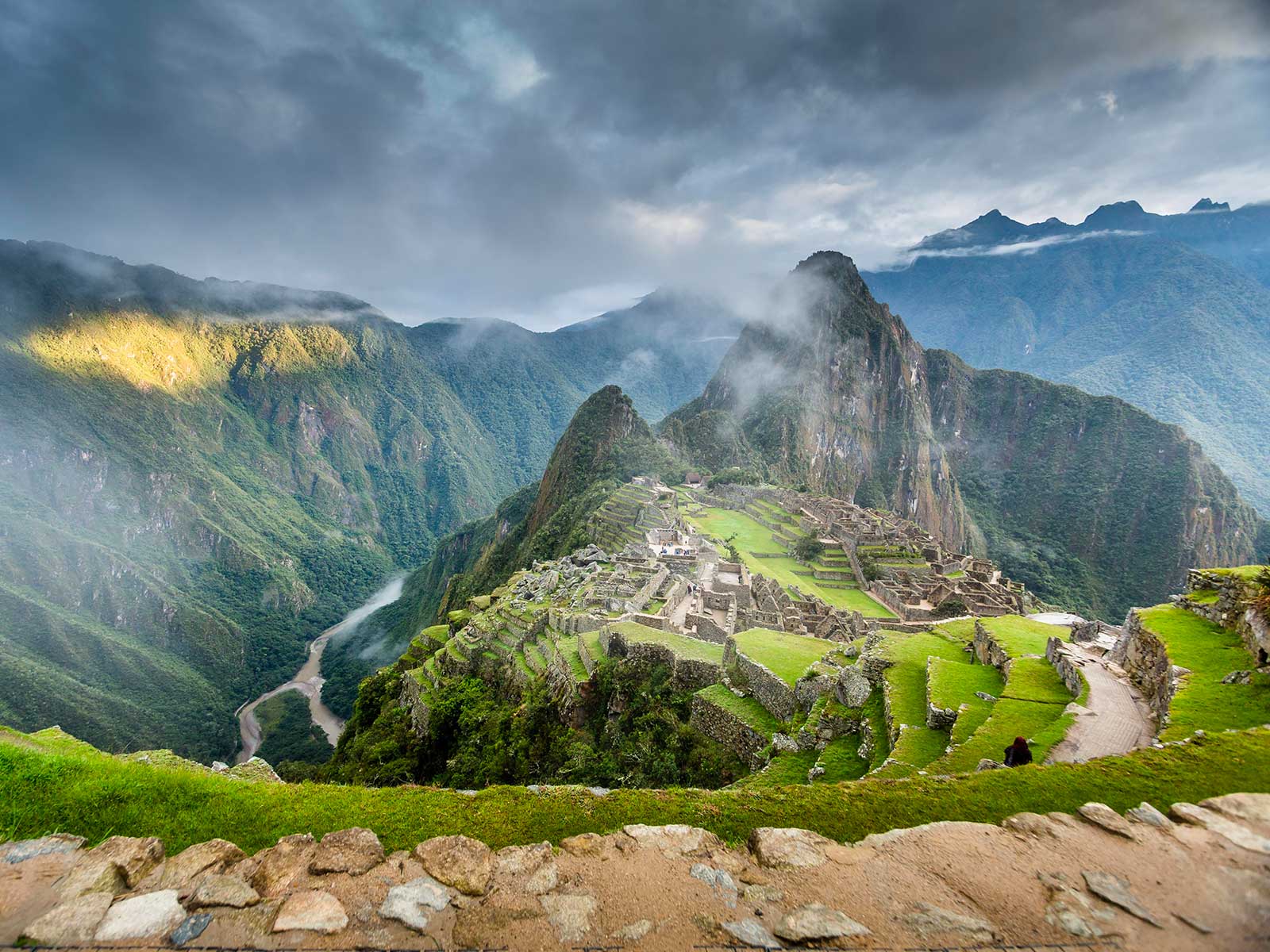
The journey to the ancient Inca citadel of Machu Picchu is an adventure in itself, an integral part of the unforgettable experience. While there are no roads leading directly to the site, several distinct and equally rewarding routes connect the vibrant city of Cusco to this wonder of the world. This guide will help you navigate your options, ensuring a seamless and memorable trip.The Gateway to the Inca Citadel: Understanding the Route
Your adventure will invariably begin in Cusco, the historic heart of the Inca Empire. From here, all paths lead to Aguas Calientes, also known as Machu Picchu Pueblo, the small town nestled at the base of Machu Picchu mountain. This bustling hub is the final stop before ascending to the ruins. The general route involves traveling from Cusco through sections of the Sacred Valley to a train station or a trekking starting point, and then completing the journey to Aguas Calientes.Option 1: The Classic Train Journey
For many, the most popular and comfortable way to reach Machu Picchu is by train. This scenic route offers breathtaking views and a relaxed travel experience.Departing from Poroy or Ollantaytambo
Your train journey will begin at one of two main stations:- Poroy Station:Located just a short drive (about 20-30 minutes) from Cusco, this station is the closest to the city. Trains from Poroy typically run during the dry season (roughly April to December) and offer a direct, albeit slightly longer, train ride to Aguas Calientes. You can reach Poroy by taxi or private transfer from Cusco.
- Ollantaytambo Station:Situated deeper within the Sacred Valley, Ollantaytambo is the primary year-round train departure point. Many travelers choose to spend a day or two exploring the Sacred Valley, visiting sites like Pisac Archaeological Park and the Ollantaytambo ruins, before catching their train. To get to Ollantaytambo from Cusco, you can take a colectivo (shared van), a private taxi, or a tour bus, a journey that takes approximately 1.5 to 2 hours.
Choosing Your Train Service
Two main companies operate the train services to Aguas Calientes:- PeruRail:Offering a range of services from the budget-friendly Expedition to the luxurious Hiram Bingham, PeruRail caters to diverse preferences. Each service provides different levels of comfort, amenities, and often, panoramic windows to soak in the views.
- Inca Rail:Inca Rail also provides various services, from the Voyager (standard) to the First Class, known for its comfortable seating and on-board experience.
The Scenic Ride to Aguas Calientes
Once aboard, prepare for an unforgettable journey. The train tracks follow the Urubamba River, winding through lush valleys, past towering mountains, and through small Andean villages. Keep an eye out for the changing landscapes, from agricultural terraces to cloud forests. The train ride typically takes around 3.5 hours from Poroy or 1.5 hours from Ollantaytambo, depositing you directly in the heart of Aguas Calientes.Option 2: The Adventure Trail (Hiking)
For those seeking a more immersive and physically challenging experience, trekking to Machu Picchu offers unparalleled rewards. These multi-day treks combine stunning scenery with a deep dive into ancient Inca history.The Inca Trail
The legendary Inca Trail is arguably the most famous trek in South America. This four-day, three-night journey covers approximately 43 kilometers (27 miles) of ancient Inca pathways, leading you directly to the Sun Gate (Inti Punku) for a spectacular sunrise view over Machu Picchu.- Permits:Due to its popularity and conservation efforts, permits for the Inca Trail are strictly limited and sell out months in advance. You must book through an authorized tour operator.
- Guided Experience:All Inca Trail trekkers must be accompanied by a licensed guide and porters.
- Physical Demands:The trek involves significant uphill and downhill sections, including the infamous "Dead Woman's Pass" at 4,215 meters (13,828 feet), requiring a good level of physical fitness and proper acclimatization in Cusco.
Alternative Treks
If Inca Trail permits are unavailable or you prefer a different type of adventure, several alternative treks offer incredible experiences:- Salkantay Trek:A challenging five-day trek known for its diverse landscapes, from snow-capped peaks to subtropical jungles. It often involves camping near stunning natural features and offers a different perspective on the Andean wilderness.
- Lares Trek:A more culturally focused trek, typically three or four days, that takes you through traditional Andean villages, offering insights into local life and customs. It’s generally considered less physically demanding than the Salkantay.
- Jungle Trek:A multi-sport adventure (usually four days) that combines mountain biking, rafting, zip-lining, and hiking through the cloud forest, providing an adrenaline-filled approach to Machu Picchu.
Option 3: The "Hydroelectric" Route (Budget-Friendly)
For backpackers and budget-conscious travelers, the "Hydroelectric" route offers a more economical, albeit longer and more rugged, way to reach Aguas Calientes.Bus to Santa Teresa/Hydroelectrica
This route involves taking a shared van or bus from Cusco(usually from the Almudena or Santiago terminal) to the town of Santa Teresa, and then on to the Hydroelectrica station. The journey is long, typically 6-7 hours, traversing winding mountain roads. While scenic, it can be bumpy and less comfortable than the train.Walk to Aguas Calientes
From Hydroelectrica, you embark on a relatively flat 2-3 hour walk along the train tracks to Aguas Calientes. This path is popular and generally safe during daylight hours, offering views of the river and surrounding lush vegetation. It's essential to wear comfortable shoes and carry enough water.Considerations for this Route
- Time Commitment:This is an all-day travel option, with the journey from Cusco to Aguas Calientes taking up most of a full day.
- Physical Demands:While the walk from Hydroelectrica is mostly flat, it still requires a reasonable level of fitness, especially after a long bus ride.
- Amenities:The bus trip can be basic, with fewer comfort stops.
From Aguas Calientes to the Citadel Entrance
Once you've arrived in Aguas Calientes, you're just a short distance from the entrance to Machu Picchu.Bus Service
The most common way to reach the citadel from Aguas Calientes is by taking one of the frequent shuttle buses. These buses depart regularly from early morning until late afternoon, making the steep ascent up the winding road to the Machu Picchu entrance in about 25-30 minutes. Bus tickets are purchased in Aguas Calientes (near the bus station) and are separate from your Machu Picchu entrance ticket.The Hiking Option
For the adventurous and physically fit, it's possible to hike from Aguas Calientes up to the Machu Picchu entrance. This challenging uphill climb involves a series of steep stone steps and switchbacks, taking approximately 1-1.5 hours. If you choose this option, be sure to start very early, especially if you have a morning entry slot, and carry plenty of water.Tip:If you plan to hike from Aguas Calientes to the Machu Picchu entrance, remember that the gates typically open at 5:00 AM. Starting your ascent around this time will allow you to reach the citadel for early morning entry, often before the first buses arrive, and possibly catch the sunrise.
Essential Tips for Your Journey
No matter which transport option you choose, keep these vital tips in mind for a smooth journey to Machu Picchu:
- Book in Advance:Machu Picchu entrance tickets, train tickets, and Inca Trail permits sell out months ahead, especially during peak season (May-September). Secure yours as early as possible.
- Acclimatize in Cusco:Cusco sits at an altitude of 3,400 meters (11,155 feet). Spend at least 2-3 days there before embarking on strenuous activities to minimize the risk of altitude sickness.
- Pack Smart:Dress in layers, as weather conditions can change rapidly. Bring rain gear, sun protection, insect repellent, a reusable water bottle, and comfortable walking shoes.
- Carry Your Passport:You will need your physical passport (the one you used to book your tickets) to board the train and enter Machu Picchu.
- Respect the Site:Machu Picchu is a sacred historical site. Follow all rules, stay on marked paths, and do not touch the ruins.
- Consider a Tour Operator:Especially for treks, a reputable tour operator can handle all logistics, permits, and guides, making your trip stress-free.
Reaching Machu Picchu is an adventure that blends stunning natural beauty with ancient history. Whether you choose the comfortable scenic train, an challenging multi-day trek, or the budget-friendly Hydroelectric route, each path offers a unique and unforgettable prelude to one of the world's most magnificent archaeological sites. Plan well, embrace the journey, and prepare to be awestruck.