
Exploring the Sacred Valley: Pisac, Ollantaytambo & Beyond
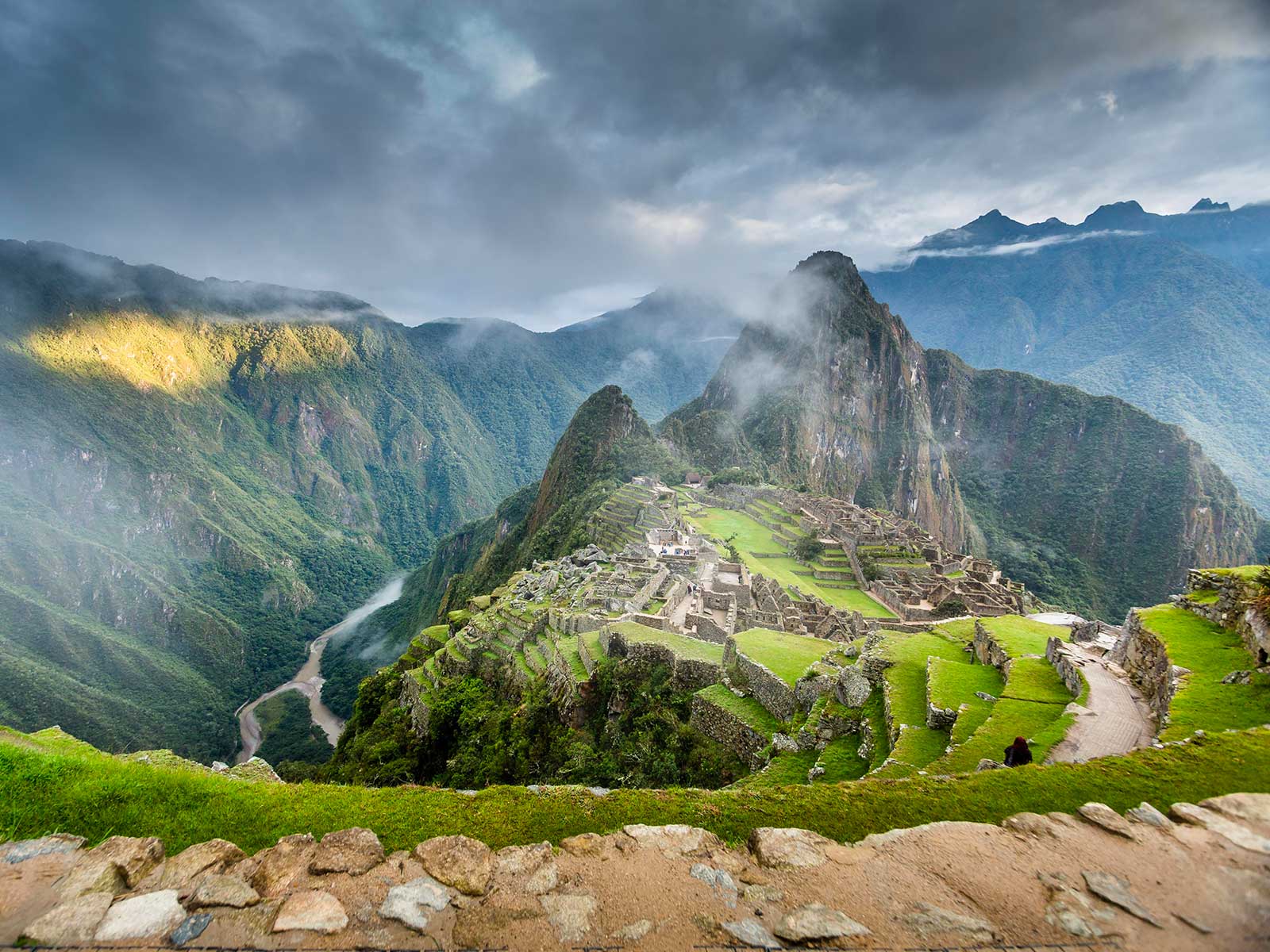
Nestled between the historic city of Cusco and the awe-inspiring Machu Picchu, Peru's Sacred Valley of the Incas is a verdant tapestry of ancient ruins, vibrant markets, and breathtaking Andean landscapes. This fertile valley, watered by the Urubamba River, served as the spiritual and agricultural heartland of the Inca Empire, and today offers an unparalleled journey into Peru's rich cultural heritage.
Unveiling the Sacred Valley's Charms
The Sacred Valley (Valle Sagrado) stretches approximately 100 kilometers (62 miles) between the towns of Pisac and Machu Picchu. Its strategic location, mild climate, and fertile lands made it crucial for the Incas, who built impressive agricultural terraces, temples, and fortresses throughout. Visiting the valley is not just about seeing ruins; it's about experiencing living history, interacting with local communities, and immersing yourself in the Andean way of life.
Getting to and Around the Sacred Valley
Most explorations of the Sacred Valley begin from Cusco, which serves as the primary gateway. You can visit the valley as a day trip, but for a more in-depth experience, consider staying overnight in one of its charming towns like Urubamba or Ollantaytambo. Transportation options include:
- Organized Tours:The most common and convenient way, offering guided visits to key sites.
- Private Taxis:Flexible and ideal for customizing your itinerary, though generally more expensive.
- Colectivos (Shared Vans):A budget-friendly option for traveling between towns, popular with locals.
Remember to allow time to acclimatize to the altitude, especially if arriving directly from sea level.Cusco is higher than most of the valley, making it a good starting point for gradual acclimatization.
Pisac: Terraces, Temples, and Textiles
The town of Pisac, located at the eastern end of the valley, is famous for two main attractions: its spectacular Inca ruins and its bustling traditional market.
Pisac Archaeological Park
Perched high above the modern town, the Pisac Archaeological Park is one of the largest and most impressive Inca sites in the valley. The ruins include extensive agricultural terraces carved into the steep mountainside, believed to have been used for growing various crops, including maize.
Highlights of the site:
- Intihuatana (Sun Temple):A precise sun calendar and ceremonial platform, showcasing masterful Inca stonework.
- Terraces:Intricate irrigation systems and vast staircases demonstrate advanced agricultural engineering.
- Farms and Residential Areas:Explore the remnants of what was once a thriving Inca settlement.
Fun Fact:The Inca terraces at Pisac are not just functional; their curved shapes follow the contours of the mountain, creating an aesthetically pleasing and highly efficient agricultural landscape.
Pisac Market
Pisac's traditional market is a vibrant explosion of color and activity. While it operates daily, Sundays are historically the main market days, attracting vendors from surrounding communities who come to sell their produce, textiles, and crafts. You'll find a wide array of handmade items, including alpaca wool products, pottery, jewelry, and traditional Andean musical instruments. It's an excellent place to find unique souvenirs and witness local trade.
Ollantaytambo: The Living Inca Town
Further down the valley lies Ollantaytambo, a unique Inca town that has been continuously inhabited since the 13th century. It serves as a crucial transit point for travelers heading to Machu Picchu, as it hosts one of the main train stations.
The Ollantaytambo Fortress and Temple
Dominating the town is the formidable Ollantaytambo Fortress, a massive Inca archaeological site built into the mountainside. This complex served both as a temple and a military stronghold, famously resisting the Spanish conquistadors during Manco Inca's rebellion.
Key features to explore:
- Terraces:Similar to Pisac, but even grander in scale, these terraces lead up to the ceremonial center.
- Temple of the Sun:An unfinished masterpiece featuring six massive monolithic stones, perfectly fitted together, believed to have been moved from a quarry several kilometers away using incredible feats of engineering.
- Storehouses (Qolqas):Perched on the opposite hillside, these ancient granaries were strategically placed to take advantage of cool winds for preservation.
Exploring the Town of Ollantaytambo
Beyond the ruins, the town itself is a captivating place to wander. Its narrow, cobblestone streets, original Inca walls, and ancient water channels (many still in use today) offer a glimpse into Inca urban planning. You can explore local shops, enjoy a meal, or simply soak in the historic atmosphere before continuing your journey.
Beyond the Main Hubs: Other Sacred Valley Gems
While Pisac and Ollantaytambo are central to any Sacred Valley itinerary, several other sites offer unique insights into Inca culture and the Andean way of life.
Chinchero: Andean Textiles and Traditions
Often included in Sacred Valley tours, Chinchero is a picturesque Andean village known for its vibrant textile traditions. Here, you can visit local weaving cooperatives to learn about traditional dyeing and weaving techniques, passed down through generations. The town also features impressive Inca ruins and a colonial church built on Inca foundations.
Maras Salt Mines: A Unique Landscape
The Maras Salt Mines (Salineras de Maras) are a fascinating sight, consisting of thousands of small, terraced salt evaporation ponds that have been in use since pre-Inca times. Fed by a natural spring, the ponds create a stunning mosaic of white and earthy tones against the green mountainside. Local families continue to harvest salt using traditional methods.
Moray: Agricultural Experimentation
Near Maras, Moray is an archaeological site featuring a series of colossal circular terraces that descend into the earth like an amphitheater. It's believed that Moray served as an Inca agricultural laboratory, where different microclimates were created at varying depths to test the optimal growing conditions for various crops.
Urubamba: The Valley's Heart
Urubamba is the largest town in the Sacred Valley and serves as a central hub for transportation and services. It's a popular spot for lunch stops on tours and offers a range of accommodations for those wishing to spend more time exploring the valley.
Practical Tips for Your Sacred Valley Adventure
- Boleto Turístico (Tourist Ticket):Many of the key archaeological sites in the Sacred Valley (including Pisac, Ollantaytambo, Chinchero, and Moray) require the Cusco Tourist Ticket for entry. This ticket can be purchased at the first site you visit or in Cusco.
- Altitude:While lower than Cusco, some parts of the valley are still at considerable elevation. Drink plenty of water, avoid strenuous activity on your first day, and consider coca tea to help with acclimatization.
- What to Bring:Layers of clothing (weather can change quickly), comfortable walking shoes, a hat, sunscreen, sunglasses, and plenty of water.
- Best Time to Visit:The dry season (May to October) offers sunny days and clear skies, ideal for hiking and exploring.
Making the Most of Your Visit
The Sacred Valley is more than just a stepping stone to Machu Picchu; it's a destination in its own right. Consider dedicating at least two days to explore its wonders, perhaps combining it with other incredible Peruvian experiences like trekking to Rainbow Mountain or exploring the depths of the Colca Canyon.
Whether marveling at Inca engineering, haggling for textiles at a local market, or simply enjoying the serene Andean scenery, the Sacred Valley promises an unforgettable journey into the heart of Peru's ancient past and vibrant present.