
Cusco Travel Guide: Gateway to the Inca Empire
Nestled high in the Andes Mountains,Cusco stands as a vibrant testament to Peru's rich history, once serving as the majestic capital of the Inca Empire. Today, this UNESCO World Heritage city is not only an essential cultural destination but also the primary launchpad for exploring the wonders of the Sacred Valley and the iconic Machu Picchu.
Why Visit Cusco?
Cusco is more than just a stopover; it's an experience in itself. Its cobblestone streets, colonial architecture built upon Inca foundations, and bustling markets tell a story of ancient civilizations blending with Spanish conquest. The city pulsates with a unique energy, offering travelers a captivating mix of history, culture, adventure, and gastronomy.
Getting There and Around
Most international travelers arrive in Lima, Peru's capital, before taking a domestic flight to Alejandro Velasco Astete International Airport (CUZ) in Cusco. The flight from Lima is approximately 1.5 hours. It’s advisable to book flights in advance, especially during peak season.
Upon arrival, taxis are readily available outside the airport to take you to your accommodation. Always agree on a fare before starting your journey. Within the historic center, Cusco is best explored on foot, allowing you to discover hidden alleys, charming squares, and artisan shops. For longer distances or trips outside the immediate center, taxis are convenient and affordable.
Acclimatization: The Altitude Challenge
Cusco sits at an elevation of approximately 3,400 meters (11,150 feet) above sea level, which can pose a challenge for many visitors. Altitude sickness (soroche) is common, so it's crucial to take the first 24-48 hours easy.
Altitude Tip:Upon arrival, prioritize rest. Avoid strenuous activities, heavy meals, and alcohol for at least the first day. Stay well-hydrated, drink coca tea (mate de coca), and consider consulting your doctor about altitude medication before your trip.
Top Things to Do in Cusco
Exploring the Historic Center
The heart of Cusco, its historic center, is a masterpiece of colonial architecture intertwined with remnants of Inca engineering.
- Plaza de Armas:The main square is the vibrant nucleus of the city, flanked by grand colonial arcades, restaurants, and two magnificent churches. It's a perfect spot for people-watching.
- Cusco Cathedral:Dominating the Plaza de Armas, this impressive cathedral, built on the foundations of an Inca palace, houses a remarkable collection of colonial art, including a Last Supper painting featuring a guinea pig.
- Qorikancha (Temple of the Sun) and Santo Domingo Convent:This site beautifully illustrates the clash and fusion of Inca and Spanish cultures. The Spanish built the Convent of Santo Domingo atop the most important Inca temple, Qorikancha, once adorned with sheets of gold.
- San Blas Neighborhood:Wander through the narrow, cobbled streets of San Blas, known for its artisan workshops, charming cafes, and breathtaking views of the city. It's a great place to find unique souvenirs and experience Cusco's bohemian side.
Inca Ruins Near Cusco
Just a short distance from the city center, a cluster of impressive Inca archaeological sites offers a glimpse into the empire's power and ingenuity. These sites are often visited together using a "boleto turístico" (tourist ticket).
- Sacsayhuaman:A colossal fortress-temple complex overlooking Cusco, famous for its massive, precisely cut stones, some weighing over 100 tons, fitted together without mortar.
- Q'enqo:An enigmatic archaeological site featuring carved rock formations, underground passages, and an amphitheater, believed to have been a place for rituals and sacrifices.
- Puka Pukara:Known as the "Red Fortress," this site served as a military outpost and a checkpoint for travelers entering and leaving Cusco.
- Tambomachay:An Inca water temple, featuring a series of aqueducts, canals, and waterfalls that still function today, demonstrating Inca mastery of hydraulic engineering.
Day Trips from Cusco
Cusco serves as the ultimate base for exploring the surrounding region's most famous attractions.
- The Sacred Valley:A must-do day trip (or multi-day trip),The Sacred Valley stretches between Cusco and Machu Picchu. Highlights include:
- Pisac Archaeological Park and its vibrant market.
- The agricultural terraces of Moray and the salt pans of Maras.
- The impressive Inca fortress and town of Ollantaytambo.
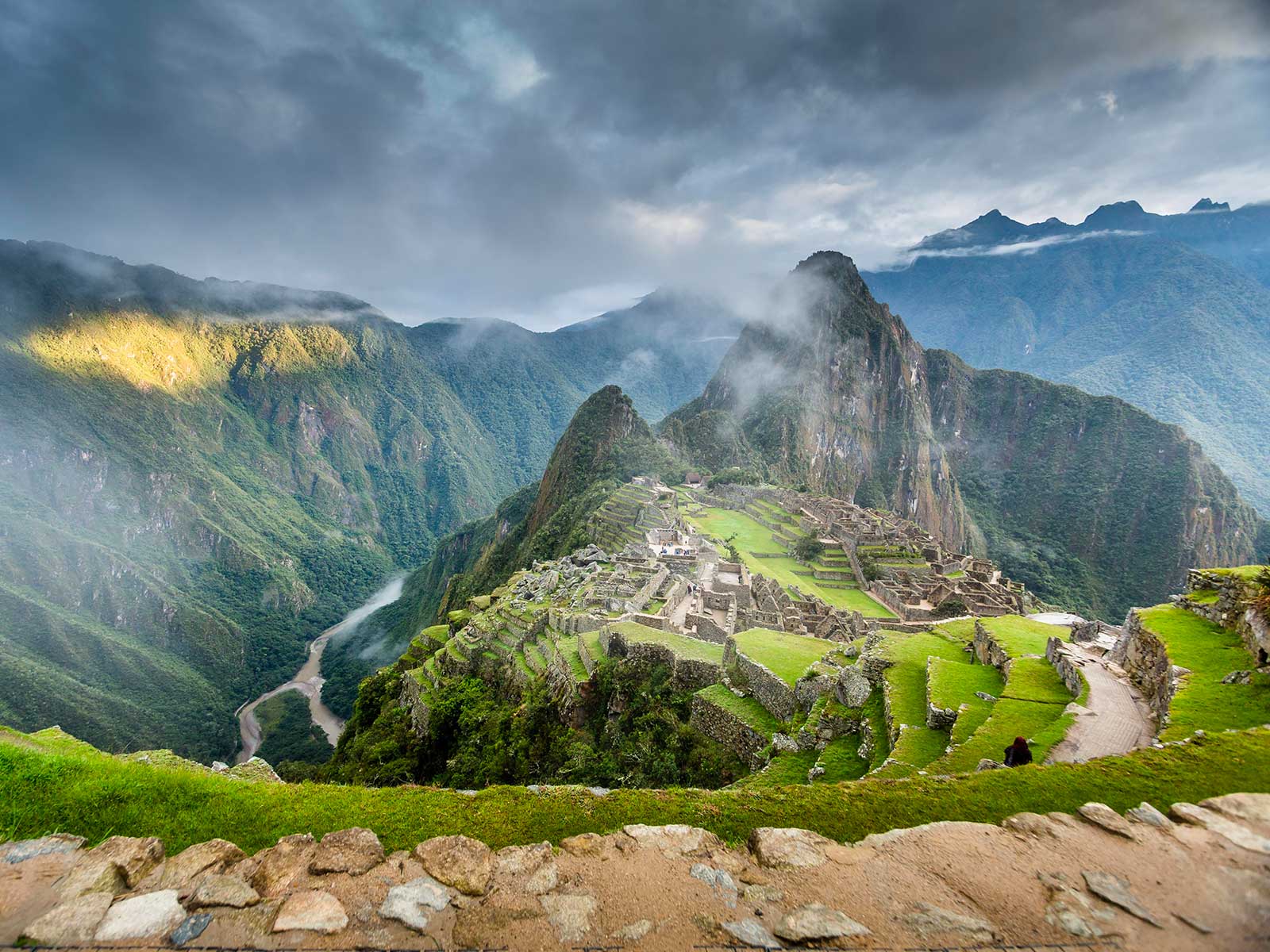
- Machu Picchu:The undisputed crown jewel of Peruvian tourism,Machu Picchu is typically accessed via a train from Ollantaytambo or Poroy (near Cusco) to Aguas Calientes, followed by a bus up to the citadel. Plan this trip well in advance.
- Rainbow Mountain (Vinicunca):For the adventurous, a challenging but rewarding day trip to Rainbow Mountain offers incredible views of multi-colored geological formations. Be prepared for high altitude and a strenuous hike.
- Colca Canyon:While further afield and often visited from Arequipa, some multi-day tours from Cusco can include Colca Canyon, home to the majestic Andean condor.
Where to Stay
Cusco offers a wide range of accommodation options to suit every budget and preference. The historic center is popular for its proximity to attractions, while the San Blas neighborhood offers boutique hotels and guesthouses with a more bohemian feel. You'll find everything from luxury hotels in restored colonial mansions to cozy hostels and budget-friendly guesthouses.
Food and Drink in Cusco
Peruvian cuisine is globally renowned, and Cusco is an excellent place to savor its flavors. Don't miss trying local specialties:
- Ceviche:Though more traditional on the coast, you can find excellent ceviche made with fresh trout.
- Lomo Saltado:A delicious stir-fry of beef, onions, tomatoes, and French fries, typically served with rice.
- Alpaca:A lean and tender meat, often served grilled or in stews.
- Cuy (Guinea Pig):A traditional Andean delicacy, often roasted whole.
- Pisco Sour:Peru's national cocktail, a must-try blend of pisco brandy, lime juice, simple syrup, egg white, and Angostura bitters.
For an authentic culinary experience, visit the Mercado Central de San Pedro, where you can find fresh produce, local dishes, and unique snacks.
Practical Tips for Travelers
- Best Time to Visit:The dry season (May to October) offers clear skies and pleasant temperatures, ideal for trekking, though it's also peak tourist season. The wet season (November to April) brings lush greenery and fewer crowds, but also daily rain showers.
- Money:The local currency is the Peruvian Sol (PEN). ATMs are widely available, and credit cards are accepted in most hotels and larger restaurants. It's always good to carry some cash for smaller purchases and markets.
- Safety:Cusco is generally safe for tourists, but like any popular destination, be aware of your surroundings, especially at night. Keep an eye on your belongings, and use reputable taxi services.
- Packing Essentials:Layers are key due to fluctuating temperatures. Include comfortable walking shoes, a waterproof jacket, sun protection (hat, sunglasses, high-SPF sunscreen), and a daypack for excursions.
- Respect Local Culture:Embrace the rich Andean culture. Learn a few basic Spanish phrases, be mindful when taking photos of locals, and always try to support local businesses.
Beyond Cusco: Continuing Your Peruvian Adventure
After exploring the wonders of Cusco and its surroundings, Peru offers a diverse range of experiences. You could head south to the stunning high-altitude landscapes of Lake Titicaca, explore the mysterious Nazca Lines, or venture into the Amazon rainforest at Manu National Park or Pacaya Samiria National Reserve. For desert adventures, consider Huacachina's oasis. Peru truly has something for every traveler.