
Best Time to Visit Peru: A Seasonal Travel Guide
Peru, a land of ancient mysteries, breathtaking landscapes, and vibrant culture, offers an unforgettable adventure for every traveler. Deciding the best time to visit this diverse nation largely depends on your desired activities and the regions you plan to explore, as its climate varies dramatically across its three main geographical zones.
Understanding Peru's Diverse Climate
Peru is unique in its climatic diversity, broadly categorized into three distinct regions, each with its own weather patterns:
- The Coast (Costa):Stretching along the Pacific Ocean, this region is predominantly desert-like, with a mild climate year-round. Lima, the capital, experiences a peculiar misty winter (garúa) and warm, sunny summers.
- The Highlands (Sierra):Home to the majestic Andes Mountains, this region includes iconic destinations like Cusco,Machu Picchu, and Lake Titicaca. It experiences a distinct dry season (winter) and a wet season (summer).
- The Amazon Rainforest (Selva):Covering the eastern part of the country, this region is characterized by high humidity, tropical temperatures, and significant rainfall throughout the year, with a slightly "drier" period.
The Dry Season (May to October): Peak Travel Time
For many, the dry season represents the ideal window to experience Peru, especially for those keen on trekking and exploring the Andean highlands.
Highlands (Andes): Optimal for Trekking and Exploration
During these months, the Andes enjoy clear, sunny days and crisp, cool nights. Rainfall is minimal, making it the perfect time for hiking and outdoor adventures.
- Weather:Expect abundant sunshine, lower humidity, and cooler temperatures, especially at night. Daytime temperatures can be pleasant (18-25°C / 64-77°F), but nights can drop significantly, often below freezing at higher altitudes.
- Activities:This is the prime time for visiting Machu Picchu, exploring Cusco and The Sacred Valley, undertaking treks like the Inca Trail, Salkantay, or Lares, and visiting sites such as Rainbow Mountain,Colca Canyon, and Laguna 69.
- Pros:Excellent trekking conditions, clear skies for photography, minimal travel disruptions due to weather.
- Cons:Higher tourist crowds, especially at popular sites, and increased demand for accommodations and tours, which can lead to higher costs.
Amazon Rainforest: Lower Water Levels, Easier Wildlife Spotting
While the rainforest is always wet, the dry season here means slightly less intense rainfall compared to the wet season.
- Weather:Still hot and humid, but with fewer heavy downpours. Rivers are at lower levels.
- Activities:Lower water levels mean animals tend to congregate closer to the main river channels, potentially making wildlife spotting easier. Trails are also generally more accessible for jungle walks in reserves like Pacaya Samiria National Reserve and Manu National Park.
- Pros:Potentially better wildlife viewing opportunities, easier access to jungle trails.
- Cons:Can still be very hot and humid, mosquitoes are always present.
Pacific Coast: Mild and Misty
The dry season coincides with winter on the Peruvian coast, particularly in the central and southern areas.
- Weather:Lima and surrounding areas experience the "garúa" – a characteristic low cloud cover and mist, resulting in cooler, often gray days. Further north, towards Mancora and Huanchaco, conditions are generally sunnier and warmer.
- Activities:Excellent for urban exploration in Lima, visiting the Paracas National Reserve, taking a flight over the Nazca Lines, or sandboarding in Huacachina. The cooler temperatures are pleasant for sightseeing.
- Pros:Comfortable for city tours and coastal excursions, less intense sun.
- Cons:Not ideal for beach holidays in the central and southern coast due to the persistent mist.
The Wet Season (November to April): Green Landscapes and Fewer Crowds
Often dubbed the "green season," this period brings vibrant landscapes and a different kind of charm to Peru.
Highlands (Andes): Lush Scenery, Rain Gear Essential
The wet season sees more rainfall in the Andes, with January to March being the wettest months.
- Weather:Expect daily afternoon showers, though mornings can often be clear. Temperatures are slightly warmer than the dry season, but nights are still cool. Trails can become muddy and slippery.
- Activities:Machu Picchu and The Sacred Valley remain open and are incredibly lush. However, some treks, notably the Inca Trail, close for maintenance in February. Other treks are still possible but require proper rain gear and caution.
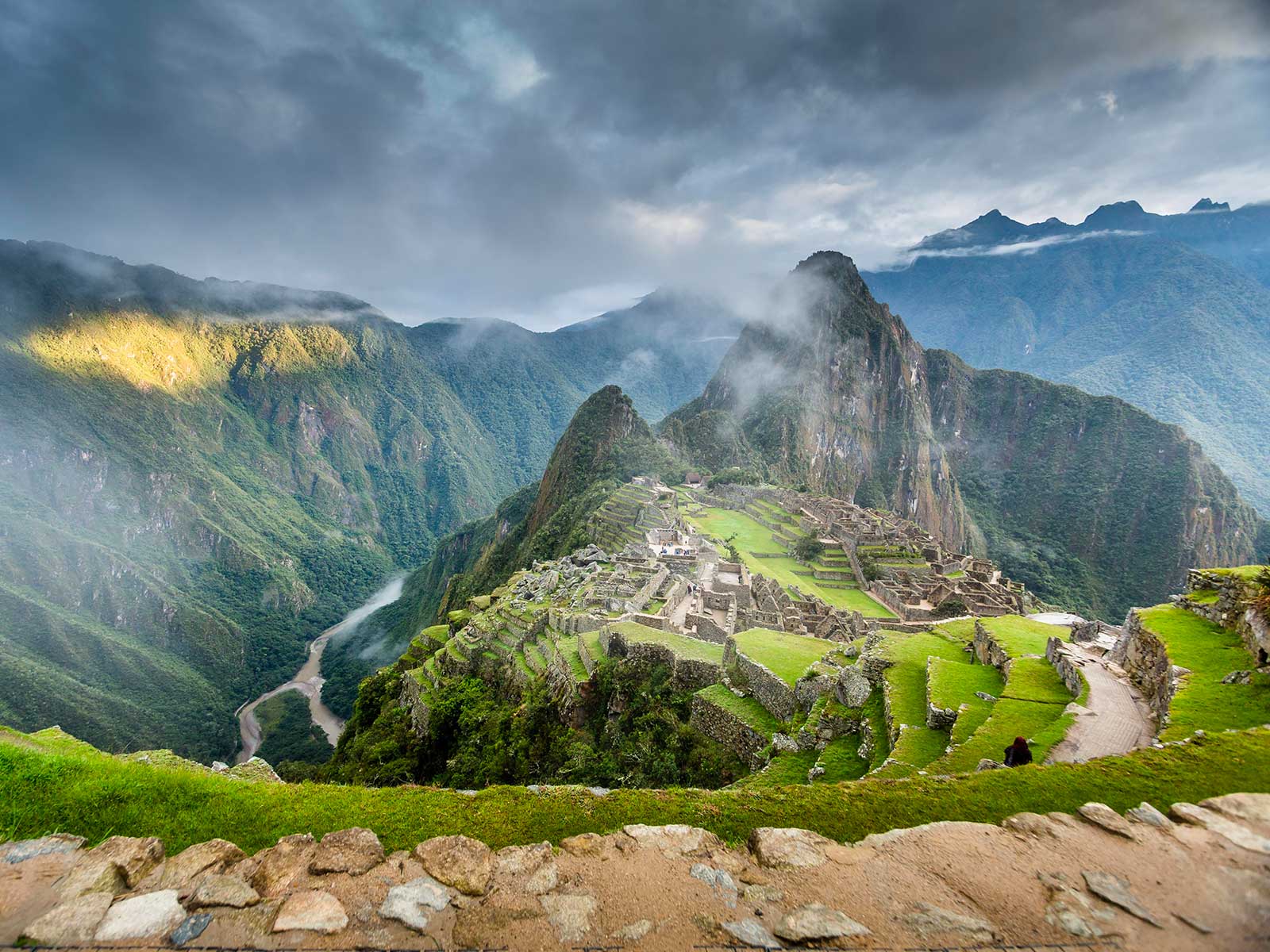
- Pros:Fewer tourists, vibrant green landscapes, dramatic cloud formations over ruins, lower demand for accommodation and tours.
- Cons:Muddy trails, potential for travel delays due to heavy rain, reduced visibility at high-altitude viewpoints.
Travel Tip:The classic Inca Trail to Machu Picchu is closed annually throughout February for maintenance and ecological recovery. If you plan to visit during this month, alternative routes like the Lares Trek or Salkantay Trek are excellent options, or you can take the train directly to Machu Picchu.
Amazon Rainforest: High Water Levels, River Exploration
This is the true wet season for the Amazon, with increased rainfall contributing to higher river levels.
- Weather:Heavy, frequent rainfall, high humidity, and warm temperatures.
- Activities:Higher water levels allow boats to navigate deeper into the flooded forest, offering unique perspectives and access to areas otherwise unreachable. This can be a fantastic time for river-based wildlife viewing.
- Pros:Unique boat excursions, different species of wildlife may be more visible near the water.
- Cons:More mosquitoes, some walking trails may be submerged, heavy rain can be disruptive.
Pacific Coast: Sunny and Warm
In stark contrast to the highlands, the wet season is summer on the Peruvian coast, bringing sun and warmth.
- Weather:Hot and sunny, with clear skies and pleasant ocean temperatures, especially from December to April.
- Activities:Perfect for beach holidays, surfing, and enjoying coastal towns like Mancora in the north.Lima is vibrant and sunny, ideal for strolling along the Malecon and dining al fresco.
- Pros:Excellent beach weather, ideal for water sports and coastal relaxation.
- Cons:Can be very hot and crowded in popular beach destinations.
Shoulder Seasons (April, May, September, October): The Best of Both Worlds?
The months immediately preceding and following the peak dry season often offer a sweet spot for travelers.
- April & May:The end of the wet season and beginning of the dry. Landscapes are still lush and green from the rains, but the weather is progressively improving with more sunny days. Crowds are fewer than in peak season.
- September & October:The end of the dry season. Weather remains generally good, but the crowds begin to thin out. This can be a fantastic time for trekking with slightly fewer people on the trails and often better value for tours and accommodation.
These shoulder months can offer a great balance of good weather, fewer crowds, and potentially better deals, making them an attractive option for those seeking a more relaxed yet rewarding experience.
Festivals and Special Events
Peru's rich cultural calendar can also influence your travel dates. Major festivals likeInti Raymi(the Festival of the Sun) in Cusco in June,Semana Santa(Holy Week) in March/April, andFiestas Patrias(Independence Day) in July are vibrant but can lead to increased crowds and higher prices in affected areas. Planning around these can enhance your trip with cultural immersion or help you avoid peak demand, depending on your preference.
Cultural Highlight:Inti Raymi, a spectacular ancient Inca festival, takes place in Cusco every June 24th. It's a truly unforgettable experience, but requires booking accommodations and tours well in advance due to high demand.
Choosing Your Ideal Time to Visit Peru
Ultimately, the "best" time depends on your priorities:
- For Trekking and Andean Exploration:May to October is generally preferred for stable weather, especially June to September for the clearest conditions.
- For Amazon Rainforest Adventures:June to October for potentially easier wildlife spotting on land; November to May for unique flooded forest experiences by boat.
- For Pacific Coast Beaches and Surfing:December to April for hot, sunny weather.
- For Cultural Exploration and Cities (Lima,Cusco,Chachapoyas,Markawasi Stone Forest,Pisac Archaeological Park):Year-round, but the dry season offers more consistently pleasant weather in the highlands.
- For Fewer Crowds and Better Value:The wet season (November to April) or shoulder seasons (April, May, September, October) can be excellent choices.
Essential Packing Tips for Any Season
Regardless of when you visit, layering is key due to Peru's varied microclimates. Always pack:
- Layers:T-shirts, long-sleeved shirts, fleece, and a waterproof/windproof outer shell.
- Rain Gear:A good quality waterproof jacket and trousers, especially for the highlands and jungle.
- Sun Protection:High-SPF sunscreen, sunglasses, and a wide-brimmed hat. The equatorial sun is strong at altitude.
- Insect Repellent:Essential for the jungle and coastal areas.
- Sturdy Footwear:Comfortable walking shoes or hiking boots, depending on your activities.
Peru truly is a destination that can be enjoyed year-round. By understanding its distinct seasonal patterns across its diverse regions, you can tailor your trip to perfectly match your interests and create an unforgettable Peruvian adventure.