
Paraguayan Culture and Customs: What Travelers Need to Know
Paraguay, often called the "Heart of South America," offers a rich tapestry of culture deeply rooted in its unique history and strong Guaraní heritage. Travelers venturing into this landlocked gem will discover a vibrant society defined by warmth, hospitality, and traditions that stand apart from its neighbors. Understanding these customs is key to an authentic and rewarding experience.
The Heart of Identity: Language and Communication
One of Paraguay's most distinctive cultural features is its official bilingualism. Both Spanish and Guaraní are widely spoken, and it's common for people to switch effortlessly between the two, a phenomenon known asjopará. Unlike many indigenous languages in South America, Guaraní is spoken by the vast majority of the population, regardless of ethnic background, making it a powerful symbol of national identity.
The Guaraní language isn't just spoken; it's intricately woven into Paraguayan identity, influencing everything from place names to everyday expressions. It’s one of the few indigenous languages in South America that remains widely spoken by a non-indigenous majority.
While Spanish will suffice for most travelers, learning a few basic Guaraní phrases like "Mba'éichapa" (How are you?) or "Aguyje" (Thank you) will be greatly appreciated and can open doors to warmer interactions. Greetings are generally polite and respectful, with a firm handshake being common for formal introductions.
Social Etiquette and Interactions
Paraguayans are renowned for their hospitality and warmth. Family is the cornerstone of society, with extended families often living close by and playing a significant role in daily life. Visitors may find themselves quickly integrated into social circles, experiencing genuine generosity.
- Greetings:A handshake is standard for men, while women often greet each other, and men, with a light kiss on the cheek (usually one kiss, right cheek to right cheek). This gesture is very common, even among strangers once an introduction has been made.
- Personal Space:Expect less personal space in conversations than in some Western cultures. People stand closer, and physical touch (a hand on the arm, for example) is common during discussions.
- Dress Code:While casual attire is generally acceptable, modesty is valued, especially in rural areas or when visiting religious sites. Avoid overly revealing clothing. Smart casual is a safe bet for evenings out in urban centers.
- Respect for Elders:Showing deference and respect towards older individuals is paramount.
Culinary Delights and Traditions
Paraguayan cuisine is hearty, often featuring meat, corn, and cassava (mandioca). However, no discussion of Paraguayan culture is complete without mentioning its most iconic beverage:
- Terere:This cold, herbal infusion ofyerba mateis more than just a drink; it's a social ritual. Shared from a single gourd (guampa) with a metal straw (bombilla), passed clockwise among a group, terere symbolizes friendship and community. You'll see it everywhere, from bustling city streets to quiet rural homes.
- Mate:While terere is dominant, hot mate is also consumed, particularly during colder months.
- Signature Dishes:
- Sopa Paraguaya:Despite its name, this is not a soup but a savory, dense corn bread or cake, typically made with corn flour, cheese, onions, and milk.
- Chipa:Delicious, ring-shaped cheesy bread made from cassava starch, often sold by street vendors.
- Empanadas:Fried or baked pastries filled with various savory ingredients like meat, cheese, or vegetables.
- Asado:Barbecue is a beloved social event, featuring various cuts of beef and sausages cooked over an open flame.
- Mbeju:A traditional flatbread made from cassava starch and cheese, often served for breakfast or a snack.
Music, Dance, and Festivals
Music is deeply ingrained in the Paraguayan soul. The elegant Paraguayan harp(arpa paraguaya) and guitar are central to the country's musical identity. Genres likePolka Paraguaya(distinct from European polka) andGuaraniaevoke strong national pride.
Traditional dances often accompany the music, with the "Bottle Dance" (Danza de la Botella), where dancers balance multiple bottles on their heads, being a mesmerizing spectacle. Religious festivals are also significant, with the pilgrimage to Caacupé in December being the largest and most important religious event in the country, drawing hundreds of thousands of devotees.
Religious Beliefs and Practices
Catholicism is the predominant religion in Paraguay, a legacy of Spanish colonization. Churches are important community centers, and religious holidays are widely observed. Travelers will notice a deep spiritual devotion among the people, often blended with indigenous beliefs, creating a unique form of syncretism, especially in rural areas.
When visiting churches or other sacred sites, such as the historical Ruinas de Jesús or San Cosme y Damián, it's important to dress respectfully and maintain a quiet demeanor.
Everyday Life and Practical Tips
- Punctuality:For social gatherings, "Hora Paraguaya" (Paraguayan time) suggests a more relaxed approach to punctuality. However, for business meetings or formal appointments, strive to be on time.
- Gift-Giving:While not expected for casual invitations, a small gift (like sweets or a souvenir from your home country) is always appreciated when visiting someone's home.
- Tipping:Tipping is not as ingrained as in some other countries. In restaurants, a 5-10% tip for good service is generous. Taxi drivers generally do not expect tips.
- Safety:Like any travel destination, exercise caution, especially in urban areas. Be aware of your surroundings, avoid displaying valuables, and take standard precautions against petty theft.
Exploring Paraguayan Heritage and Natural Wonders
Beyond its cultural heart, Paraguay offers a wealth of historical sites and natural beauty to explore. Delve into the rich history of the Jesuit Missions, with impressive remnants at places like Ruinas de Jesús and San Cosme y Damián, testaments to a fascinating colonial past.
Discover vibrant artisan crafts, such as the intricate ñandutí lace, or explore the ceramic workshops of Areguá. In the capital, Asunción, marvel at historical landmarks like the majestic Palacio de López.
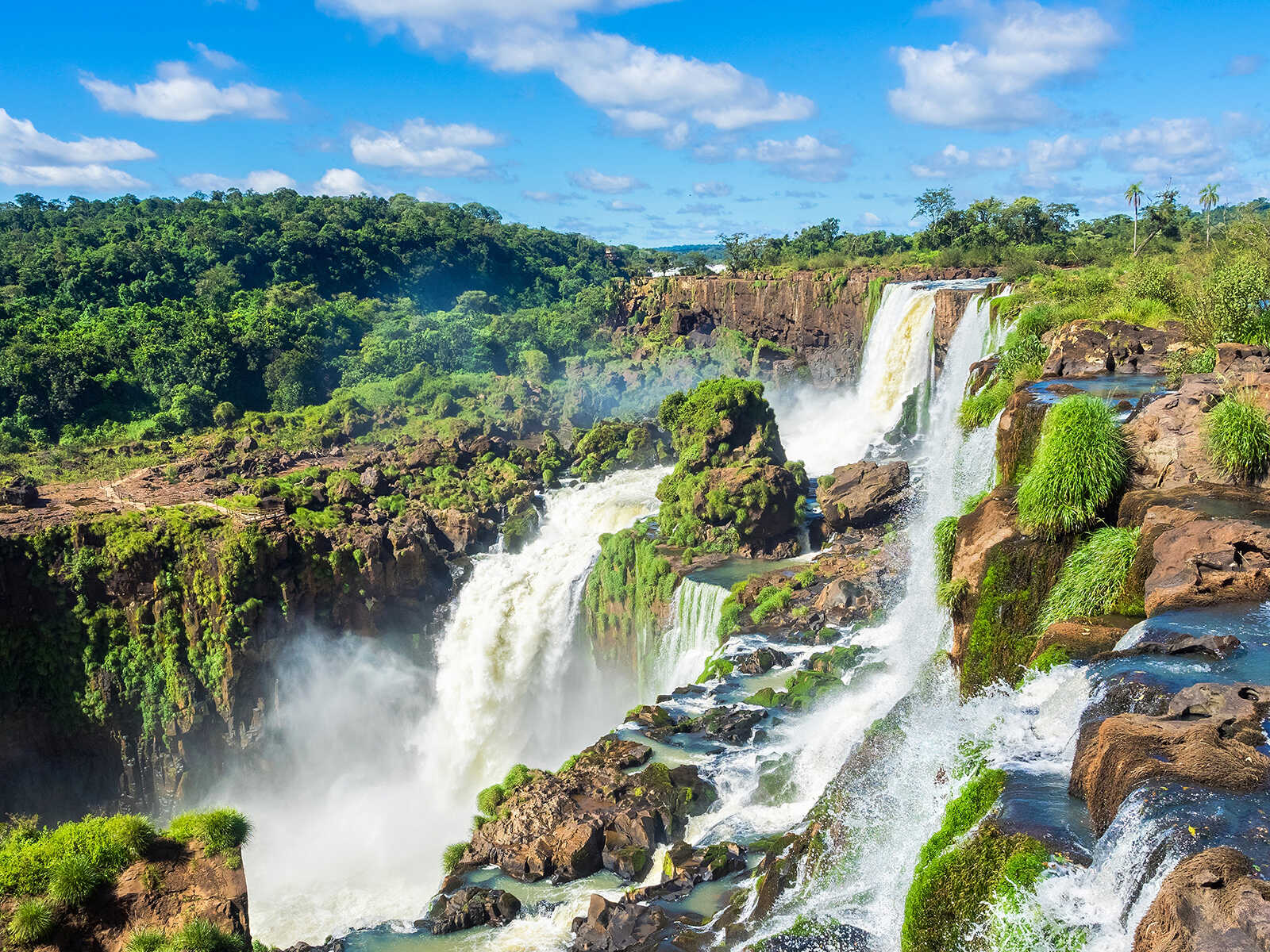
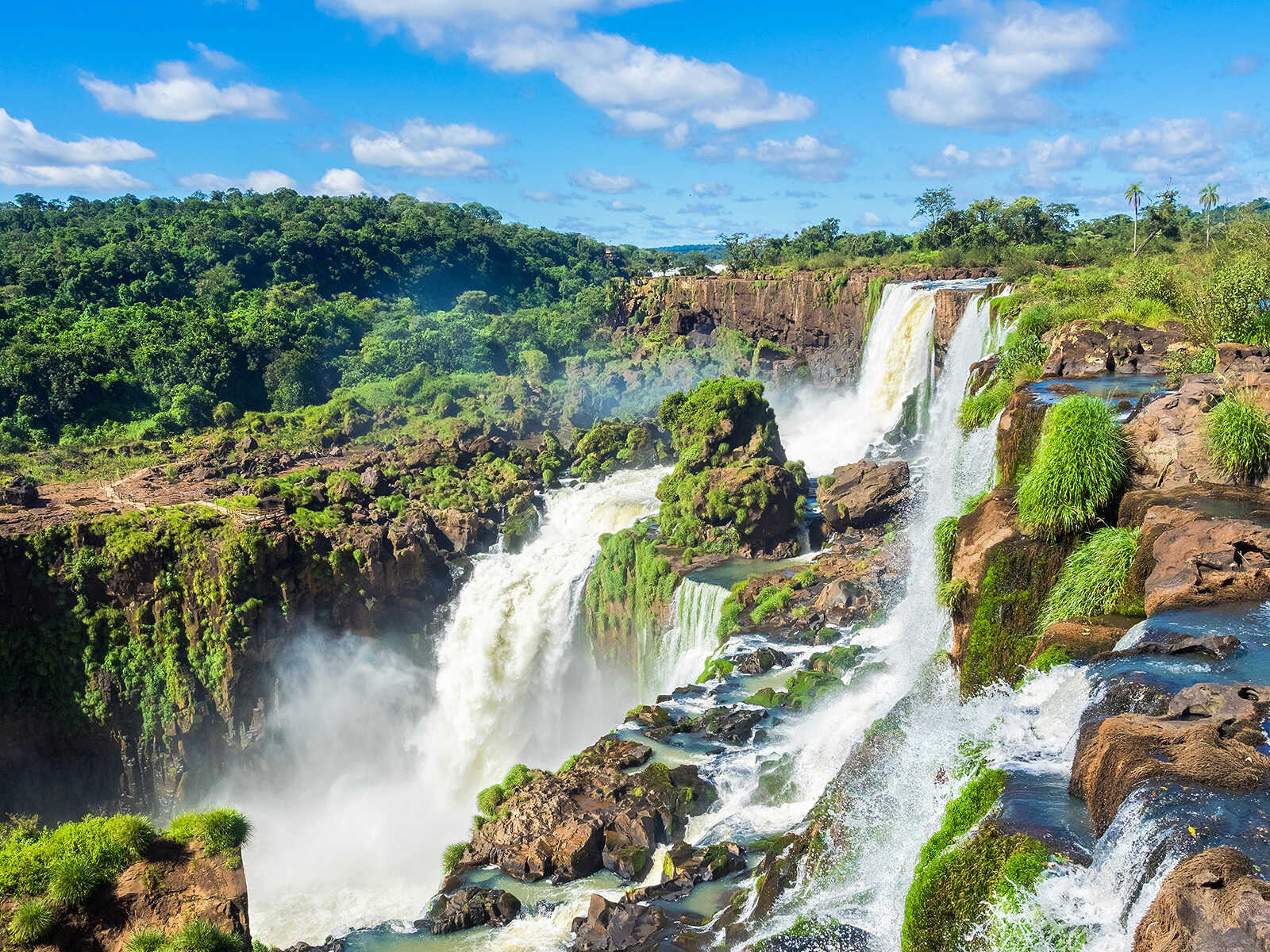
For nature enthusiasts, Paraguay boasts diverse landscapes. Relax by the serene waters of Lake Ypacaraí near San Bernardino, or witness the powerful cascades of Monday's Falls, close to the bustling Triple Frontier. Admire the engineering marvel of the Presa de Itaipu, one of the world's largest hydroelectric dams, showcasing national pride and innovation.
Venture into the unique ecosystems of the Chaco region, perhaps exploring the vastness of Defensores del Chaco National Park, or discover the lush greenery and waterfalls at Salto Suizo Parque Ecologico.
Paraguay offers a deeply authentic travel experience. By embracing its unique culture, respecting its customs, and engaging with its incredibly warm people, you'll discover a country that leaves a lasting impression. Prepare to be charmed by its traditions, its vibrant bilingualism, and the genuine hospitality that defines the "Corazón de América."