
Exploring the Triple Frontier: Paraguay, Brazil & Argentina Border Guide
The Triple Frontier, orTríplice Fronteira, is a fascinating geopolitical crossroads where Paraguay, Brazil, and Argentina converge. This vibrant region offers a unique blend of cultures, commerce, and breathtaking natural beauty, making it an unmissable destination for intrepid travelers.
Understanding the Triple Frontier
Nestled at the confluence of the Paraná and Iguazú rivers, the Triple Frontier is more than just a geographical point; it's a dynamic hub of activity, trade, and cultural exchange. Each country contributes its own flavor, creating a rich tapestry of experiences that range from bustling markets to majestic waterfalls. For those based in Paraguay,the Triple Frontier offers an incredible opportunity to explore three nations in one journey.
Ciudad del Este: Paraguay's Gateway to the Frontier
Paraguay's main city in the region isCiudad del Este (CDE), a bustling metropolis renowned for its vibrant commercial scene. Known as a shopper's paradise, CDE attracts visitors from across South America seeking electronics, clothing, and various goods at competitive prices. Its streets are a constant flurry of activity, with vendors, shoppers, and vehicles creating an energetic atmosphere unlike anywhere else.
Beyond the shopping, CDE serves as the perfect base for exploring the wider Triple Frontier region. Its strategic location makes it incredibly convenient for day trips into neighboring Brazil and Argentina, offering a different perspective on the shared landscape.
Crossing the Friendship Bridge (Puente de la Amistad)
The iconic Friendship Bridge (Puente de la Amistad) connects Ciudad del Este, Paraguay, with Foz do Iguaçu, Brazil. This bridge is a constant stream of traffic – cars, buses, motorcycles, and pedestrians – reflecting the intense commercial and tourist activity between the two nations. Crossing it is an experience in itself, offering panoramic views of the Paraná River.
- Documentation:Always carry your passport. While Brazilians and Paraguayans often cross without formal immigration checks for short visits, international travelersmustgo through immigration to get an entry/exit stamp. Failure to do so can lead to issues when leaving the country.
- Transportation:Taxis, local buses, and ride-sharing apps are readily available on both sides. Be prepared for potential traffic delays, especially during peak hours.
Journeying to Argentina (Puerto Iguazú)
From Ciudad del Este, reaching Puerto Iguazú in Argentina typically involves first crossing into Foz do Iguaçu, Brazil. From Foz, you can take another bus or taxi to the Argentine border. Alternatively, some tour operators offer direct transfers from CDE to Puerto Iguazú, navigating both borders for you.
- Documentation:As with Brazil, ensure your passport is stamped upon entry and exit from Argentina.
- Multi-Border Crossings:When planning to visit attractions in all three countries, factor in time for border procedures. While often straightforward, they can be unpredictable.
Tip:Keep all your immigration slips and stamps organized. They are crucial for a smooth exit from each country and to avoid potential fines or delays.
Must-Visit Attractions on the Paraguayan Side
While often overshadowed by the Brazilian and Argentine sides of the falls, Paraguay boasts significant attractions that are absolutely worth exploring.
Monday's Falls (Saltos del Monday)
Just a short drive from Ciudad del Este,Monday's Falls(Saltos del Monday) offers a spectacular natural spectacle. These powerful waterfalls, plunging over a 40-meter (130-foot) cliff into the Monday River, are surrounded by lush parkland. A well-maintained infrastructure allows visitors to enjoy various viewpoints, hiking trails, and even adventure sports like rappelling and ziplining. It's a tranquil escape from the urban hustle of CDE.
Itaipu Dam (Presa de Itaipu)
An engineering marvel, the Itaipu Dam is one of the largest hydroelectric power plants in the world, jointly operated by Paraguay and Brazil. Located just north of Ciudad del Este, it's a testament to human ingenuity and international cooperation. Visitors can take guided tours that explain the dam's history, construction, and its immense impact on energy production for both nations. The panoramic views from the dam are truly breathtaking, showcasing its sheer scale.
Beyond the Immediate Frontier
If you have more time to explore Paraguay, consider venturing further. While not directly in the Triple Frontier, sites like the Ruinas de Jesús(a UNESCO World Heritage Jesuit Reduction) offer a glimpse into Paraguay's colonial past and are accessible via a longer day trip or overnight stay from Ciudad del Este.
Exploring Beyond Paraguay (Briefly)
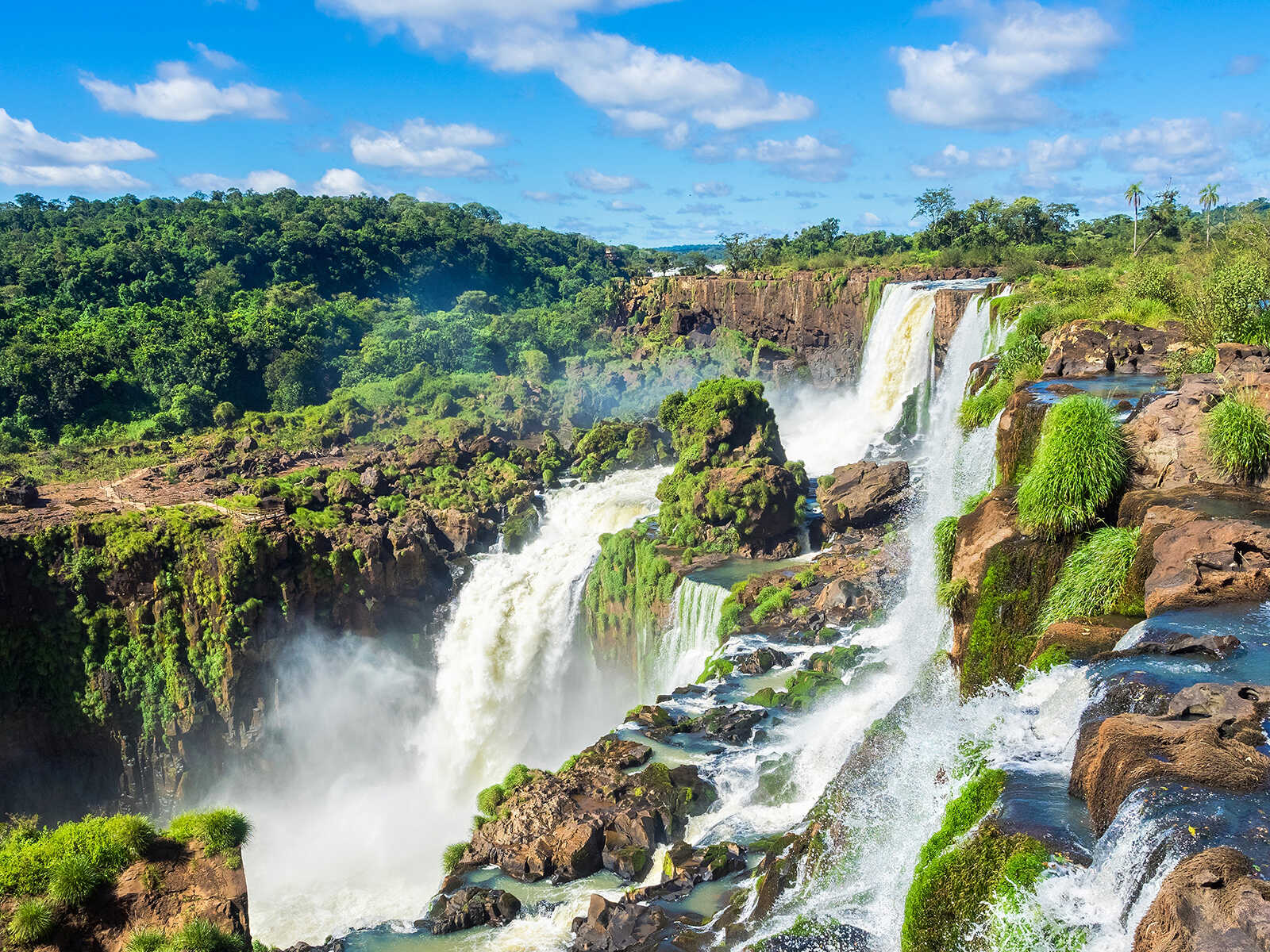
From your Paraguayan base, accessing the famous Iguazu Falls is incredibly easy. The Brazilian side (Foz do Iguaçu) offers panoramic views of the falls, including a fantastic boardwalk that takes you close to the 'Devil's Throat'. The Argentine side (Puerto Iguazú) provides a more immersive experience with extensive trails, boat rides, and multiple viewpoints that allow you to get up close to many of the individual cascades.
Other popular attractions include the Bird Park (Parque das Aves) in Brazil, a conservation sanctuary for tropical birds, and La Aripuca in Argentina, an eco-tourism project showcasing regional biodiversity and culture.
Practical Tips for a Smooth Triple Frontier Experience
Navigating the Triple Frontier can be an exhilarating adventure, but a few practical tips will ensure a smoother journey:
- Documentation is Key:Always carry your passport, any required visas, and photocopies of important documents. Check visa requirements for Brazil and Argentina based on your nationality well in advance.
- Currency:Paraguayan Guaraní (PYG), Brazilian Real (BRL), and Argentine Peso (ARS) are the official currencies. US Dollars are also widely accepted in Ciudad del Este. Exchange rates can vary, so be mindful when converting money. Credit cards are accepted in larger establishments, but cash is often preferred in markets.
- Safety:Like any bustling border region, it's important to be aware of your surroundings. Keep valuables secure, avoid flashing large sums of money, and be wary of unofficial vendors or unsolicited help. Stick to well-trafficked areas, especially after dark.
- Transportation:Taxis are plentiful but agree on a price before starting your journey or ensure the meter is used. Ride-sharing apps are increasingly popular. Inter-city buses are a reliable and cost-effective way to travel between the three cities.
- Language:Spanish is predominant in Paraguay and Argentina, while Portuguese is spoken in Brazil. Many people in the Triple Frontier also speak a mix of these, and some basic English might be understood in tourist areas. Learning a few basic phrases in Spanish or Portuguese will be beneficial.
- Time Zones:Be aware that time zones can differ between the countries, especially during daylight saving periods.
The Cultural Tapestry
The Triple Frontier is a true melting pot. You'll hear Spanish, Portuguese, and Guarani (Paraguay's co-official language) spoken interchangeably. The cuisine reflects this diversity, with Paraguayansopa paraguaya, Brazilian churrasco, and Argentine empanadas all readily available. This blend of traditions, languages, and flavors makes the region a unique cultural experience, offering insights into the broader South American identity.
Exploring the Triple Frontier from Paraguay provides an incredible opportunity to immerse yourself in a region where three nations converge. From the commercial energy of Ciudad del Este to the natural wonders of the waterfalls and the engineering marvel of Itaipu, it's an adventure that promises diverse experiences and unforgettable memories.