
Understanding Palauan Customs & Etiquette for Travelers
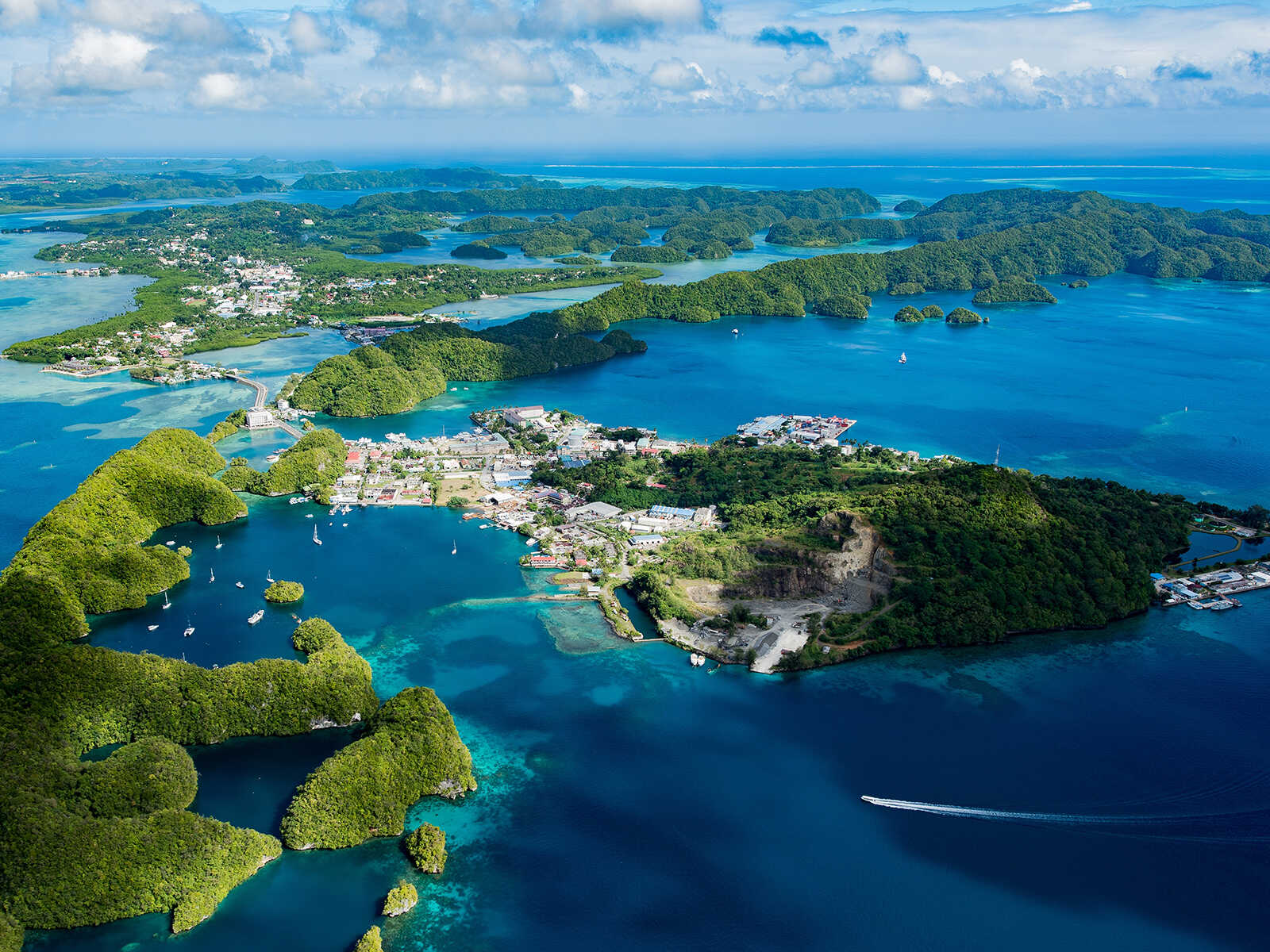
Palau, a pristine archipelago in Micronesia, offers an unparalleled travel experience with its breathtaking natural beauty and vibrant culture. To truly immerse yourself and ensure a respectful visit, understanding local customs and etiquette is paramount.
Palauan society is deeply rooted in tradition, respect for elders, community, and the environment. Travelers who take the time to learn and observe these nuances will find their journey enriched, fostering genuine connections with the friendly local people. This guide will equip you with practical advice for navigating social interactions, cultural practices, and environmental considerations during your Palauan adventure.
Core Palauan Values: Respect and Community
At the heart of Palauan culture lies a strong emphasis onrespect(uluang) andcommunity(rechuodel). These values influence everything from greetings to how people interact with their natural surroundings. Family ties are incredibly strong, and elders hold a revered position in society. Visitors will notice a slower, more deliberate pace of life, reflecting a deep connection to tradition and the environment.
Did you know?The traditional Palauan social system is matrilineal, meaning lineage and clan identity are traced through the mother. This unique structure greatly influences family dynamics and community roles.
Greetings and Social Interactions
First impressions matter, and a polite greeting goes a long way in Palau.
- Simple Greetings:A friendly "Alii" (pronounced ah-lee-ee) is the most common and versatile Palauan greeting, meaning hello. You can also use "Mogethin" (moh-geh-thin) for good morning/day.
- Handshakes:A light handshake is common, especially when meeting someone for the first time.
- Eye Contact:Direct eye contact is generally acceptable, but prolonged staring might be perceived as impolite.
- Forms of Address:Use titles like "Mr.," "Mrs.," or "Ms." until invited to use a first name. Elders are always addressed with respect.
- Patience:Palauan communication can be indirect. Be patient and allow for pauses in conversation.
Dress Code: Adapting to Your Surroundings
While Palau is a tropical destination, awareness of appropriate attire is crucial, especially outside of resort areas.
- General Wear:Light, comfortable clothing is suitable for most occasions. In towns like Koror Island or areas like Malakal Island, casual wear is fine, but avoid overly revealing clothing.
- Visiting Villages & Churches:When visiting local villages, traditional meeting houses (bai), or churches, it's respectful to dress modestly. Shoulders and knees should be covered. For women, a sarong or skirt below the knee and a covered top are appropriate.
- Swimming & Beaches:Swimwear is perfectly acceptable at beaches, dive sites like the German Channel, or when enjoying activities at Jellyfish Lake or Milky Way. However, it's considered impolite to walk around towns or villages in just swimwear. Cover up when transitioning from the water to public areas.
Visiting Homes and Sacred Sites
If you are invited into a Palauan home or are visiting a significant cultural site, observe these courtesies:
- Removing Shoes:Always remove your shoes before entering a home, traditional meeting house, or other sacred spaces.
- Small Gifts:While not mandatory, a small gift (like a snack or fruit) for your hosts is a thoughtful gesture of appreciation.
- Respectful Conduct:Maintain a quiet and respectful demeanor, especially in traditional areas such as near the ancient Stone Monoliths or in remote villages on islands like Kayangel Island.
- Asking Permission:If you're unsure about entering a specific area or taking photos, always ask first.
Dining Etiquette
Meals are often a communal affair and an important part of Palauan social life.
- Sharing Food:It's common for dishes to be shared among everyone at the table. Wait for elders to be served first.
- Utensils:Forks and spoons are typically used, though some traditional dishes might be eaten by hand.
- No Waste:Finish what's on your plate if possible, as wasting food is generally frowned upon.
- Tipping:Tipping is not traditionally part of Palauan culture but is becoming more common in tourist-oriented services. It's always appreciated for good service but not expected.
Environmental Responsibility: The Palau Pledge
Palau is globally recognized for its pioneering efforts in marine conservation. As a visitor, you are expected to uphold these standards.
Upon arrival, all visitors must sign thePalau Pledge, a promise to protect Palau's unique natural and cultural heritage for future generations. This is a legally binding commitment to responsible tourism.
- Respect Marine Life:Do not touch, feed, or harass marine animals. This applies whether you're diving near the German Channel or swimming in Jellyfish Lake.
- Coral Protection:Avoid touching or standing on coral reefs. Use reef-safe sunscreen.
- Waste Management:Dispose of all trash properly. Palau has strict regulations against littering.
- Natural Sites:When visiting natural wonders like Ngardmau Waterfalls or the Milky Way, stick to marked paths and do not disturb the natural environment.
- Souvenirs:Do not remove any natural items such as coral, shells, or sand.
Photography and Privacy
Capturing the beauty of Palau is tempting, but always do so respectfully.
- People:Always ask for permission before taking photos of individuals, especially children. A simple gesture and a smile often suffice. Respect a "no."
- Sacred Sites:Exercise caution and ask before photographing traditional or sacred sites like the ancient Stone Monoliths or areas within Chelbacheb(Rock Islands Southern Lagoon). Some areas may prohibit photography.
General Tips for a Respectful and Rewarding Visit
- Learn Basic Phrases:Even a few words in Palauan like "Alii" (hello), "Mesulang" (thank you), or "Ke ua ngerang?" (how are you?) will be greatly appreciated.
- Be Patient:Things may operate on "island time." Embrace the relaxed pace.
- Observe and Listen:Pay attention to local cues and traditions. When in doubt, observe what locals are doing.
- Support Local:Patronize local businesses, restaurants, and tour operators to contribute directly to the community, whether in Koror Island or smaller communities like those on Kayangel Island.
- Stay Hydrated:Always carry water, especially when exploring.
By understanding and respecting Palauan customs and etiquette, you not only ensure a smooth and enjoyable trip but also contribute positively to the preservation of this unique culture and its pristine environment. Your thoughtful approach will be met with warmth and hospitality, leaving you with unforgettable memories of the Republic of Palau.