
Snorkeling Jellyfish Lake Palau: A Guide to This Unique Phenomenon
Imagine swimming amongst millions of harmless jellyfish, a truly otherworldly experience.Jellyfish Lake in Palau's Rock Islands offers just that: a unique opportunity to witness an evolutionary marvel firsthand. This guide will help you prepare for an unforgettable adventure into one of nature's most extraordinary aquatic environments.
What is Jellyfish Lake?
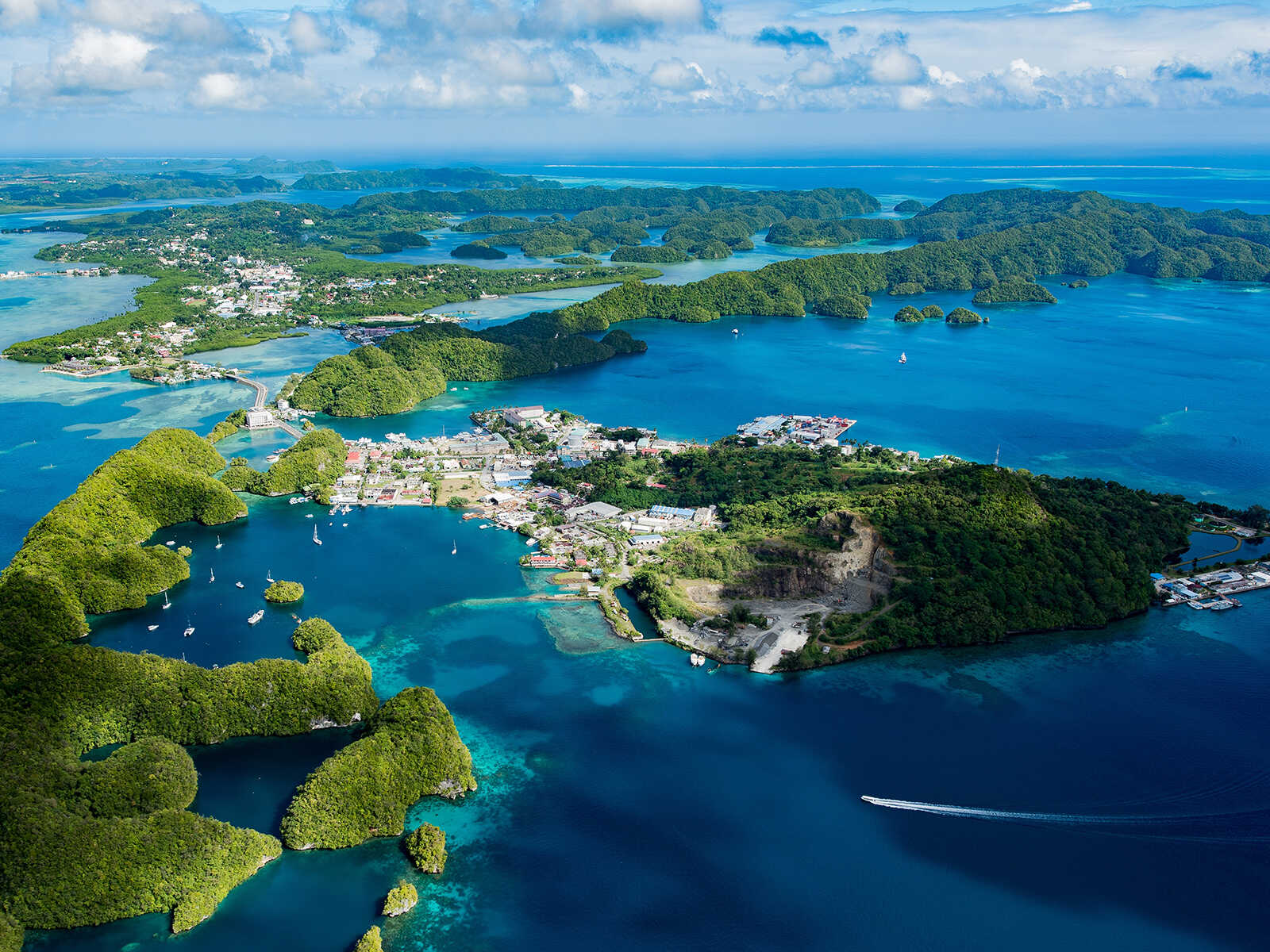
Nestled within the lush, emerald Rock Islands of Palau, Ongeim'l Tketau, more famously known as Jellyfish Lake, is a marine lake unlike any other. This isolated body of water, cut off from the open ocean for millennia, has become a living laboratory of evolution, fostering a unique ecosystem centered around its most famous inhabitants: millions of golden jellyfish.
Its Geological Formation
Jellyfish Lake is one of many marine lakes, or "saltwater lakes," found within Palau's Rock Islands. These lakes were formed thousands of years ago when rising sea levels filled ancient limestone depressions. Over time, geological shifts isolated these basins from the surrounding ocean, though some maintain subtle connections through fissures in the limestone. This isolation led to distinct evolutionary pathways for the marine life trapped within.
A Lake of Evolution
The lake's partial isolation meant that its resident jellyfish, the golden jellyfish (Mastigias papua etpisoni), evolved independently. Without marine predators like large fish or sea turtles, their stinging cells (nematocysts) gradually lost their potency, making them virtually harmless to humans. This remarkable adaptation is what allows visitors to swim freely among them today.
The Golden Jellyfish: A Gentle Giant
The stars of the show in Jellyfish Lake are undoubtedly the golden jellyfish. These beautiful creatures, distinct from their oceanic relatives, are a testament to nature's adaptability. Their mesmerizing pulsating movements create an ethereal ballet beneath the surface, a truly captivating sight for snorkelers.
Symbiotic Life
The golden jellyfish of Jellyfish Lake have a fascinating symbiotic relationship with zooxanthellae, microscopic algae that live within their tissues. These algae perform photosynthesis, converting sunlight into energy, which the jellyfish then utilize. This mutualistic relationship explains why the jellyfish migrate horizontally across the lake daily, following the sun's path to maximize their algae's exposure to light. At night, they descend to deeper, anoxic layers of the lake to absorb vital nutrients, completing their unique daily cycle.
"The golden jellyfish of Jellyfish Lake have evolved to rely heavily on sunlight for energy, making their daily migration across the lake one of nature's most elegant ballets."
The Snorkeling Experience: What to Expect
Snorkeling in Jellyfish Lake is an experience that transcends typical aquatic adventures. It's a serene encounter with millions of delicate, pulsating life forms in an environment unlike anywhere else on Earth.
Getting in the Water
Access to the lake involves a short, but sometimes steep, hike over a limestone ridge from the landing site. Once you reach the lake's edge, you'll don your snorkel gear and gently enter the water. The initial moments might feel surreal as you paddle into the heart of the jellyfish population.
The Sensation
As you swim, you'll find yourself surrounded by literally millions of jellyfish, ranging from tiny juveniles to dinner-plate-sized adults. They are incredibly soft and delicate; you'll feel a gentle, almost imperceptible brush against your skin as they pulse past. It's crucial to move slowly and gracefully to avoid disturbing them. The water itself is often a bit murky in the upper layers due to the sheer density of the jellyfish, but this only adds to the otherworldly atmosphere.
Conservation and Responsible Tourism
Jellyfish Lake is a fragile ecosystem, and its continued health depends entirely on responsible tourism. Years ago, the lake's jellyfish population experienced a significant decline, attributed to a combination of drought and potentially human impact. While the population has largely recovered, this event highlighted the critical need for strict conservation measures.
Rules to Follow
To protect this unique environment, visitors must adhere to strict guidelines:
- No SCUBA Diving:The deeper layers of the lake are anoxic (devoid of oxygen) and contain toxic hydrogen sulfide, which can be fatal to divers and disrupt the delicate stratification of the lake. Only snorkeling is permitted.
- No Sunscreen or Lotions:Chemicals from sunscreens, insect repellents, and lotions can harm the jellyfish and the lake's ecosystem. Use rash guards or long-sleeved swimwear for sun protection.
- No Touching the Jellyfish:While harmless, the jellyfish are delicate. Touching them can damage their fragile bodies.
- No Feeding:Do not attempt to feed the jellyfish or introduce any foreign substances into the water.
- Stay with Your Guide:Always follow the instructions of your licensed tour guide.
Why Conservation Matters
The health of Jellyfish Lake is a barometer for the broader Rock Islands ecosystem. By respecting its rules, visitors contribute directly to the preservation of a global natural treasure and ensure future generations can also marvel at this unique phenomenon.
Planning Your Visit
Visiting Jellyfish Lake requires careful planning, typically as part of a guided tour from Koror Island, Palau's main population center. The lake is located within the Rock Islands Southern Lagoon, a UNESCO World Heritage site.
Permits and Guides
All visitors to the Rock Islands, including Jellyfish Lake, require a valid Rock Islands Permit (often called a "Jellyfish Lake Permit"). These permits are typically purchased through your tour operator or at the Koror State Government office. Traveling with a licensed tour guide is mandatory and highly recommended for both safety and ecological reasons.
Essential Gear
Beyond your basic snorkel mask, fins, and snorkel, consider bringing:
- Rash Guard or Long-Sleeved Swimwear:For sun protection without using harmful chemicals.
- Swim Shoes or Sandals:For the short hike to the lake.
- Reusable Water Bottle:Stay hydrated.
- Underwater Camera:To capture the magic (ensure it's secured!).
- Hat and Sunglasses:For before and after your swim.
Best Time to Visit
Palau generally enjoys a tropical climate year-round. While there isn't a strict "best" season for the jellyfish population itself (they are always there, though numbers fluctuate naturally), the dry season from November to April offers slightly calmer seas for boat transfers to the Rock Islands. However, tours operate year-round, weather permitting.
Beyond Jellyfish Lake: More of Palau
While Jellyfish Lake is an undeniable highlight, Palau offers a wealth of other natural wonders. Extend your visit to explore the vibrant underwater world, historical sites, and lush terrestrial landscapes.
- Diving and Snorkeling:Explore world-renowned dive sites like the German Channel, famous for manta rays, or the dramatic walls and wrecks around Malakal Island.
- Milky Way:Experience another unique marine lake, the Milky Way, known for its mineral-rich white mud, believed to have rejuvenating properties.
- Kayaking and Paddleboarding:Navigate through the labyrinthine passages of the Rock Islands, discovering hidden beaches and grottoes.
- Land-based Adventures:Discover the ancient Stone Monoliths, trek to the stunning Ngardmau Waterfalls, or visit the remote beauty of Kayangel Island.
Palau is a destination that promises adventure, tranquility, and unparalleled natural beauty. Snorkeling Jellyfish Lake is just the beginning of what this remarkable island nation has to offer.