
Photography Guide to Palau: Capturing the Beauty Above and Below Water
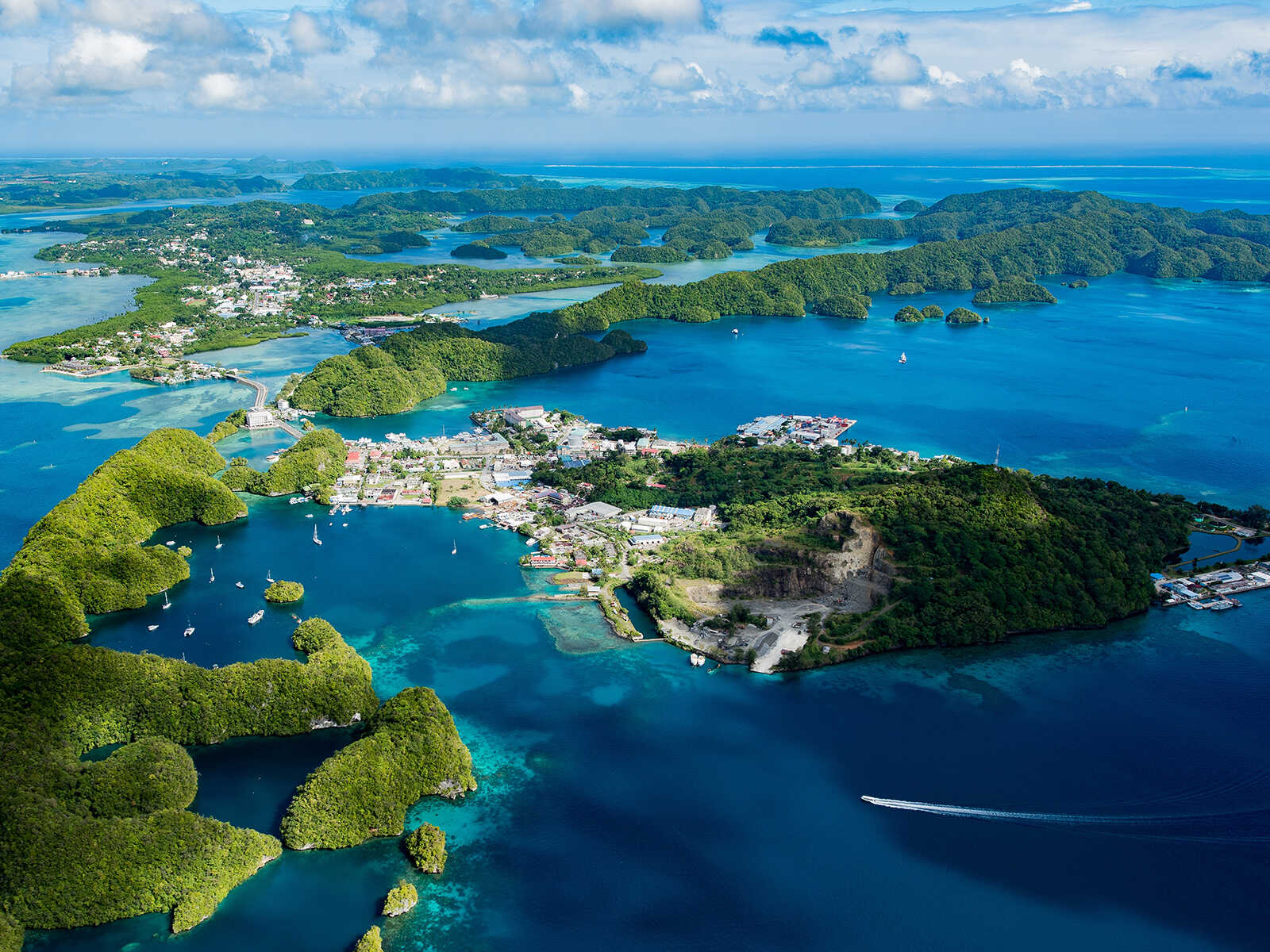
Palau, a pristine archipelago in Micronesia, offers a breathtaking canvas for photographers, both seasoned and aspiring. From its iconic Rock Islands to its vibrant coral reefs teeming with life, every corner presents an unparalleled opportunity to capture stunning imagery. This guide will equip you with the knowledge and tips to immortalize Palau's unique charm, above and below the surface.
Why Palau is a Photographer's Dream
Renowned for its unparalleled biodiversity and commitment to conservation, Palau is a visual feast. Its dramatic limestone formations, lush jungles, and crystal-clear waters harbor an incredible array of flora and fauna. Whether you're aiming for sweeping landscape shots or intimate macro portraits of marine life, Palau delivers a diverse and spectacular backdrop for your photographic endeavors.
Essential Gear for Your Palau Photography Expedition
Preparation is key. Bringing the right equipment will ensure you don't miss any of Palau's photographic opportunities.
Above-Water Photography Gear
- Camera Body:A reliable DSLR or mirrorless camera with good dynamic range is ideal for capturing both bright skies and shadowy landscapes.
- Lenses:
- Wide-angle lens (16-35mm equivalent):Essential for expansive landscapes, Rock Islands, and starry night skies.
- Mid-range zoom lens (24-70mm equivalent):Versatile for general travel, portraits, and street photography.
- Telephoto lens (70-200mm equivalent or longer):Useful for capturing distant wildlife, birds, or details of the Rock Islands.
- Tripod:Indispensable for long exposures (waterfalls, astrophotography) and sharp landscape shots.
- Filters:
- Polarizing filter:Reduces glare on water and enhances sky colors.
- Neutral Density (ND) filters:Allows for longer exposures, especially useful for silky waterfall effects.
- Drone:Offers unique aerial perspectives of the Rock Islands and coastlines. Be sure to research and adhere to local drone regulations, which can be strict.
- Protection:Rain cover, dry bag, and plenty of silica gel packs to combat humidity.
Underwater Photography Gear
Underwater photography requires specialized equipment and a solid understanding of its operation.
- Underwater Camera Setup:
- Compact Camera with Housing:A great entry point, often capable of stunning results. Look for models with manual controls.
- Mirrorless/DSLR with Housing:Offers superior image quality and flexibility, but requires a larger investment and more bulk.
- Strobes (Flashes) or Video Lights:Crucial for restoring color and adding dimension to underwater images. Natural light diminishes quickly underwater, making strobes almost mandatory for quality results.
- Wet Lenses:
- Wide-angle conversion lens:For capturing large reefscapes, schools of fish, or mantas.
- Macro conversion lens:For tiny critters like nudibranchs, pygmy seahorses, and intricate coral details.
- Float Arms and Trays:Help manage the buoyancy of your setup and provide mounting points for lights.
- Accessories:Plenty of spare batteries, high-capacity memory cards, and lens cleaning cloths.
- GoPro:Excellent for casual video clips and wide-angle stills, especially if you're not ready for a full-fledged underwater setup.
Mastering Above-Water Photography in Palau
Palau's land-based attractions are as captivating as its underwater realms.
Landscape & Rock Islands
The iconic Chelbacheb(Rock Islands Southern Lagoon), a UNESCO World Heritage site, demands wide-angle lenses. Plan your shoots around sunrise or sunset (the "golden hour") for soft, warm light that enhances the texture of the limestone formations. Seek out elevated viewpoints on Koror Island or during boat tours for panoramic shots. Look for leading lines in the water or dramatic cloud formations to add depth to your compositions.
Waterfalls & Jungles
Palau's interior offers lush jungle treks to stunning waterfalls like Ngardmau Waterfalls. Use a tripod and an ND filter to achieve silky smooth water effects with a slow shutter speed (e.g., 1/2 to 2 seconds). Be mindful of challenging lighting conditions under the dense canopy; a flash or reflector can help fill in shadows.
Cultural & Local Life
For a glimpse into Palauan culture, explore local villages or markets. Locations like Malakal Island or even a trip to Kayangel Island can offer unique cultural photo opportunities. Always ask for permission before photographing individuals, and be respectful of local customs. The ancient Stone Monoliths also offer a fascinating historical subject.
Astrophotography
With minimal light pollution in many areas, Palau is an excellent location for astrophotography. Head away from the main towns on Koror Island to capture the Milky Way arching over the Rock Islands. A sturdy tripod, wide-angle lens with a large aperture (f/2.8 or wider), and manual focus are essential.
Diving Deep: Underwater Photography Tips for Palau
Palau's underwater world is where many photographers find their true calling. Patience and respect are paramount.
General Underwater Principles
- Buoyancy Control:Mastering your buoyancy is fundamental. It ensures safety, protects the reef, and allows you to position yourself for the perfect shot without stirring up sediment.
- Get Close:Water absorbs light and color. The closer you are to your subject, the less water column is between you and the subject, resulting in sharper images with better color saturation.
- Shoot Upwards:Whenever possible, try to shoot slightly upwards, using the water surface or open water as a clean background. This helps separate your subject and provides better lighting.
- Use Strobes/Lights:As mentioned, strobes bring back vibrant colors lost to depth. Position them carefully to avoid backscatter (light reflecting off particles in the water).
- Respect Marine Life:Never touch, chase, or harass marine animals or corals. Observe from a respectful distance and let the subjects come to you.
Iconic Underwater Locations & Subjects
Wide-Angle Wonders
Palau is famous for its large pelagics and stunning reefscapes. Dive sites like the German Channel are renowned for manta ray encounters, while Blue Corner and Ulong Channel offer thrilling drifts with sharks, schooling barracuda, and vibrant corals. Use your wide-angle lens to capture the grandeur of these scenes.
Macro Marvels
Beyond the big stuff, Palau's reefs are home to countless tiny creatures. Look for nudibranchs, flatworms, various types of shrimp, crabs, and even pygmy seahorses tucked away in gorgonian fans. A macro lens will allow you to capture their intricate details and vibrant colors.
Unique Experiences
- Jellyfish Lake:This unique marine lake is home to millions of golden jellyfish that have lost their stinging ability. It's a surreal snorkeling experience. Use a wide-angle lens on a compact camera or GoPro for the best results, as the light can be dim.
- Milky Way:Not the galaxy, but a shallow cove where white volcanic mud is believed to have therapeutic properties. Capture fun split shots (half above, half below water) of people covered in mud, or the unique underwater landscape.
Important Note for Jellyfish Lake:Only snorkeling is permitted. Avoid sunscreen and any contact with the jellyfish to protect this delicate ecosystem. Use natural light or continuous video lights if allowed, but no strobes.
Pre-Trip Planning & Logistics
- Permits:Obtain necessary permits (e.g., Koror State Rock Islands Permit for diving/snorkeling in many areas, including Jellyfish Lake and Milky Way). Your tour operator will often assist with this.
- Dive Operator:Choose a dive shop that is photo-friendly. Look for boats with dedicated camera rinse tanks, dry areas for gear setup, and guides experienced in spotting photo opportunities.
- Power Adapters:Palau uses Type A and B sockets (same as the US and Canada), 120V.
- Insurance:Travel and dive insurance are highly recommended.
Post-Processing & Sharing Your Palau Story
After your trip, dedicate time to editing your photos. Software like Adobe Lightroom or Photoshop can help bring out the true colors and details of your Palau captures. Remember to back up your images rigorously. When sharing, consider adding captions that educate viewers about Palau's unique environment and conservation efforts, inspiring others to visit responsibly.
Palau is more than just a destination; it's an experience that begs to be documented. With the right gear, preparation, and a respectful approach, you'll return home with a stunning portfolio that truly captures the magic of this Pacific paradise.