
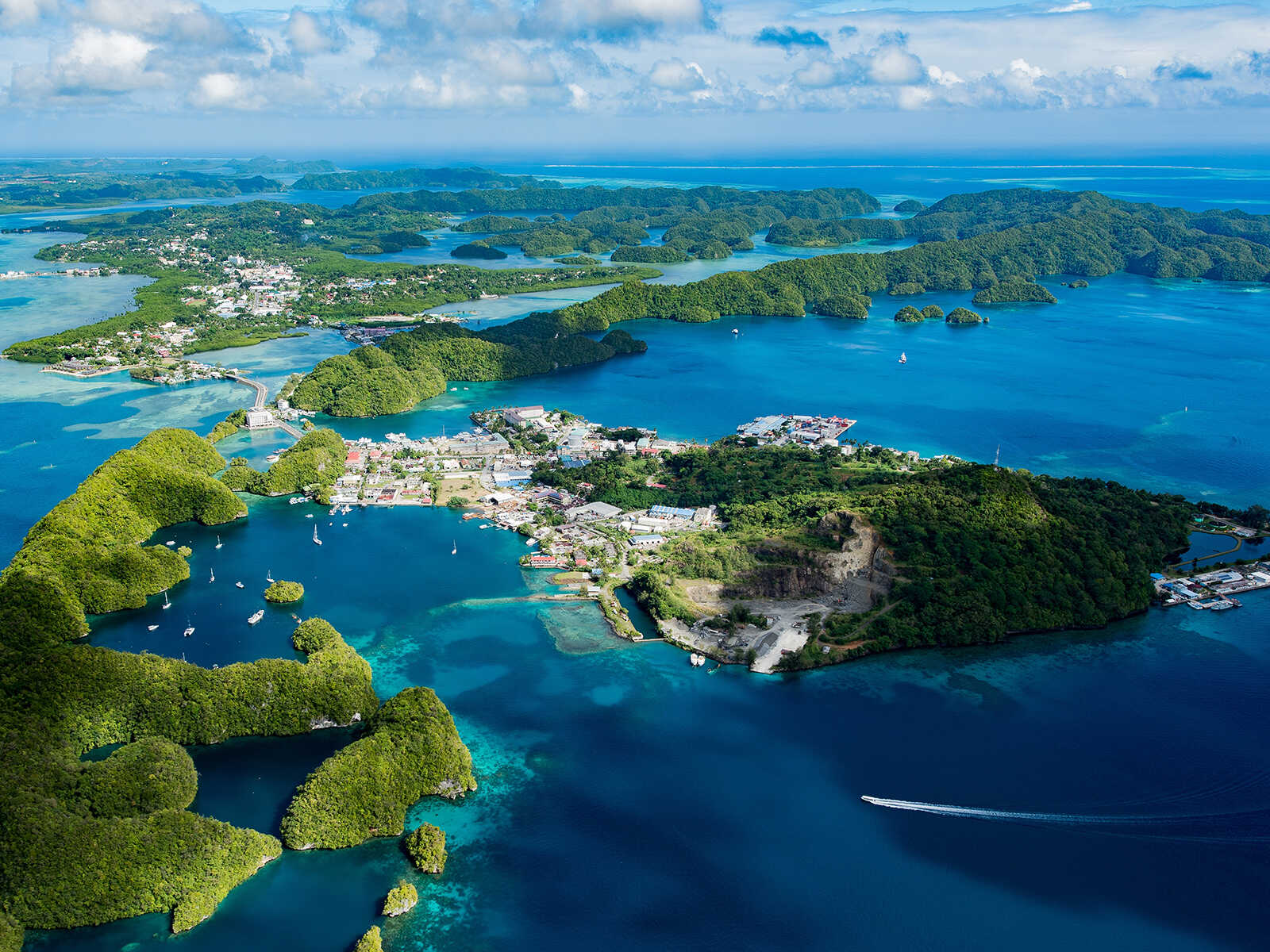
Palau's Rich History and Cultural Heritage: An Overview
Nestled in the western Pacific, Palau is a nation renowned not only for its pristine marine ecosystems but also for a deep and complex history spanning thousands of years. Its cultural heritage, shaped by ancient migrations, resilient traditions, and various colonial influences, offers a fascinating journey into the heart of Micronesia.
A Legacy Forged in Time: Early Settlements and Migrations
The story of Palau begins over 4,000 years ago with the arrival of seafaring migrants, likely from Southeast Asia and parts of Oceania. These intrepid Austronesians navigated vast expanses of ocean, bringing with them advanced knowledge of navigation, agriculture, and social organization. Archaeological evidence, including pottery shards, ancient settlement sites, and oral traditions, paints a picture of a sophisticated society that thrived amidst the archipelago's lush islands.
Early Palauan society was characterized by its intricate clan systems and strong connections to the land and sea. These communities developed sustainable practices for fishing, farming, and managing their resources, allowing them to flourish for millennia before external contact.
Echoes of Ancestors: Traditional Palauan Society
Palau's traditional social structure was highly organized and deeply rooted in ancestral customs, many of which persist today. Understanding these foundational elements is key to appreciating Palauan identity.
Matrilineal System and Clan Structure
Central to Palauan society is its matrilineal system, where lineage, land ownership, and titles are passed down through the mother's side. Clans (kebliil) form the bedrock of community life, each with specific responsibilities and status. Women hold significant power and influence, particularly in matters of property and family decisions.
The matrilineal system in Palau is not merely a historical relic but a living tradition that continues to shape family dynamics, land ownership, and the selection of traditional leaders. It underscores the profound respect and influence accorded to women within Palauan culture.
Chiefs and Community Governance
Traditional governance revolved around a hierarchy of chiefs (rubak) who presided over villages (beluu) and broader confederations. Decision-making was often communal, taking place in elaborately carved meeting houses known asbai. These structures, often adorned with intricate storyboards depicting myths and historical events, served as centers for political, social, and spiritual life.
Ancient Beliefs and Spiritual Practices
Before the arrival of Christianity, Palauan spirituality was animistic, centered on a pantheon of gods, spirits (blai), and ancestral veneration. Nature played a crucial role, with spirits believed to inhabit trees, rocks, and specific natural sites. Storytelling, chants, and rituals were vital for passing down knowledge, history, and moral lessons. Testaments to these ancient beliefs can still be seen in sites like the Stone Monoliths in Babeldaob, enigmatic structures whose origins and purpose continue to intrigue.
Waves of Influence: Colonial Eras
Like many Pacific nations, Palau experienced successive waves of foreign influence, each leaving an indelible mark on its trajectory.
Spanish Discovery and Nominal Claim (16th-19th Century)
The first documented European sighting of Palau was in 1543 by Spanish explorer Ruy López de Villalobos. Although Spain claimed the islands, their presence remained largely nominal for centuries. Contact was sporadic, primarily through missionaries and occasional traders, with little direct impact on Palauan society until the late 19th century.
German Administration (Late 19th - Early 20th Century)
In 1899, Spain sold Palau to Germany. The German administration focused on economic exploitation, particularly phosphate mining, and rudimentary infrastructure development. The dredging of the German Channel, for instance, was initiated to facilitate the transport of phosphate and other goods, forever altering the seascape for navigation.
Japanese Mandate (Early 20th Century)
Following Germany's defeat in World War I, Japan was granted a League of Nations mandate over Palau in 1919. This period, lasting until the end of World War II, brought the most profound changes. Japan invested heavily in infrastructure, developed a significant fishing and agricultural industry, and established a robust administrative presence.Koror Island rapidly transformed into a bustling administrative and economic hub, attracting Japanese settlers and profoundly impacting Palauan society. Japanese cultural influence, including language and education, was pervasive, though Palauan traditions continued to persist.
World War II and US Trust Territory (Mid-20th Century)
Palau became a critical strategic location during World War II, leading to intense battles, most notably the Battle of Peleliu. The war devastated much of Palau's infrastructure and population. After the war, Palau became part of the U.S.-administered Trust Territory of the Pacific Islands. This period saw the introduction of American educational systems, democratic governance models, and modern infrastructure, setting the stage for self-determination.
The Path to Sovereignty: A Nation Reborn
After decades as a trust territory, Palau began its journey towards self-governance. In 1994, after numerous referendums and negotiations, Palau achieved full independence, entering into a Compact of Free Association (COFA) with the United States. This milestone marked the culmination of a long struggle for self-determination and the establishment of a sovereign nation dedicated to preserving its unique heritage while embracing the future.
Cultural Expressions Today: Living Heritage
Palauan culture is a vibrant tapestry woven from ancient customs and contemporary influences, proudly showcased in daily life and special occasions.
Art and Craftsmanship
Palauan artistry is renowned, particularly its intricate storyboards (dilukai), which visually narrate myths, legends, and historical events. These carved wooden panels, often depicting scenes from traditional life, are a distinctive form of Palauan expression. Weaving, carving of traditional tools, and shell craft also continue to thrive, passed down through generations.
Music and Dance
Traditional Palauan music features rhythmic chants and dances that tell stories of love, war, and everyday life. While modern music has gained popularity, efforts are made to preserve these ancient forms through community performances and cultural events.
Festivals and Celebrations
Palauans celebrate both national holidays and traditional festivals that reflect their rich heritage. These events often include traditional feasts, dances, and ceremonies, offering visitors a glimpse into the vibrant community spirit.
Language (Palauan)
The Palauan language (tekoi ra Belau) is a source of immense pride and a cornerstone of national identity. While English is widely spoken, particularly in urban areas like Koror Island, significant efforts are made to preserve and promote the use of the Palauan language in schools and daily life.
Exploring Palau's Cultural Sites
For visitors keen to delve deeper into Palau's history and culture, several sites offer rich insights:
- The Chelbacheb(Rock Islands Southern Lagoon), a UNESCO World Heritage site, is not only a natural wonder but also holds significant archaeological evidence of early Palauan settlements and traditional resource management.
- Several museums and cultural centers, particularly on Koror Island, showcase artifacts, storyboards, and exhibits detailing Palauan history and traditions.
- The Stone Monoliths in Babeldaob provide a tangible link to Palau's ancient past, inviting contemplation of their mysterious origins.
- For a glimpse into traditional Palauan village life and pristine natural beauty, a visit to Kayangel Island offers a unique cultural immersion.
- While often celebrated for its natural beauty, sites like the Ngardmau Waterfalls are also intertwined with local legends and traditional uses of the land.
Palau's rich history and cultural heritage are not confined to museums or ancient ruins; they are a living, breathing part of the nation's identity. From its ancient matrilineal systems to its vibrant artistic expressions, Palau offers a profound and moving narrative of resilience, adaptation, and an enduring connection to its ancestral roots.