
Palau's Ancient Stone Monoliths: History and Mystery
Deep within the lush, emerald landscapes of Palau lie enigmatic stone monoliths, silent sentinels of a forgotten past. These ancient structures offer a captivating glimpse into the ingenuity, beliefs, and complex societies of Palau's earliest inhabitants, long before modern contact.
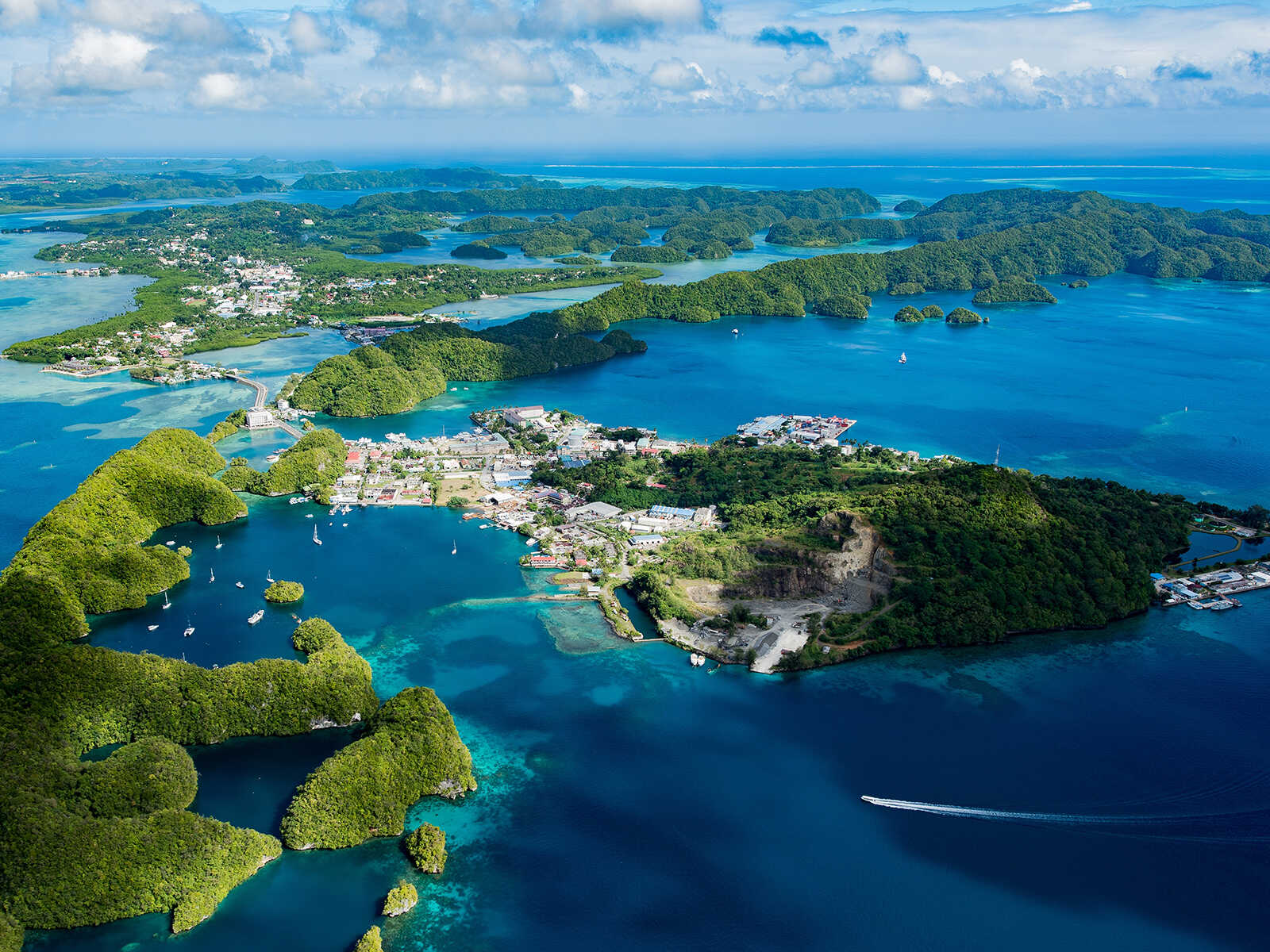
For centuries, the Pacific island nation of Palau has captivated travelers with its pristine marine life and stunning Rock Islands. Yet, beyond its turquoise lagoons and vibrant coral reefs, a different kind of marvel awaits discovery on its largest island, Babeldaob. Here, amidst dense jungle and rolling hills, lie the remnants of an advanced civilization: a series of colossal stone monoliths, platforms, and pathways that speak volumes of an ancient culture's architectural prowess and social complexity.
Echoes of an Ancient Civilization
The history of Palau is rich with oral traditions and archaeological discoveries. The stone monoliths, known locally asodesongel(house platforms) orbais(paths/villages), are the most tangible evidence of the sophisticated pre-contact Palauan societies. While the exact dates vary by site, many of these structures are believed to have been constructed between 100 AD and 1600 AD, predating European arrival by centuries.
These weren't just random stones; they formed the foundations of villages, meeting houses, ceremonial sites, and even defensive fortifications. The sheer scale and number of these structures across Babeldaob suggest a highly organized society capable of monumental construction projects, involving significant labor and sophisticated engineering techniques.
Purpose and Function
The purpose of the monoliths varied significantly. Many served as foundations for traditional Palauan longhouses, known asbai, which were central to community life. These elevated stone platforms protected dwellings from dampness and pests, providing a sturdy base for the intricate wooden structures above. Other monoliths formed part of extensive stone pathways, connecting villages and agricultural areas across the rugged terrain of Babeldaob.
Beyond practical applications, many sites held deep cultural and spiritual significance. Some monoliths are adorned with carved faces, believed to represent ancestral spirits or important figures, acting as guardians or focal points for community rituals. These carvings often feature distinctive facial expressions, adding to the mystique of these ancient places.
Fun Fact:The largest island in Palau, Babeldaob, is home to most of the significant stone monolith sites. Its interior remains largely undeveloped, preserving these ancient wonders for exploration.
Key Monolith Sites Across Babeldaob
While stone platforms and pathways are found in many states across Babeldaob, some areas are particularly renowned for their impressive monoliths. Exploring these sites offers a profound connection to Palau's past.
- Ngarchelong: Badrulchau
Perhaps the most famous and accessible site, Badrulchau in Ngarchelong state features a row of over 30 basalt monoliths, many with carved faces. Local legends attribute their creation to the gods, who allegedly stood them upright. This site offers panoramic views of the northern coast and is a powerful testament to ancient Palauan artistry. - Ngardmau: Ancient Terraces
In the state of Ngardmau, visitors can discover not only impressive stone foundations but also ancient terracing systems that hint at sophisticated agricultural practices. Combining a visit here with the Ngardmau Waterfalls offers a full day of natural and historical exploration. - Melekeok: Stone Pathways and Platforms
Melekeok, now home to Palau's capital, Ngerulmud, also boasts significant ancient stone structures. These include extensive stone pathways and platforms that once formed the heart of powerful chiefdoms. - Ngatpang: Fortifications
Some sites in Ngatpang state showcase defensive structures, including formidable stone walls and raised platforms that served as lookouts or strategic fortifications against rival villages.
While Koror Island and Malakal Island serve as modern hubs, the true depth of Palau's ancient history lies largely on Babeldaob.
The Enduring Mystery: How Were They Built?
The most compelling mystery surrounding Palau's stone monoliths ishowthey were constructed. Many of the stones weigh several tons, and some are found far from their geological source. This raises questions about the methods used to quarry, transport, and erect these massive stones without modern machinery.
Archaeologists and historians hypothesize that ancient Palauans employed a combination of ingenious techniques:
- Leverage and Rollers:Using wooden levers, ropes made from local fibers, and log rollers to move heavy stones across land.
- Sledges and Ramps:Constructing temporary ramps of earth and timber to slide stones into position.
- Collective Labor:The monumental scale of these projects would have required significant community cooperation and a highly organized workforce, likely directed by powerful chiefs.
Oral traditions often speak of supernatural assistance or the work of giants, underscoring the awe these achievements inspired even among later generations of Palauans. This blend of practical ingenuity and legendary tales only deepens the allure of these ancient sites.
Visiting Palau's Ancient Monoliths: Practical Tips
Exploring the stone monoliths is an unforgettable experience, offering a unique perspective on Palau beyond its famous underwater attractions like the Jellyfish Lake or the Milky Way.
Planning Your Visit:
- Hire a Local Guide:Many sites are remote and can be challenging to find. A knowledgeable local guide is essential, not only for navigation but also for sharing the rich oral histories and cultural significance of each site. They can also arrange necessary permits.
- Dress Appropriately:Expect jungle treks. Wear sturdy walking shoes, long pants, and insect repellent. Bring plenty of water.
- Respect the Sites:These are sacred cultural heritage sites. Do not touch or disturb the stones, and always follow your guide's instructions. Take nothing but photos, leave nothing but footprints.
- Combine with Other Attractions:Since most sites are on Babeldaob, consider combining your historical tour with other land-based activities, such as visiting Ngardmau Waterfalls or exploring the Rock Islands of Chelbacheb, which have their own unique history.
- Time of Year:The dry season (November to April) generally offers more comfortable hiking conditions, though Palau is a year-round destination.
The Palauan government and various organizations are dedicated to preserving these invaluable sites. Efforts include mapping, archaeological research, and developing sustainable tourism practices to ensure these ancient wonders can be appreciated by future generations.
Conclusion: A Journey Through Time
Palau's ancient stone monoliths are more than just old rocks; they are windows into the soul of a civilization that thrived for centuries, shaping its environment and culture with remarkable skill and vision. A visit to these sites is a journey through time, offering profound insights into the ingenuity and spiritual depth of the Palauan people.
As you wander among these silent giants, you can almost hear the echoes of ancient chants and the bustle of a long-vanished community. They stand as a powerful reminder that Palau's treasures extend far beyond its vibrant reefs, inviting curious travelers to uncover the captivating history and enduring mysteries of its land.