
Palau Safety Tips: What Travelers Need to Know
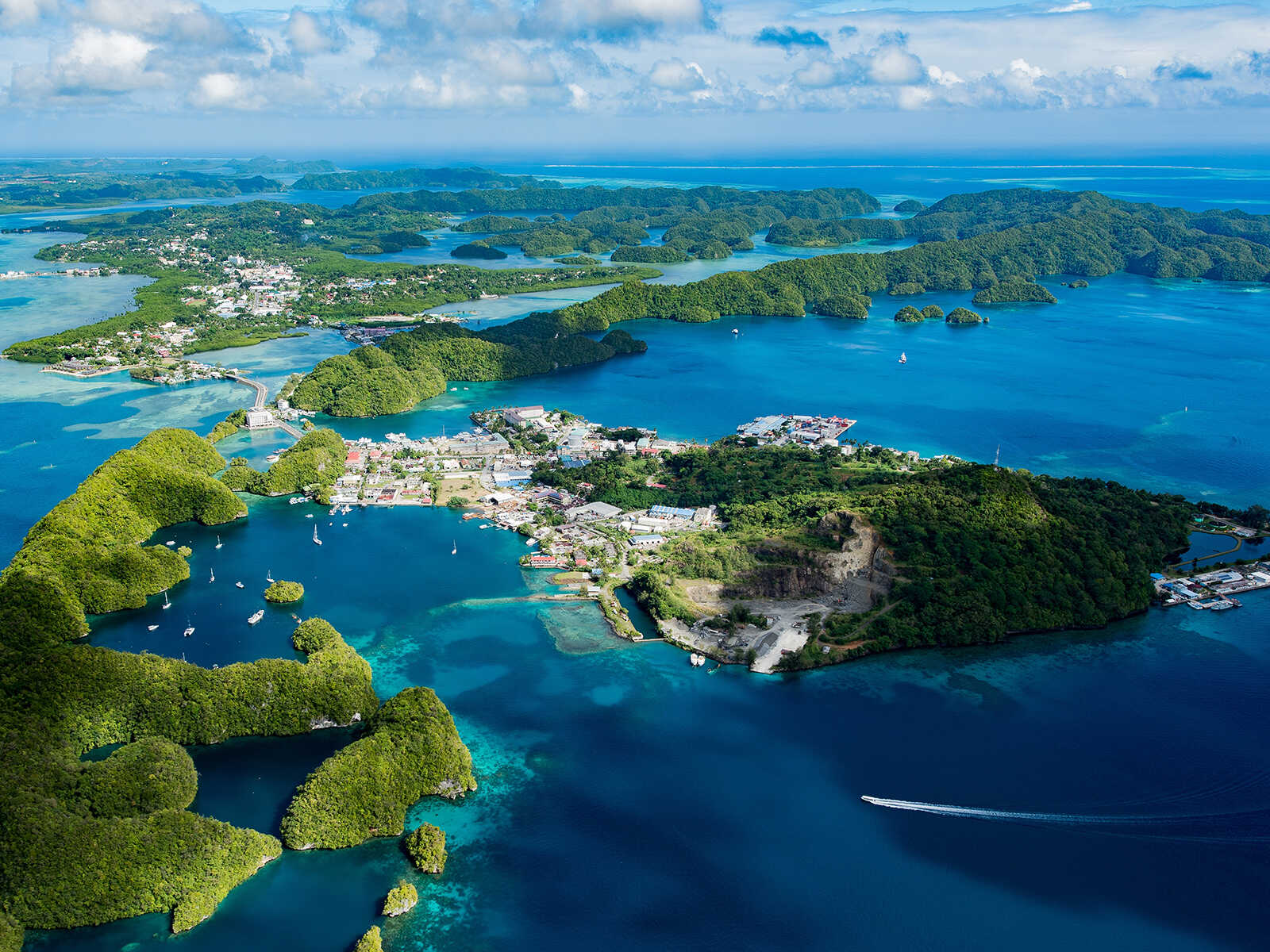
Palau, a pristine archipelago in Micronesia, offers an unparalleled escape into a world of vibrant marine life and untouched natural beauty. While renowned for its stunning landscapes and rich culture, understanding essential safety tips is crucial for an enjoyable and worry-free journey. This guide will equip you with the practical knowledge to navigate Palau safely, respecting its environment and local customs.
General Safety & Local Customs
Palau boasts a remarkably low crime rate, making it one of the safest destinations for travelers. However, like anywhere in the world, exercising basic precautions is always wise. Be aware of your surroundings, secure your valuables, and avoid walking alone in poorly lit areas at night, especially in urban centers like Koror Island.
Respecting local customs is paramount in Palau. The culture is conservative, and modesty is appreciated, particularly when visiting villages or religious sites. A simple "Alii" (hello) goes a long way in greeting locals. Always ask for permission before taking photos of people. The "Palau Pledge," a mandatory visa requirement, underscores the nation's commitment to environmental protection and cultural preservation, reminding visitors to tread lightly and respectfully.
Emergency Contact:For any emergencies in Palau, dial911for police, fire, or medical assistance. The main hospital is located in Koror.
Health & Medical Preparedness
While Palau is a healthy destination, medical facilities are limited, primarily centered on Koror Island. For serious medical conditions or emergencies, evacuation to a larger medical center (e.g., Guam or the Philippines) may be necessary. Therefore, comprehensive travel insurance that covers medical emergencies and potential evacuation is highly recommended.
- Vaccinations:Consult your doctor about recommended vaccinations, such as Tetanus, Hepatitis A & B, and Typhoid.
- Sun Protection:The equatorial sun is intense. Use high-SPF, reef-safe sunscreen, wear wide-brimmed hats, sunglasses, and protective clothing (rash guards) to prevent sunburn and heatstroke.
- Hydration:Drink plenty of bottled or filtered water to stay hydrated in the tropical climate.
- Mosquitoes:While not a major concern for widespread disease, mosquitoes are present. Use insect repellent, especially during dawn and dusk, to prevent bites.
- Food & Water:Tap water is generally safe to drink in Koror, but bottled water is widely available and recommended for peace of mind, especially outside the main town. Food hygiene standards are generally good.
Water Safety & Marine Life
Palau's main draw is its spectacular underwater world, but responsible and safe water activities are essential.
Diving & Snorkeling
Always choose reputable dive and snorkel operators who prioritize safety. Ensure your equipment is in good condition and that you're comfortable with your abilities. Strong currents can be present in certain areas, such as the famous German Channel, so always listen to your guide and stay with your buddy.
- Reef Etiquette:Never touch, stand on, or remove coral or marine life. This protects the fragile ecosystem and prevents potential injury from venomous creatures.
- Buoyancy Control:Good buoyancy is crucial for divers to avoid damaging the reefs.
- Buddy System:Always dive or snorkel with a buddy.
Marine Life Encounters
Palau is home to an incredible array of marine life, most of which is harmless if respected. However, some creatures warrant caution:
- Sharks:Reef sharks are common but generally not aggressive towards humans. Maintain a respectful distance and avoid provoking them.
- Jellyfish:While the non-stinging jellyfish of Jellyfish Lake are a unique experience, other stinging jellyfish species can be found in the open ocean. Wear a wetsuit or rash guard for protection.
- Stonefish & Scorpionfish:These masters of camouflage are highly venomous. Avoid touching the seafloor, especially in shallow areas. Wear reef shoes if walking in shallow water.
- Cone Snails & Sea Snakes:Both possess potent venom. Admire them from a distance; never pick them up.
Boating & Kayaking
When chartering boats or kayaking through the stunning Rock Islands, ensure your vessel has proper safety equipment, including life jackets. Be aware of weather conditions, which can change rapidly in the tropics. Always inform someone of your itinerary, especially if venturing to more remote areas like Kayangel Island.
Land-Based Exploration Safety
Beyond the ocean, Palau offers beautiful land excursions, including lush jungles and historical sites.
- Hiking:When exploring areas like the Ngardmau Waterfalls or the Stone Monoliths, stick to marked trails and consider hiring a local guide, especially for less-traveled paths. Wear appropriate footwear, bring plenty of water, and protect yourself from insects.
- Driving:Roads in Koror and Malakal Island are generally paved, but conditions can vary elsewhere. Drive cautiously, especially during heavy rain, and be mindful of pedestrians and local drivers. Renting a 4x4 vehicle might be advisable for exploring more rugged terrain.
- Unexploded Ordnance (UXO):Due to its history, particularly from WWII, some remote areas, especially jungles and shallow reefs, may still contain unexploded ordnance. Always stay on marked paths and avoid venturing into restricted or unsearched areas.
Environmental Responsibility & Sustainability
Palau is a global leader in marine conservation. As a visitor, your actions have a direct impact. The Palau Pledge is a testament to this commitment, and travelers are expected to adhere to its principles.
- Reef-Safe Sunscreen:Only use sunscreens that are free of oxybenzone and octinoxate, as these chemicals are harmful to coral reefs.
- Waste Management:Minimize your waste, avoid single-use plastics, and dispose of trash properly. Pack out everything you pack in.
- No Feeding Wildlife:Do not feed fish or other marine animals. This disrupts their natural behavior and can harm their health.
- Sustainable Tours:Choose tour operators who demonstrate a commitment to environmental protection and responsible tourism practices.
Even unique spots like the Milky Way lagoon, famous for its beneficial mud, require respectful interaction. Follow your guide's instructions to ensure its preservation for future generations.
Before You Go: Essential Preparations
- Travel Insurance:As mentioned, this is non-negotiable. Ensure it covers medical emergencies, evacuation, and trip cancellations.
- Documents:Check passport validity (at least 6 months beyond your planned departure) and any visa requirements. Keep copies of important documents separate from the originals.
- Packing Essentials:Lightweight, quick-drying clothing, reef shoes, insect repellent, a first-aid kit, and essential medications.
- Communication:Consider getting a local SIM card upon arrival or activating international roaming for your phone to ensure connectivity.
Palau offers an extraordinary journey into one of the world's most beautiful and well-preserved natural paradises. By following these practical safety tips and embracing responsible travel practices, you can ensure a safe, respectful, and unforgettable experience in this incredible island nation.