
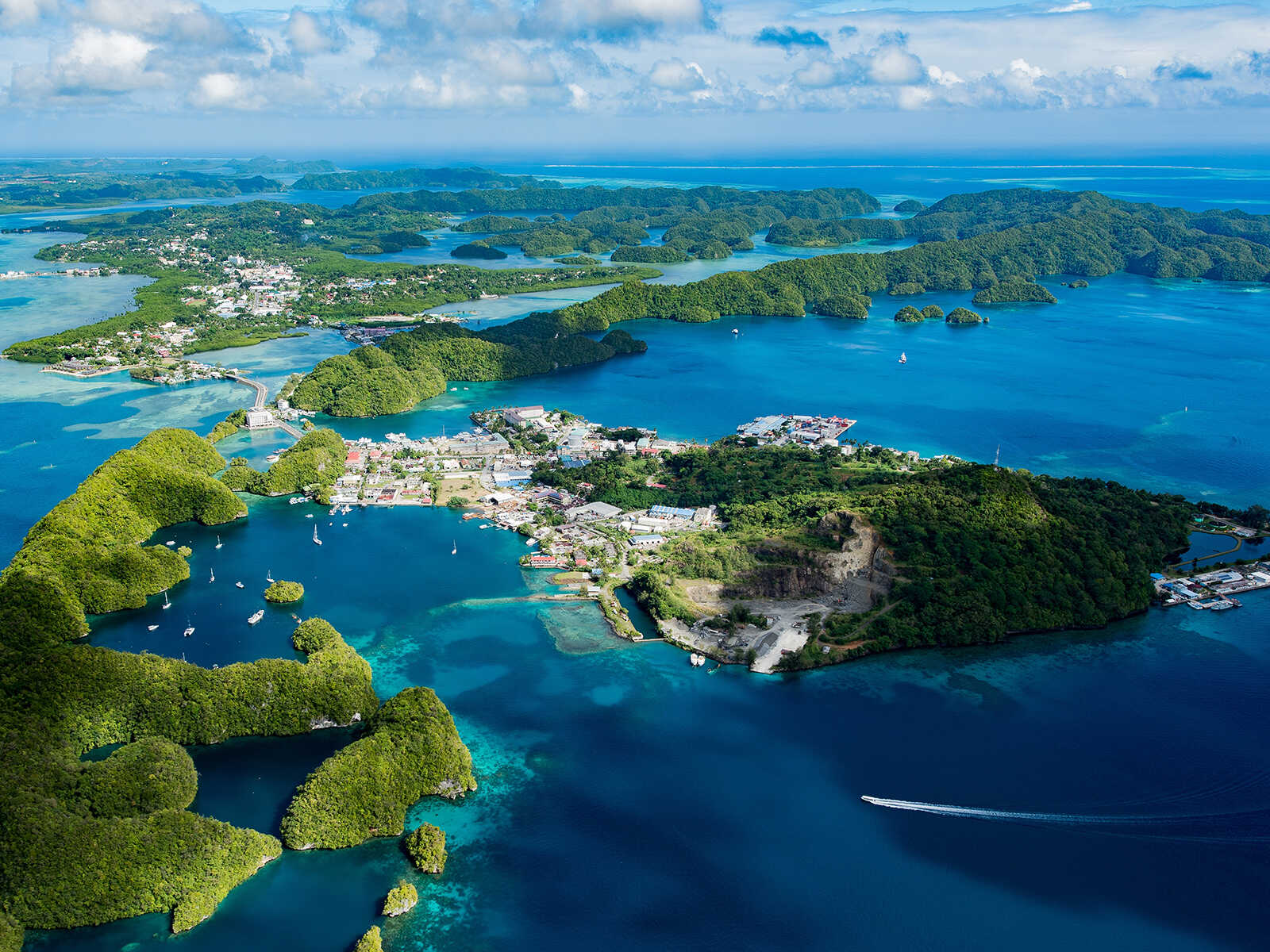
Palau Marine Conservation Efforts: Protecting the Underwater World
Palau, an archipelago of over 500 islands in Micronesia, stands as a global beacon for marine conservation. Renowned for its unparalleled biodiversity and pristine coral reefs, this island nation has taken groundbreaking steps to safeguard its precious underwater ecosystems. Discover how Palau is leading the charge in protecting the ocean and what makes its conservation model so effective.
A Global Leader in Ocean Protection
Palau's commitment to marine conservation is not just a policy; it's a profound cultural value deeply rooted in the traditional concept ofbul– a moratorium on fishing to allow resources to recover. This ancient wisdom has evolved into modern, innovative strategies that protect approximately 80% of its Exclusive Economic Zone (EEZ), making it one of the largest fully protected marine areas in the world. This dedication ensures that Palau's magnificent marine life, from vibrant coral gardens to majestic pelagic species, thrives for generations to come.
The Palau National Marine Sanctuary (PNMS): A Monumental Commitment
In 2015, Palau established the Palau National Marine Sanctuary (PNMS), a monumental initiative that designated 500,000 square kilometers – an area roughly the size of France – as a protected marine zone. The sanctuary is divided into two primary areas: a large no-take marine reserve covering 80% of the EEZ, where all fishing and extractive activities are prohibited, and a 20% fishing zone designed to support Palau's domestic fishing fleet.
The PNMS serves multiple critical purposes:
- Biodiversity Protection:It provides a safe haven for countless marine species, including sharks, tuna, turtles, and manta rays, allowing populations to recover and flourish.
- Food Security:The sanctuary acts as a "fish bank," with spillover effects benefiting local fisheries in the surrounding waters.
- Tourism Sustainability:By preserving its pristine marine environment, Palau maintains its status as a premier destination for diving and snorkeling, attracting visitors who contribute to the local economy.
- Climate Change Resilience:Healthy coral reefs are more resilient to the impacts of climate change, such as ocean acidification and rising sea temperatures.
"The Palau National Marine Sanctuary is more than just a protected area; it's a testament to our belief that a healthy ocean is vital for our survival, culture, and economy. It's a gift to the world and to future generations."
Pioneering Conservation Strategies
Beyond the PNMS, Palau has implemented several other pioneering conservation efforts:
The UNESCO Rock Islands Southern Lagoon
The Chelbacheb(Rock Islands Southern Lagoon) is a UNESCO World Heritage site, recognized for its exceptional natural beauty and unique ecosystems. This area comprises numerous limestone islands, vibrant coral reefs, and marine lakes, including the famous Jellyfish Lake. Strict regulations are in place to preserve its delicate balance, protecting everything from its endemic marine life to its ancient rock formations.
Palau's Shark Sanctuary
In 2009, Palau became the world's first country to establish a national shark sanctuary, banning all commercial shark fishing within its EEZ. This bold move underscored the ecological and economic importance of sharks, recognizing their crucial role as apex predators in maintaining healthy marine ecosystems. The sanctuary has since served as an inspiration for other nations to follow suit, leading to a global movement for shark protection.
Protecting Unique Ecosystems: The Case of Jellyfish Lake
Jellyfish Lake, home to millions of golden jellyfish that have lost their stinging capabilities, is a truly unique natural wonder. Due to environmental factors, the lake was temporarily closed to visitors to allow its delicate ecosystem to recover. This decision highlighted Palau's commitment to prioritizing ecological health over immediate tourism revenue, demonstrating a deep understanding of its fragile natural heritage. Strict guidelines are now in place for visitors to ensure minimal impact on this extraordinary environment.
Sustainable Tourism: Your Role in Conservation
Palau understands that responsible tourism is integral to its conservation success. Visitors play a crucial role in supporting these efforts.
The Palau Pledge
Upon arrival, all visitors to Palau are required to sign the Palau Pledge, an immigration policy stamped into their passports. This pledge is a promise to respect Palau's environment and culture, committing to act in an ecologically and culturally responsible way. It's a powerful and unique initiative that educates visitors about their impact and encourages mindful travel.
Responsible Visitor Practices
As a visitor, you can contribute significantly to Palau's conservation efforts by:
- Choosing Eco-Friendly Operators:Select tour operators and accommodations that demonstrate a clear commitment to sustainability and conservation.
- Respecting Marine Life:Do not touch, feed, or harass any marine animals. Maintain a respectful distance and avoid standing on corals.
- Practicing "Leave No Trace":Pack out everything you pack in. Dispose of waste properly, and avoid single-use plastics.
- Using Reef-Safe Sunscreen:Chemicals in many sunscreens can harm coral reefs. Opt for mineral-based sunscreens that contain zinc oxide or titanium dioxide.
- Adhering to Regulations:Follow all local guidelines, especially concerning protected areas, permits, and visitor access. Permit fees often directly support conservation initiatives.
The Impact and Future of Palau's Efforts
Palau's unwavering commitment to marine conservation has yielded significant positive results. Fish populations are rebounding, biodiversity is thriving, and the nation continues to be a living laboratory for marine science. Its efforts have garnered international acclaim and inspired conservation movements worldwide, proving that a small island nation can make a monumental difference on a global scale.
The future of Palau's conservation efforts involves continued monitoring, research, and adaptation to new environmental challenges. Educating both locals and visitors remains paramount, ensuring that the legacy ofbuland the principles of the Palau Pledge endure.
Experiencing Palau's Protected Underwater World
Exploring Palau's waters is an awe-inspiring experience, made even more profound by the knowledge that you are witnessing the direct benefits of robust conservation. From the vibrant reefs near Koror Island, the main hub, to the remote northern atolls, every dive and snorkel reveals a thriving ecosystem.
- At the famous German Channel, divers often encounter majestic manta rays benefiting from the sanctuary's protection.
- Dive shops and tour operators based on Malakal Island can guide you to these incredible sites while upholding sustainable practices.
- Even unique spots like the Milky Way, known for its natural mud baths, are part of the broader protected lagoon system, showcasing the diverse beauty under Palau's care.
- For those seeking truly pristine and remote beauty, a visit to Kayangel Island, Palau's northernmost state, offers a glimpse into an untouched marine paradise, meticulously protected by local communities.
Palau exemplifies how a nation can harmonize human activity with environmental stewardship, offering a powerful blueprint for protecting our planet's most vital resource: the ocean. Visiting Palau is not just a vacation; it's an opportunity to witness and support a living legacy of marine conservation.